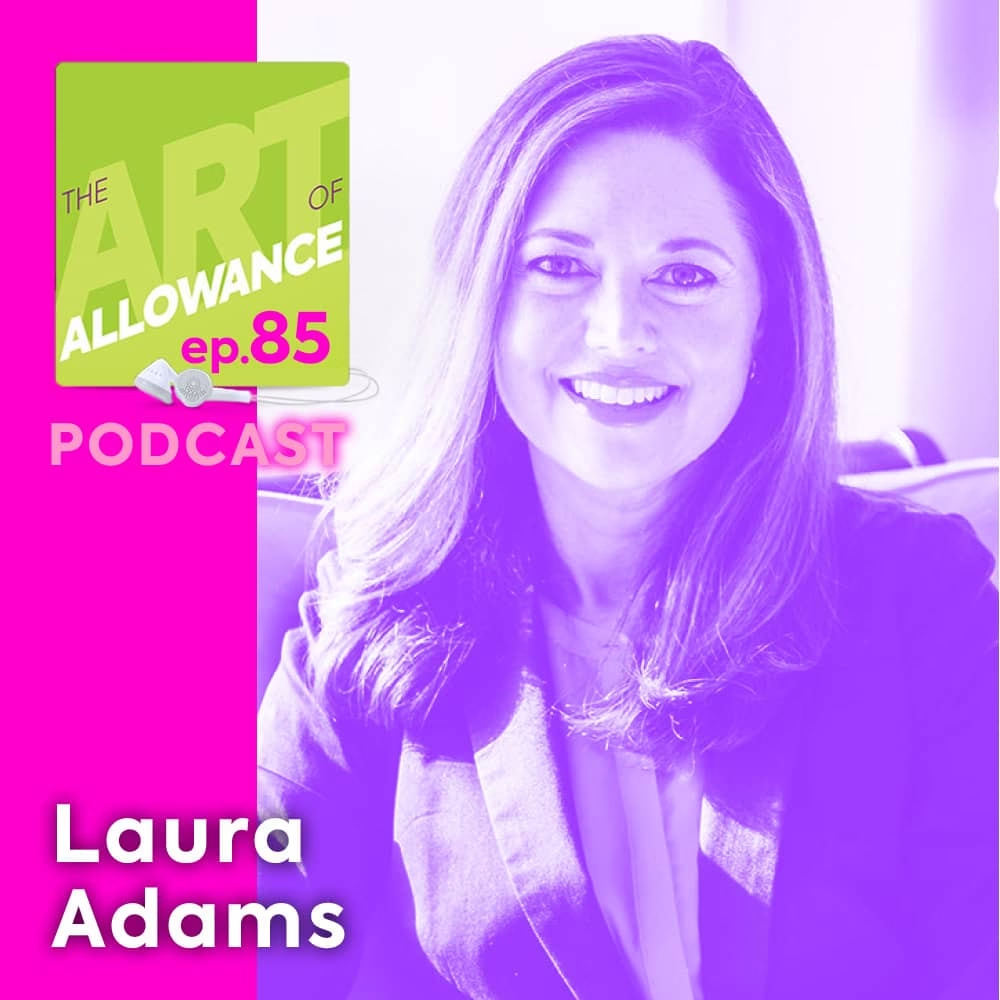
Money-Smart Mondaywith John Lanza Hello, friends, If your 15‑year‑old walked up to you today and said, “I want to start investing,” would you feel confident … or slightly panicked? Most thoughtful parents land somewhere in the middle. We want our kids to build wealth. We don’t want them gambling. We know time is their superpower. We’re just not always sure what the first right step is. In my latest episode of The Art of Allowance Podcast, I sit down with Laura Adams (The “Money Girl”) to chart a practical and surprisingly hopeful course for a child’s investing journey. Not hype. Not hustle. Not crypto panic. A map with actual road signs. Because here’s the truth: If we don’t give our kids a thoughtful path into investing, TikTok will happily provide a reckless one—complete with rocket emojis and zero risk management.
Below are three ideas from my conversation with Laura that most parents haven’t fully considered. Plus I’ve added a section called A Leader’s Perspective that forward‑thinking credit union leaders can leverage before someone louder and less thoughtful does. The Truth About “Trump” AccountsYou may have heard about the new “Trump” Accounts—seed money from the government with long-term growth potential. This proposition sounds a bit like the investing equivalent of finding a $20 bill in your winter coat. And in many ways, it’s great. Here are the basics Laura shares in our conversation (▶️ 26:09). Eligible children born between 2025 and 2028 receive a one-time $1,000 government seed contribution. Parents (and even employers) can contribute up to $5,000 per year, with employers allowed to put in up to $2,500 of that amount. Contributions are after-tax, and the money grows tax-deferred. Plus the account converts into a traditional IRA when a child turns 18, with withdrawals taxed as ordinary income later in life. In short, think “retirement starter kit,” not education account. But here’s the part that hasn’t been widely discussed: Depending on your state, the tax treatment may not perfectly mirror the federal structure. Translation? The fine print may matter more than the headline. But this issue isn’t a reason to panic; it’s a reason to understand the full context. For families, the takeaway is simple:
While you don’t want to confuse these new accounts with a comprehensive plan for your kids, they’re a great start. A Leader’s Perspective: For credit union leaders, this is a positioning moment. Families are confused. The institution that calmly explains this opportunity—without hype or politics—earns trust. This isn’t a marketing campaign; it’s generational positioning. 529 Plans Without the AnxietyOne of the biggest psychological blockers to using 529 plans is over-saving anxiety. Parents worry: What if our kid doesn’t go to college? What if there’s money left over? What if we trigger some terrifying penalty letter? These fears are reasonable. No one wants to “outsmart” themselves into a corner. But the rules have evolved. Under certain conditions, as Laura explains (▶️ 15:59), unused 529 funds can now be rolled into a Roth IRA for the beneficiary. This option is neither unlimited nor immediate, and it comes with timelines and earned-income requirements. So you still need to pay attention. But this positioning reframes the 529 from “Education or else” to “Education first … retirement head start if not.” That’s a completely different emotional experience—and investing is as much emotional architecture as it is math. When parents understand they aren’t painting themselves into a corner, they’re far more likely to start. And starting early compounds. A Leader’s Perspective: For credit union CEOs and senior leaders, this is where the advisory edge lives. Not in selling accounts, but in reframing fear and simplifying complexity without dumbing it down. The institutions that win the next decade will not be the ones with the most product features; they’ll be the ones who provide clarity and remove hesitation. The Invisible Investing ErrorThis situation is almost too simple—which is exactly why it trips people up. Many parents open an IRA, a 529 or a brokerage account and then stop. They contribute money. They feel responsible. They may even celebrate. But they never actually invest. The funds sit in cash or a settlement account, earning very little. It feels like progress. It looks like progress. It is not progress. Laura and I both emphasize this reality in our discussion (▶️ 31:44). Contributing is step one. Selecting the investment is step two. And step two is where compounding does its quiet, boring, magical work. So if you do one thing this week, make sure it’s this:
And if you have newly launched young adults, talk to them about step two. It may be the easiest financial win you (or they) will ever get. No budgeting spreadsheet required. A Leader’s Perspective: For institutions, this is a massive service moment: proactive nudges, clear visual dashboards, simple “You’re invested / You’re not invested” indicators. People want guidance, and you want to be the trusted partner they turn to. A Word on Kids, Risk and RealityOne of my favorite parts of my conversation with Laura was our discussion about simulation and what Jason Zweig calls “mad money” (▶️ 41:18). If your teen is curious about meme stocks or crypto, banning the topic outright may not work (and may, in fact, make it seem more interesting). A smarter approach is to allocate a small, experimental slice of money—say, 10%—while putting the other 90% into diversified, wealth-building investments like a broad total stock market index fund (as podcast guest JL Collins recommends). When it comes to the “mad money,” reflect together on the emotional swings. Let your kids feel the rush. Let them feel the drop. Let them connect the feeling to the lesson. Money is as emotional as it is mathematical. If we don’t let kids feel small losses early, they may feel catastrophic ones later—when the dollar amounts are much larger. The Big IdeaTime matters more than talent. Consistency matters more than cleverness. Simplicity beats sophistication. Nearly every seasoned investor I’ve interviewed—from Laura Adams to JL Collins—has taken the scenic route through complexity and arrived at the same conclusion: Keep it simple. Our kids have something in spades that many of us do not—time. If we can help them start early (even imperfectly), we’ve given them an advantage no market swing can erase. A Leader’s Perspective: If credit unions lean into being the calm, local, educational guides in this journey, they won’t just grow deposits. They’ll grow confident families. And confident families become lifelong members. Keep it simple. Keep it experiential. Keep empowering. And don’t forget to enjoy the journey. John,
📗 Get The Art of Allowance (my book for parents) P.S. Please consult with a financial or investment professional before making any decisions that might affect your financial well-being. Forwarded this email? Sign up here. |