“We [credit unions] all want the same thing. We want to start early and we want to have that consistent message and then we want to take that to that parent and guardian and help them out because we understand parent and guardians are really, really overwhelmed today with everything going on. And so can we help support what they’re trying to provide, you know, for the youngsters under their care?”
— Steve Bugg
In this Art of Allowance Podcast episode, host John Lanza speaks with guest Steve Bugg about what it takes to build money-smart families and communities. Steve is the CEO of Great Lakes Credit Union, one of our partners engaging kids and empowering parents through The Money Mammals® powered by The Art of Allowance™. He and John discuss the role of technology in financial education, the challenges of connecting with schools and the future of credit unions in promoting financial literacy. Steve also shares how his approach to teaching financial responsibility has evolved from parenting to grandparenting, emphasizing the value of starting early and building strong money habits.
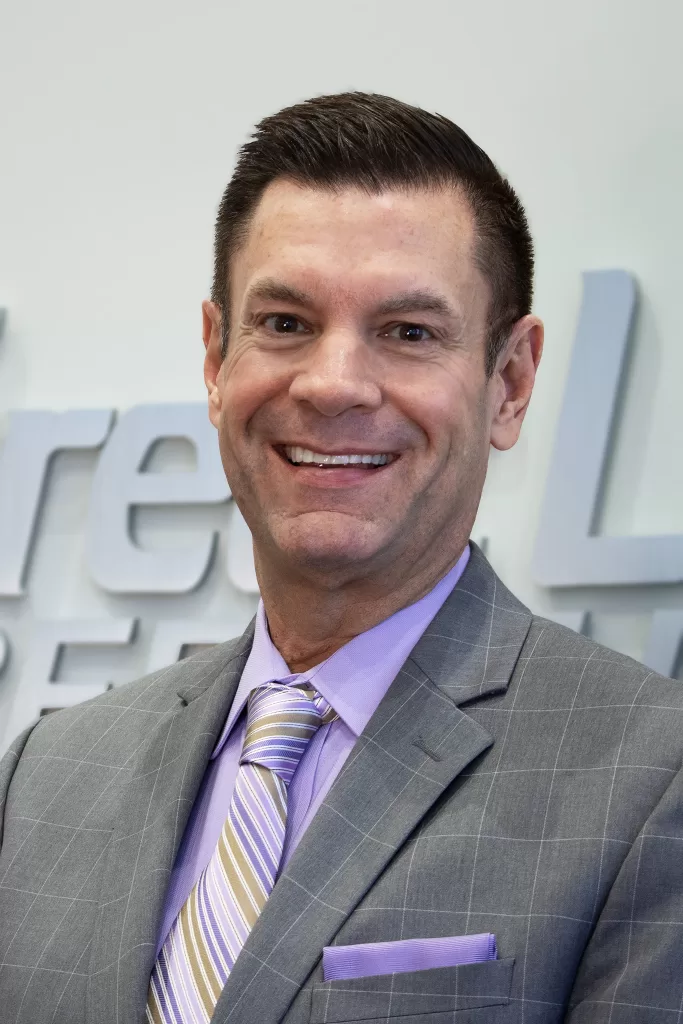
Steve Bugg is the President and CEO of Great Lakes Credit Union, which boasts over 100,000 members in Northern Illinois. After working in the banking and telecommunications industries, Steve joined the credit union movement 17 years ago. His dedication to serving underserved markets through financial literacy, housing counseling and community partnerships has led him to collaborate with numerous nonprofit and industry organizations, including the Lake County Community Foundation, Waukegan Public Library, Illinois Credit Union League Legislative Committee and National Credit Union Foundation Fundraising Committee. A University of Evansville graduate, Steve is a passionate advocate for improving the financial well-being of low- and moderate-income households.
Visit our YouTube channel for selected snippets from this and other podcast episodes.
Links (From the Show)
- Connecting with Great Lakes Credit Union
- Money-Smart Mentions
Show Notes (Find what’s most interesting to you!)
- How Steve contributes to the money-smart movement at Great Lakes Credit Union [2:56]
- Credit union youth programs are changing the way kids and parents think about money. [3:57]
- The Money Mammals and Adolescent$ programs amplify Great Lakes Credit Union’s strategy of mission-based work. [5:07]
- Steve outlines how his allowance approach evolved from a traditional piggy bank to an interactive iPad. [9:37]
- A bit on the Bite of Reality program [14:47]
- Great Lakes Credit Union’s philosophy of school outreach is not a commercial; rather, it is a value add. [17:23]
- Evolution of delivery: the role credit unions will play for parents and families in the future [22:19]
- The importance of encouraging not only money-smart knowledge but also behavior change [27:11]
- Overcoming the challenge of keeping financial counseling appointments [34:52]
- Accountability and physical connection are keys to successful financial counseling. [39:36]
- Dave Ramsey’s resources [42:42]
- Approaching money not as an end-all but as a value [43:46]
- Starting young on the journey to money empowerment [48:31]
- A piggy bank versus iPad redux [48:53]
- Steve’s plea for participation in 401(k) programs [49:44]
- Yes, the Golden Rule still applies! [51:06]
- Back to the financial basics [51:54]
- Steve invites you to keep the conversation going with him via email. [53:27]
Click here for the full transcript.
If you liked this episode …
Looking for more information on the status of financial literacy in the classroom? The CEO of the National Financial Educators Council, Vince Shorb, discusses the need for financial literacy programs in schools and the challenges of scaling these programs. Start streaming at 20:59, and then check out the Council for Economic Education’s “Survey of the States” to discover the specific financial education standards in your area.
Interested in the perspective of another credit union industry leader? Courtney Fulmer, the President and CEO of Central New York’s SECNY Federal Credit Union, outlines the opportunities credit unions have to offer not only financial wellness and but also psychological support to their members. Be sure to tune in at 24:18 for her illuminating thoughts on whether financial literacy can fail.
Searching for practical ways to implement the values-based spending that Steve describes? Family finance coach Andy Hill shares the changes he made to become a better money model for his children, especially in the area of sharing. Listen in at 25:33 as he describes how he and his wife leveled up their giving. Then stream this short for information on “The Big Give,” Andy’s concept to encourage his kids to donate more money to charity.
Please Subscribe
If you liked this episode, then please leave a review and subscribe to the show. The Art of Allowance Podcast is available on Apple Podcasts, Spotify, Podchaser and now Amazon Music. Subscribing is free, and it will help our team produce more enriching content for you to enjoy.

Full Transcript
This transcript is from The Art of Allowance Podcast, Episode 81, featuring host John Lanza and guest Steve Bugg.
00:00:00,099 [John Lanza]
Hello and welcome to episode 81 of The Art of Allowance podcast. I’m your host, John Lanza.
00:00:09,220 [Steve Bugg]
I think all parents, all guardians want their children to have a better life than perhaps what they had or have. And so by focusing on the youth early on
00:00:24,299 [Steve Bugg]
and building smart financial decision-making because you start early, you’re not necessarily breaking bad habits because these youth, if you start young enough, haven’t really developed perhaps those bad behaviors. So the key with the youth is if you start early, right, and make sure that you build upon that ongoing consistent message, utilizing those financial educational tools and resources to help them as they move through that life journey to make better informed decisions is critical. Most parents will recognize the fact that perhaps they themselves would have done better if they would have had those same opportunities when they were younger.
00:01:16,139 [John Lanza]
[upbeat music] In this episode of The Art of Allowance podcast, I speak with Steve Bugg about what it takes to build money smart families and communities. Steve is the CEO of Great Lakes Credit Union, one of our partners engaging kids and empowering parents through our program The Money Mammals, powered by the Art of Allowance. We discuss the role of technology in financial education, the challenges of connecting with schools, and the future of credit unions in promoting financial literacy. Steve also shares how his approach to teaching financial responsibility has evolved from parenting to grandparenting, emphasizing the value of starting early and building strong money habits. Steve Bugg is the president and CEO of Great Lakes Credit Union, serving over 100,000 members in Northern Illinois. With 17 years in the credit union movement, he’s dedicated to serving underserved markets through financial literacy, housing counseling, and community partnerships. Steve is a passionate advocate for improving the financial wellbeing of low and moderate income households. I hope you enjoy my conversation with Steve Bugg. [upbeat music]
00:02:44,359 [John Lanza]
Today, I am talking with Steven Bugg. Welcome, Steve.
00:02:49,679 [Steve Bugg]
John, thanks for having me on. I’m really excited to have this conversation with you today.
00:02:53,739 [John Lanza]
Well, I’m glad to have you on. And before we get started with the questions that I’ve put together for you, please tell us a little bit about yourself.
00:03:03,319 [Steve Bugg]
Sure. Be happy to do so. So Steve Bugg, president and CEO of Great Lakes Credit Union. We’re a state-chartered credit union in Illinois. We are federally insured. We have over 100,000 members nationwide, 250 employees, 22 branch locations, and we are a low-income designated credit union and a community development credit union. And we’re really focused on the mission work that we do in the communities that we serve, and that people helping people philosophy, which includes starting youth very young to really value savings and starting to learn good behavior around financial literacy. So it fits well with our discussion today, John.
00:03:50,639 [John Lanza]
Yes, it does. And it is a very good segue to my first question, which is, you know, our listen- listeners should know that we are partnered, uh, GLCU, Great Lakes Credit Union, offers Money Mammals accounts for younger kids and adolescents for tweens and teens. And I wanted to ask you, you know, what are you, what are you seeing whether in kind of usage data or member stories, so quantitatively or anecdotally, about how these programs are changing the way young members think about saving and spending, um, and talking about money at home? And ultimately, I’m just curious to know, what convinces you as a person and as a CEO that starting early really moves the money smart needle?
00:04:35,459 [Steve Bugg]
Yeah. Great, great question, John. And I think the partnership, uh, that we’ve embarked on really helps us utilize innovative tools and resources that really help youth today get on the right track. And we know that if we can early on impact that behavior over their life journey, the hope is that they’ll tap into those past tools and resources that are provided to them. And one thing that we’ve really enjoyed through Money Mammals, for example, John, is the interactive nature that guardians can start their youth really young by logging onto the website, utilizing some of those tools and resources, but equally, we take that content and we bring that out to where the youth are. So we’ve had great success as bringing it into local schools, also going to after-school programs. This summer, we’re utilizing that content with the Park Department for their summer camps, and then we also partner with a lot of nonprofits throughout the year that will bring in students, maybe it’s an after-school program, a weekend program, and we’re part of that routine of providing a benefit or a value, and ours is that financial literacy in a fun, interactive way.And one thing that I really enjoy when I get out there with the team and participate in these. And typically, these are sessions that we’ll schedule week after week. And so we’ll go in, and the kids are singing from the, uh, videos that we show, right, of the Money Mammals. And I just laugh because they remember what we’ve talked about the week before, but they’re so engrossed into interacting with the, all the Money Mammals and seeing them perform on video and then relating that back to the lesson of the day and how they can learn a little bit more about saving and why that’s important for that age. And then also, that ability to pre-package information that then they can take home. So, the nice thing is, with Money Mammals, is it’s interactive. There’s tools, there’s resources, but there’s also in-person exercises that we do, and then they’re able to bring that home, right, and then discuss that with their parent or their guardian. And then they’ll share with us some stories about how perhaps, uh, their parent or guardian have helped them save in a piggy bank, or they’ve put the money in different buckets for different savings, and maybe they completed some chores. So, also, I’ve utilized that same philosophy with my six-year-old grandson. So, I’ve utilized the tools and resources from Money Mammals to help my son, daughter-in-law with their son, uh, and then lifted from the content a lot of those same resources and educational tools, uh, that we use with that program as well. I also think that it’s a great way to start building that foundation and then you can step up to adolescents. And the adolescents program is really important because we at Great Lakes Credit Union, like many other credit unions, will also use Byte of Reality in conjunction with adolescents, and then we also offer a Bank On certified account, and we’ll use that, um, to get those younger members engaged with us because they can get a debit card. There’s no ability to overdraft or NSF, that National Certified Bank On account. So, it’s a great way to start. So, we’ve been able to basically build upon that foundation of Money Mammals, adolescents, Byte of Reality, and they’re all interactive programs, and then layer in the right type of financial product and service for that respective age group, whether it’s just starting out with a savings account, then graduating into a transactional account with a debit card or debit card number, right, ’cause most of them will put it in a wallet today. And so, I like that ability of helping people build that financial journey and providing from a credit union perspective those resources, um, through the website, but also taking that out into the community, and it fits our strategy of that mission-based work, that Great Lakes Credit Union, under the People Helping People philosophy of credit unions, is really known for in our market area.
00:09:27,119 [John Lanza]
Well, that was a great, interesting, comprehensive answer, Steve. I appreciate it. And I have three follow-up questions. Um, the first one is… So, this is interesting that you talk about, uh, being a grandfather. We’re on The Art of Allowance podcast, so I always like to jump into- I love talking to people who are money experts, like you are,
00:09:48,999 [John Lanza]
also parents, but very often, in your case, both parent and money expert. So, my immediate question is, you were saying how now as a grandfather you’re bringing in some of these ideas you’ve seen with the Money Mammals program. But what I was curious to know is how things have changed in the way that you raised your own kid from any kind of money smart perspective, and how your perspective may have changed. And feel free to go as deep as you want with what you, what your program was or wasn’t [laughs] with your son, and then kind of anything that he is doing, your son with, uh, you with your grandson, and anything more that you want to talk about, the- in terms of the difference, uh, between how you went about it as a father and how you’re going about it as a grandpa.
00:10:36,739 [Steve Bugg]
Yes, and I would start by saying certainly today, there are many more tools and resources available than there were when we raised our son or even when my wife and I were raised, right? So, if you think about even the evolution of the financial industry and the products and services and going from traditional to digital, right, and what that has brought. And I think from the perspective of our son to our grandson, right, when our son grew up, iPads really weren’t as common as they are today, and the content that is provided today on iPads, uh, is such more im-pressive than it was a few years ago or many years ago. And so, for our grandson, on his iPad, we’ve been able to load these interactive educational programs and tools, where, you know, he can sit and play with that iPad and learn. And so, in the past, with our son, we took much more of that traditional approach. On here is a piggy bank. Here’s how you save. Here’s the value of saving. So, I think even those traditional concepts are still in play today, but they’re presented in a more interactive format, which is what children today are used to.Because that’s exactly what happens in the classroom, where they have a computer or an iPad. They’re interacting with their teacher that way. They’re learning their own programs. And so, I also take that back to Money Mammals. I think that’s why that interactive and that gaming component is critically important today, and it’s a fun way to get those youngsters engaged in saving and learning, whereas in the past, let’s face it, it was probably a bit more boring, uh, in that traditional model, right? Concepts are the same, but again, I think even the way if we think about educators, the way that they’ve had to change in the classroom. Our daughter-in-law is a, uh, elementary teacher, uh, and so she’s had to evolve in the way that she teaches. Same thing in financial literacy, right? It’s utilizing the tools and the resources today in that environment, and really, then, going back and saying, “All right. Now, how do we reinforce that?” So we gave our six-year-old grandson early on a piggy bank, and then, you know, for holidays or birthday, giving him money, having him deposit it into the piggy bank, and then as that piggy bank fills up, working with his parents to open up a savings account, taking the piggy bank to the local credit union branch, depositing that, and then watching that grow, and then talking more about, “Well, you invest that into the credit union. The credit union’s paying you dividends. So you’re getting money back.” But then also tying in the values, so as he gets a bit older, tying in the value of, “Well, how can we assign some chores or work to do and then compensate you for that?” And again, putting that back into the piggy bank, and then replicating that same process.
00:14:04,055 [Steve Bugg]
Now, in the traditional days, did we do the same thing with our sons? Sure. But I think the tools and resources just are much more interactive these days, and there is so much going on today in a kid’s life, right? Versus perhaps the way it was many years ago.
00:14:24,315 [Steve Bugg]
How do you compete with that, right? How do you work through that noise? And so being there and interacting with them through the iPad or through a computer is a way to kind of fit in our programming today, uh, in a meaningful manner, um, versus just that traditional manner, uh, that we had before. A- and one thing, I’ll go back to Byte of Reality for a minute. Just in the last year and a half, Byte of Reality made their program much more interactive and app-based versus the traditional paper. And so just think about that. That has only changed, let’s just say, in the last couple years, right? But we get much more engagement now by having that Byte of Reality app than we did when we had the traditional program that was offered.
00:15:17,875 [John Lanza]
Hey, Steve, can you… This was one of my other follow-ups. Can you explain to everybody what the Byte of Reality is in case they don’t know?
00:15:25,515 [Steve Bugg]
Sure. Byte of Reality is a nationwide program, and it really takes, um,
00:15:34,695 [Steve Bugg]
real-world life examples and makes it interactive through the app. So each, uh, individual is assigned a persona, and that persona has different life events happen to them. So it’s: How do you earn money? How do you budget? How do you save money? What if there’s an emergency that comes up? And then it teaches them also about, well, what are you spending your money on? If you need clothes, are you buying designer clothes? Or do you shop, uh, where maybe it’s more thrifty, right? It’s also about buying a vehicle. Are you buying the sports car? Are you buying the practical car? What if something happens to that vehicle and you have to rely on that transportation to get back and forth to work or school? So Byte of Reality really is focused on more of those junior high, high school, freshmen in college. Uh, and it works well, especially now because you have the app and it’s interactive. But it’s amazing when we participate out on site and offer the program on, folks will be like, “Oh my gosh, you mean I can’t spend all that? I have to save something for an emergency?” And so, uh, it’s a great program. It does supplement a lot of what our students today don’t get in the classroom, so they may get a little financial education depending upon what state you’re in and what’s being mandated. But it’s a nice overlay, uh, or replacement if the state doesn’t offer those type of programs, um, to the youth of today.
00:17:17,415 [John Lanza]
Yeah. Great program. The other question I wanted to follow up with you on, since we’re talking about schools, is one of the challenges that, uh, some of our partners will have is actually getting into the schools, right? And, um, schools will sometimes think that letting an institution into the school can be problematic because the institution’s just gonna be promoting itself and not necessarily promoting money smarts and financial literacy. Any kind of, um, advice that you can provide, or why is it that you are so successful in being able to get your amazing team into schools in your area?
00:17:54,715 [Steve Bugg]
Great question. A lot has to do with networking and relationship-building and really finding that champion at that local school that is willing to listen and…Giving them, and you hit it right on the head, John, it’s that opportunity to provide content, and we’ll share that content ahead of time to show them that it’s not a commercial for Great Lakes Credit Union, it’s not a commercial for credit unions or specific banks. It’s about providing an educational resource that can be utilized and supplemented into the programming at that school. And so, yes, we’ll talk about savings accounts, checking accounts. We’ll tie in what we’re offering. But those same products and services are gonna be offered at other credit unions or banks. So, we view it as part of our work is to get out in the community and educate the youth and their parent and guardians on the importance of financial literacy, and then naturally, how does that fit into a banking relationship? Whether they already bank with someone or not, it provides them at least that opportunity to think through potentially what is available. And so, we really focus on not being a commercial for Great Lakes Credit Union, but it’s a value-add to what we provide under the umbrella of our Foundation for Financial Empowerment of Great Lakes, and it fits into kind of our financial literacy strategy on being out in the community. But it certainly starts with being able to find that right connector that can open the door for you, um, or we’ve also been successful with working with nonprofit agencies that have relationships for after-school programs with schools. So, that’s another way for an institution to think about, “Well, if I can’t get directly into the school,” and I understand sometimes there’s sensitivity around that, so work with a nonprofit partner that’s providing additional programming and then you’re a piece of that puzzle that they’re providing to those students after school. And that has really worked well. And that’s led us over the last couple years to even participate with those partners in summer camps, which is something newer for us over the last couple years, but it’s because of those relationships that we’ve developed with the nonprofit partners. I’ll also say that for us, we partner with United Way in a lot of our communities, and there are different United Ways based on our field of membership, but that’s also opened the door to get into the schools, but also opened the door to get into other nonprofit agencies that are providing this type of support. And so, it’s just over time, building upon that, developing those relationships, keeping those relationships. And recently, our team was telling me, “Steve, we have so many requests coming in now. We need to amp up having our employees volunteer for these programs because we’re getting so many requests.” And so we’ve even been able to reach out to some other credit unions that serve the same market to say, “Could you partner with us or partner with this organization? We can’t do it on our own.” And we’ve had great participation from some other credit unions locally where we’ve been able to really divide and conquer because it’s just more than what we can handle with the staff that we would have available. So, that collaboration in the industry is just tremendous, John. And we all want the same thing. We want to start early and we want to have that consistent message, and then we wanna take that to that parent and guardian and help them out because we understand parent and guardians are really, really overwhelmed today with everything going on. And so, can we help support what they’re trying to provide, you know, for the youngsters under their care?
00:21:56,135 [John Lanza]
That all makes sense. And, uh, that is true. I think everybody when you ask them, you know, “Do you want to start early? Do you wanna help parents?” They’re all gonna say that that’s the case. Most institutions will say that. But you do need the kind of shining lights like Great Lakes, um, is to kind of lead the way.
00:22:15,095 [John Lanza]
So, thank you for that. Um,
00:22:17,835 [John Lanza]
next, let’s just look to the future. So, looking kind of five to 10 years out, what role do you see credit unions playing in equipping families with financial literacy or money smarts, uh, and, and how is Great Lakes preparing now to meet those evolving needs of both parents and children?
00:22:38,275 [Steve Bugg]
Another great question, and I go back to, as we’ve seen our industry evolve and change over time, we need to continue to evolve and change the programming and the services that we provide. At Great Lakes, we’ve made the decision to move all of our philanthropic efforts under our foundation, and it’s an individual public foundation. Uh, we have an agreement that they provide the services back to Great Lakes. Financial literacy falls under that. So, part of that strategy, John, was to place more emphasis on the development of financial literacy programs. We are, uh, one of a handful credit unions that has a HUD-certified counseling program, so this is under their umbrella. And so, they use those resources and tools to help equip us when we’re out in the community. And then partnering with folks like you that also can provide that content, so a lot of times we don’t need to recreate or recraft because the content is there. So, really aligning yourself as an institution with the right partner that continues to evolve and change, and I know you and I have had that discussion over time of we’ve launched Adolescents and Money Mammals, how that’s even evolved over time. So, I think that focus in strategically for credit unions is part of our DNA. That is not gonna change. What will change is the delivery of how we offer that programming out to the youth.And part of that goes back to the educational system. And I really hope and desire that from an educational perspective in all of the states, taking more active approach to being able to offer programming that goes back to the basics of providing financial literacy. And then credit unions, financial institutions can overlay their programming on top of that. But just as, uh, we didn’t have iPads before and it was more of a traditional approach, now we have iPads, and now we have apps, right? It’s that evolution and being able to provide those tools. And I do see, and this is interesting, gaming becoming much more relevant than it was even two or three years ago. And so, I think that goes back to the way that we’re teaching the youth today in a meaningful way, but utilizing gaming. And so for teaching financial literacy, how can we utilize more of that gaming infrastructure? Uh, and I really think that that’s why the Save to Win program, which is a national saving program, has had sustained success over time, because it is based on having an opportunity to win additional money by the more you deposit into that Save to Win account. So, even that has amplified, um, younger adults, even middle-aged adults to save. Take that same concept and bring that down a couple levels to the youth of today. So in the future, I believe that evolution, that gaining technology, more app-based programming is gonna come into play. And then how do you take that and interweave that into your banking app, right? So that there are more educational components that are tied into the app that aren’t on a standalone individual basis, right? So you’re not just gonna have an app for financial literacy, but embed that into your actual banking app, right? So giving people that opportunity, they pull up one app, not only are banking services there, but also those educational resources as well. So the same way we think about how can we provide credit report information, um, to adults and how they can improve their credit score through our online app today. So think about that for the youth of tomorrow. How can we provide meaningful, useful tools and resources that are embedded into that same banking app that is really focused on providing those products and services that are relevant to those age groups. And I know there’s some great institutions and partners out there today that are working on those solutions, and I see more of those solutions becoming readily available in the future.
00:27:06,975 [John Lanza]
Very interesting. I’m curious, you mentioned the counseling. At the beginning of our conversation you mentioned behavior, which I think is really important because we’re talking a lot about financial literacy and, uh, financial literacy knowledge, but knowledge without behavior change is
00:27:25,715 [John Lanza]
n- not really going to move the needle, right? So, in your experience or in your team’s experience, kind of what practices or programs most effectively move families from simply knowing about money? Because I think very often the mistake that… Mistake’s not the right word. I think there’s a, uh, a misconception of what the, what we, what we really all want to be doing, which is we want to be helping people build money smart behaviors, because those are the things that are gonna lead to people ultimately becoming financial independents, b- financially independent. And so we think that just having knowledge is the answer, but having knowledge is not the answer, right? Uh, really the behaviors that you touched upon right from the beginning is the key. So how do you move families? And you can address this separately as parents and, and kids and however you might wanna think about it, but from knowing about money to actually building opportunity for their kids. And to the extent that your counselors address this, that would be great, and how might other credit unions or parents replicate that type of success?
00:28:39,375 [Steve Bugg]
So I think all parents, all guardians want their children to have a better life than perhaps what they had or have. And so by focusing on the youth early on
00:28:55,075 [Steve Bugg]
and building smart financial decision-making because you start early, you’re not necessarily breaking bad habits because these youth, if you start young enough, haven’t really developed perhaps those bad behaviors. So the key with the youth is if you start early, right, and make sure that you build upon that ongoing consistent message, utilizing those financial educational tools and resources to help them as they move through that life journey to make better informed decisions is critical. Most parents will recognize the fact that perhaps they themselves would’ve done better if they would’ve had those same opportunities when they were younger. And so we could all look back in our financial journey as adults and say, “You know what? If I knew this or had the ability to use this resource or tool, I would have made probably better decisions along my financial life journey.”
00:30:08,195 [Steve Bugg]
So to then to change an adult’s behavior is a little bit more difficult because you’re changing whatever that behavior is into a positive.And as we know, a lot of adults, they wanna do that, but then the actions don’t follow up. So that’s why through our counseling program for our HUD-certified counselors, it’s both parties, the counselor, the client, are agreeing to implement action steps going forward. Those that do and follow through typically are successful. If, for whatever reason, that client doesn’t, then we see those behaviors not change. So, what we wanna make sure is that from an adult perspective, we’re providing that follow-up, that connection on an ongoing basis where everybody’s keeping the appointments, whether it’s virtual or in person, and those clients of ours are agreeing and then doing the right things for that action that was assigned. And we have great examples of success on the budgeting side, the savings side, purchasing cars and homes through our counseling program. But you’re right. Sometimes you just can’t break those habits, and our counselors, uh, get very emotionally tied into their clients, and they’re devastated when a client does not fulfill that commitment that they’ve made. And my advice and guidance back to the team is, as long as you know that you’re providing the right tools and resources and you’re holding true to what you’ve agreed to, that’s all that we can do.
00:32:01,891 [Steve Bugg]
On the youth side, much different because if it starts early and you build that behavior over time, even though the parent may not have that best behavior, you can ingrain that back into that student. And what we hope with our programming, John, is then the student can take that back home, then the parent or guardian’s like, “Oh, you know what?”
00:32:24,051 [John Lanza]
[laughs]
00:32:24,731 [Steve Bugg]
“That’s right. I need to really think about that for myself.” And I even find that today when I’m providing those tools to our son and daughter-in-law for our grandson ’cause it gets me thinking about, “Gosh, do I need to look at my spending habits differently?” Or, I go back to when I was in college, making a bad decision on having a lot of fun on that credit card and then calling mom or dad and saying, “Uh-oh. You know what? I have this credit card bill.” Right? “What am I gonna do?” What did my parents say? “Well, you have a job. I guess you’re gonna have to work more hours because you’re gonna have to pay that. Not paying that is not good, and we’re not gonna cover that for you.” Right? So I may have had to learn the hard way, but I think about if, when I was younger, I had more of the resources and tools that we can provide today through Adolescence, Money Manners, Bite of Reality, or whatever that content is, right, it probably would’ve put me on a better financial path than the path that I went down early on, uh, in my adult life.
00:33:40,251 [John Lanza]
Well, those are some very interesting insights, Steve. I- I wanted to, uh, piggyback on a few things that you said. So, one, this idea of the money smart journey. We’ve really evolved from a youth account program to a family financial wellness program, and it’s because just like you have gone on the journey with, you know, your son and now your grandson, I- I’ve gone on this journey. You can only learn it through time, that you learn as much as your kids do. And if you’re open to that and- and you can use the mis- past mistakes as ways of helping them to get some perspective. They’re ultimately gonna learn through their own experiences, but this idea of being on the money smart journey together is really a wonderful opportunity for us as parents and even as grandparents. So, that’s one. And then the other one that we were talk- that you mentioned is, uh, I- I… This is just music to my ears, the idea that building good ma- good money habits early is much better than trying to break bad money habits later, and that really is at the crux of starting this- starting this journey with our kids early. I am curious. Um, this is a very, uh, tactical question, but I went through a, one of the counseling programs through CUNA
00:35:00,671 [John Lanza]
and, uh, now America’s Credit Unions, um, and they… One of the issues that came up was the idea of keeping appointments, and you had mentioned that that’s something that your team prides itself on doing ’cause that seems to be one of the biggest problems is ke- getting folks to keep those-
00:35:18,211 [Steve Bugg]
Mm-hmm
00:35:18,271 [John Lanza]
… counseling or coaching appointments. And any insight you have from your team about how you do that effectively I think would be helpful to know.
00:35:26,411 [Steve Bugg]
So, challenge, for sure. So we keep communicating out multiple times through that client’s… You know, and some clients may need more interaction than others, but our counselors work with their clients. And as they’re setting those next delivery dates for whether it’s a follow-up or something they’re gonna submit, they continually follow up. They’ll email. They’ll text. They’ll leave a message. And so, it’s, “Don’t forget, we have a meeting coming up in a month. Are you on track?” Couple weeks out, “These are the items that are due. Are you able to provide those on our next follow-up meeting?” And then when we’re in person, if they’re to provide something, you know, get them to say, yes, they were able to do that, or, no, here’s why. And then to your point, if it’s behavior based, the counselors are then trying to kind of work backwards to say, “All right…. how can we pivot? ‘Cause we don’t want them to lose interest, so we wanna be cognizant of what they’re telling us. So it’s those active listening skills, uh, that our counselors are very good at over time, right? And then they’ll hone in to say, “All right. Maybe we need to look at the timeline differently. Maybe it’s the content.” But we wanna constantly and continually follow up. And so we find if we continue to put those reminders in place for the clients, we are much more successful on getting them to attend that follow-up visit. Again, COVID taught us we can do some of that virtually, but our counselors still have clients that love to come in. And so those are the appointments also that we see typically are kept at a greater percentage than the virtual ones. So it’s those counselors that are dealing with clients virtually that we know we need to put extra effort into that follow-up, because it’s much easier, as we all know, to not accept virtually or to show up versus showing up in person. Um, and I would say our counselors are spread throughout our field of membership in Northern Illinois, so we do try to provide to the best of our ability that flexibility and convenience to meet at one of our 22 financial wellness centers. Uh, certainly virtually they can be connected at any place, right? We also, I think the other thing is, we overlay, uh, opportunities for seminars and workshops. So it’s just not that one-on-one counseling. We’ll then say, “You know, we have a budgeting seminar coming up. You can register for that.” So overlaying additional programming is another great way for our counselors to stay in constant contact. And even after they fulfill that requirement with us, we don’t forget about them. We wanna do future check-ins and then also offering them our programming so they go on our automatic email follow-up list for upcoming seminars, right? Or workshops. And that’s a great way, because it’s not a one and done.
00:38:37,703 [Steve Bugg]
If you’re changing behavior, you got to continually move through the peaks and valleys that that client is experiencing, so we wanna be there every step of the way. And we have some of our clients continue to come back for an annual checkup with their counselor. Just to say, “Here’s where I am,” or, “Gosh, you know what? I fell backwards, but I realized it. Here’s what I did.” Or, “Can you help me?” And so our counselors like those repeat clients because they are able to help them. And a lot of times we get great success stories with these clients. They’ll say, “You know what? I utilize what I’ve learned from you with my family.” Right? Whether it be a child, grandchild, maybe it’s a spouse, a significant other. And that makes us really proud that we are doing the right thing, and if we can s- take one small step at a time and build upon that, we know those clients, those members, those communities will be much better off.
00:39:34,923 [John Lanza]
That all makes sense. You know, the one thing that seems odd to me, um, is, why is it… [laughs] And I’m not sure if you can, we can even, we’ll be able to answer this question, uh, on the podcast, but why is it that people… ‘Cause you’re right, people can opt out of a virtual conversation pretty easily, but it’s a heck of a lot harder to have a physical conversation. I mean in terms of the actual time that you have to get in the car, and get over there, or take the bus, or whatever it might be to get to your counselor.
00:40:07,423 [John Lanza]
Do you have any quick insight as to [laughs] why, why it is that people find the, the virtual much easier to, to, to get out of than the physical?
00:40:18,703 [Steve Bugg]
Yeah. I, I think my point of view on that is, right, it just, the times we’re in, COVID taught us, uh, good lessons but also some bad things, right? And so I think from the virtual side of the business, it is much easier just say, “Oh, you know, forget about it. I got something else going on. They’re not gonna miss me.” Right? Um, and that’s why the success of those in-person meetings is proportionately so much higher, right? Because to your point, John, they’re committing to get in the car or get on public transportation to be there. So the planning for that, because you have to allow time on each side, takes a lot more time than to say, “Oh, I know I got a virtual meeting coming up and I’m gonna just pop on.” Right?
00:41:05,043 [John Lanza]
[laughs]
00:41:05,523 [Steve Bugg]
Then something comes up. They skip it, right? So even when we have in-person workshops or seminars, we see better success than if we just have virtual type opportunities. And I think it’s just part of, uh, human nature. So either that or we need to also educate folks you need to plan for that virtual session just like you’re planning for that in person. That is why our counselors do assign activities and action items, because if you’re preparing for that, you’re probably more likely to jump on that virtual call because you wanna let your counselor know that you completed it, or you’re working on it, or you have questions. If it’s just a conversation, it is so easy just to ignore that. And if you have a relationship, right, much harder for you to back out of.
00:41:59,923 [Steve Bugg]
If you know that person, you’re counting on that person, um, so we’ll play the relationship card. But ideally, if we’re assigning those action items and people are being held accountable, so it’s that accountability that I think plays into whether it’s success virtually or in person, right? You have to have that accountability on both sides.
00:42:21,743 [John Lanza]
And I think, you know, once you’ve invested, it’s smart that your team’s doing it that way, because once they’ve invested some time, they’re much more likely, uh, to show up there and you’ve built that relationship.So I wanted to ask you a few… Before we head into our fast and fun round, Steve, I wanna ask you a few general questions th- that I, I like to ask guests. One of them is, who’s been the most influential person in your life when it comes to money?
00:42:48,099 [Steve Bugg]
So, uh, this may be a bit old school or traditional, but I will put it out there. I think Dave Ramsey, uh, has done a great job, and I love the series of, uh, materials over time that Dave Ramsey has developed. And if you go back to the beginning and really think about the, um, Total Money Makeover, right, as a good starting point, and really utilizing, uh, that book, uh, as the basis, right, for then how he built upon that going forward in the future. But it all goes back to the basics, and I remember, uh, Dave Ramsey and reading those books many, many years ago, but still refer to those basic saving models and utilize that not only myself, but also with our son. And even, you know, with our grandson today.
00:43:46,039 [John Lanza]
What is something about money that you believe that most people think is the opposite?
00:43:53,699 [Steve Bugg]
Yeah, so, you know, sometimes I get the impression that folks think that money, right, is the end-all to everything, right? That it’ll solve everything.
00:44:07,319 [Steve Bugg]
And my philosophy is a bit different. It’s what is the value of money to you? And that may differ from what is that value of money to me. So, I really think we each need our own goals and objectives that are individualized for who we are. And what are those goals and objectives individually that we want to accomplish in our life?
00:44:38,319 [Steve Bugg]
And a lot of times, I think we certainly wanna make sure that we have the right savings goals, that we’re paying the debts that we have. But equally important to the model that I believe in is that give back. So equally when I look at my savings buckets or my wife and I do, right? Part of the savings bucket not only is to put money in savings for our future, whether it be retirement or to leave something hopefully to our children, our grandson, but also, how do we save to give back, right? So we have a bucket set aside for give back money that we also put into and save that we can help the community. And so, it goes back to the value and what do you value? And
00:45:34,399 [Steve Bugg]
working at the credit union and being in the credit union industry for 17 years, I am truly amazed at a lot of our low-income members
00:45:49,259 [Steve Bugg]
that honestly don’t have a lot of financial wealth to give back.
00:45:56,179 [Steve Bugg]
But I will tell you that those that participate in our give-back programs at the credit union, percentagely, um, are at a higher rate than those mid-market and upscale members. So those low-income members, they’re following our financial literacy programs, but equally, they really appreciate that ability to help others. So they’re trying to put some money away where they can give back and step up and help others in need. And I just find that remarkable and rewarding where they’re able to participate and give back in a meaningful way. Um, and I think it tells me something about human nature and the desire that we all have from the heart to wanna help out others that are in need. And so,
00:46:53,919 [Steve Bugg]
even though those individuals may struggle, they do find a way to make that happen as well. And I just think, uh, when you step back today and look at
00:47:07,759 [Steve Bugg]
the world we live in, that’s certainly rewarding to me to know that there are individuals that are still caring like that. And it goes back to my philosophy of you wanna treat others the way that you wanna be treated.
00:47:23,679 [Steve Bugg]
And so if you can help others and give back, whatever that means, I think that that’s just amazing. And it just really helps me ground myself that they’re still great individuals that, even though they’re challenged in multiple ways, will step up to the plate when needed. And again, it goes back to building that value of money and that behavior and what that looks like as well. And a lot of these individuals, John, you know, struggle paycheck to paycheck, but they’re willing to give maybe a few hundred dollars, right, toward a charitable cause or an emergency for someone else, which I just think is remarkable.
00:48:12,059 [John Lanza]
I appreciate your kind of outlook. It’s a nice positive outlook that I think is, uh, much needed, so thank you, Steve. Are you prepared for the fast and fun round gauntlet?
00:48:24,559 [Steve Bugg]
Sure. Throw them at me. We’ll see what comes up, right?
00:48:28,079 [John Lanza]
Uh, all right. [laughs] Here we go. First question, what does the term money empowered mean to you?
00:48:35,367 [Steve Bugg]
So we talked a lot about that. It’s the utilization of those financial resources and tools to really help you make a better informed financial decision in the future. And again, starting young helps because hopefully if you start young, you’re gonna remember those things through your life journey.
00:48:53,008 [John Lanza]
What is the best investment of time or money you ever spent on your son or your grandson?
00:49:00,428 [Steve Bugg]
Um, again, I’ll go back to the iPad, loaded with, uh, financial interactive programming, because he is on that thing all the time and he learns from that and it just amazes me, right? So keeping that content current and finding those programs that, number one, captures his attention and is interactive where he can learn, has been a great way to invest. But utilizing that with traditional resources of also providing a piggy bank and then putting money in the piggy bank at certain times to then have him take that, go to the credit union, put it into the account and watch it grow over time.
00:49:42,307 [John Lanza]
Very nice.
00:49:44,807 [John Lanza]
If you could go back and tell your younger self one thing about money, what would it be?
00:49:51,707 [Steve Bugg]
To really recognize early on the value of money and how that can impact your decision-making along life’s journey. Uh, and I made a lot of bad financial decisions when I was young. I utilized earlier the, uh, credit card mistake, right? But same thing about, well, did I really need the kind of first car I got, right, or did I need to spend the money when I was out on my own on, uh, the kind of apartment I got when I was first out on my own? And then what I’ve always told my son, which he did take this advice when he started working is maximize your 401[k]. Right? Don’t leave money on the table with your employer or whomever is investing in that plan, because as you build that up over time, that’s significant and we’re gonna have to rely on those savings because we know Social Security probably isn’t gonna cut it in the future. So even our younger employees now when we onboard them, it’s like, “Look, we offer a great match program on the 401[k]. Please, please, please participate. Don’t leave money on the table because you’re gonna regret that in the future.”
00:51:05,347 [John Lanza]
Great advice. So Steve, if you could transmit a message that everyone would see, what would that message say?
00:51:13,947 [Steve Bugg]
I’ll go back and reiterate kind of what I just said a couple minutes ago. Just treat others the way you want to be treated. You know, it’s challenging, right, the world we live in today. And if everybody could just take a deep breath at times and back up and be, uh, in the world we operate in, we all have different opinions, right? We come from different diverse backgrounds, which is so important, but we need to be active listeners. We need to be engaging in conversation and communication, even when we have opposing views. So I do think it goes back to, just remember, treat others the way that you would want to be treated. Simple, straightforward.
00:51:52,187 [John Lanza]
Very nice. That makes sense. So what is, other than Dave Ramsey, what’s one Money Smarts book, podcast, or media that you recommend, um, or give to others, uh, most often?
00:52:05,947 [Steve Bugg]
Yeah. I think the, uh, going back to Total Money Makeover is a great starting point because it talks to you about savings and how you could look at saving by category, right, and then setting aside appropriately. And I think that’s something that youth, young adults, adults all can understand. So I really like, um, that first series because it really does take you back to the basics. And I don’t care how well-educated you are, uh, what role or position you have, a lot of times we all need to step back and go back to those basics, right? We do it in sports all the time. Why wouldn’t you do it in your financial journey as well? So sometimes I think we try to get too far ahead of ourselves, so if you pull that back, John, and just go back and focus on the basics, which is why I really like that Dave Ramsey focus.
00:53:03,327 [John Lanza]
Yeah. The- the- the simplicity side of things is, I think, very often underrated in the financial world and I think it’s good to be able to step back, 50,000-foot view, and do that periodically.
00:53:20,087 [Steve Bugg]
Absolutely.
00:53:20,767 [John Lanza]
So Steve, how can… You’ve- you’ve gotten through the fast and fun round gauntlet. Congratulations.
00:53:26,367 [Steve Bugg]
Thank you, John.
00:53:26,767 [John Lanza]
And to the extent that you want people to find you, [laughs] how could people find you and what you’re doing there at Great Lakes, uh, online?
00:53:35,947 [Steve Bugg]
So glcu.org has a lot of content on our public website, but certainly if anybody has any topic, um, they want to follow up on anything else, uh, steveb@glcu.org is my email address. Even from the collaboration standpoint, John, you know our industry is really good about collaboration, sharing ideas. We don’t all need to recreate things. I learn every day from others in the industry. So even just to talk about ideas and suggestions, I always learn from others, even just by having a conversation, right? I learned a lot today. So feel free to reach out. Happy to share, happy to have a conversation or just even to connect with other like-minded individuals.
00:54:22,387 [John Lanza]
Well, speaking of learning a lot today, I did as well. And Steve, I appreciate you coming on the podcast and sharing your insights as a CEO, as a parent, and as a grandparent. So thanks again.
00:54:34,507 [Steve Bugg]
Thanks for having me, John, and thanks for all the good work you do in the industry as well.
00:54:38,527 [John Lanza]
[upbeat music] Thank you for listening to The Art of Allowance podcast. If you like this podcast, I think you’ll really like my Money Smart Mondays email newsletter. There’s no cost and you’ll find out all about the Money Mammals to help get your kids excited about money smarts, and ideas from The Art of Allowance to help empower parents just like you. Just swing on over to themoneymammals.com. Click on that green button on the bottom right of the screen and become a subscriber today. I hope you’ll join me on the money-smart journey.