“Home is a very important school in teaching kids how to behave ethically around money.”
— Barbara Coloroso
In this Art of Allowance Podcast conversation, guest Barbara Coloroso shares her parenting insights with host John Lanza. Barbara emphasizes the importance of structure, flexibility and encouragement in raising resilient, money-smart kids. She discusses the different family types outlined in her work, the significance of teaching about money from a young age and the value of allowing children to make mistakes as part of the learning process. Barbara also highlights a caregiver’s progression from parent to guide to friend and the critical role of reflection in improving parenting strategies.
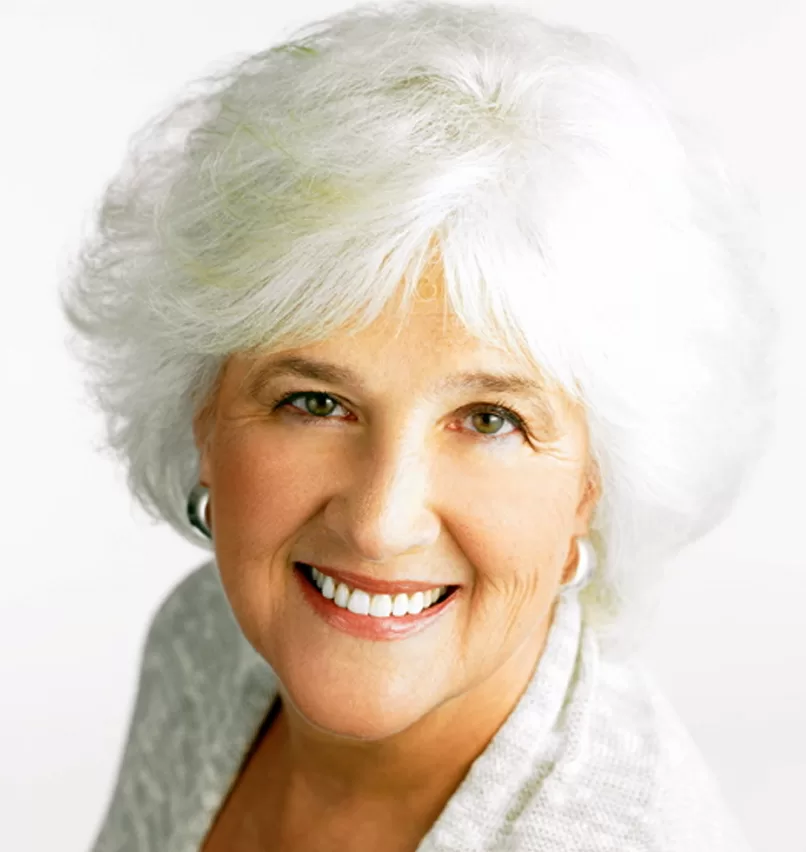
Barbara Coloroso is an internationally recognized author, educator and parenting consultant with over 50 years of experience. A sought-after speaker on bullying, discipline, parenting and teaching, Barbara has appeared on CNN, NPR and Oprah and been featured in Newsweek, The New York Times and U.S. News & World Report. Barbara’s work blends academic training in philosophy, sociology and special education with real-world insights drawn from her experiences as a teacher, volunteer, mother and grandmother. She has authored four bestselling books, including kids are worth it!, which frames her discussion with John.
Visit our YouTube channel for selected snippets from this and other podcast episodes.
Links (From the Show)
- Connecting with Barbara
- Honorable Mentions
Show Notes (Find what’s most interesting to you!)
- Why Barbara’s parenting journey is never over [2:30]
- Barbara describes the three types of families in kids are worth it! [5:22]
- The art of letting go [8:01]
- A bit on bullying [13:12]
- The progression from parent to guide to friend [15:15]
- Barbara’s biggest parenting learning experience [17:10]
- The 3 S’s of Barbara’s allowance system [19:03]
- Being flexible with a child’s spending decisions [22:17]
- Thoughts on kids and credit cards [23:34]
- Age-appropriate and ability-appropriate: how much money to give a child [25:05]
- Navigating different money personalities [26:02]
- Giving kids the freedom to make mistakes [27:55]
- Barbara’s 4-part formula for mistakes [32:45]
- Approaching the digital world [34:10]
- Paying for grades: the damage of bribes and threats [36:02]
- The 6 critical life messages of encouragement and 3 C’s of feedback [38:41]
- Navigating difficult economic times [46:47]
- Approaching parent and grandparent privilege [51:14]
- What to do when partners aren’t on the same page—parentally and financially [52:43]
- “Sit down, shut up and get to like yourself”: Building reflection into a busy day [54:12]
- The importance of the phrase “That’s not right” [1:00:55]
- Barbara’s 3 R’s: rest, rebel and recreation [1:03:49]
- Punishment versus discipline [1:04:55]
- Optimism and money empowerment [1:11:45]
- Both good times and rough times are valuable. [1:12:08]
- Being patient with yourself [1:13:06]
- Recognizing a child’s inherent dignity and worth [1:13:50]
- Barbara’s involvement in developing the interactive learning app Nurture [1:15:13]
- Barbara on the web [1:17:29]
Click here for the full transcript.
If you liked this episode …
Wondering how to implement a digital allowance for a young child? Chelsea Brennan, a former hedge fund manager and current financial educator, explains how she knew her kids were ready for debit cards and why using digital money early can be helpful for both children and parents. Listen in at 34:36 for the details, or stream this short video.
Need more strategies for approaching relatives who may be spoiling your kids? Financial coach Kelsa Dickey offers a case study on grandparent privilege during her podcast appearance. Tune in at 35:06 for her personal experience and perspective as well as some suggested talking points.
Curious about how parents with different money personalities can get on the same page financially? Certified Financial Therapist-I™ Megan McCoy explains how partners can align their intentions on their families’ money-smart journeys. Join in at 9:58, and watch this clip for a strategy to help parents who may not share the same financial goals discover common ground.
Please Subscribe
If you liked this episode, then please leave a review and subscribe to the show. The Art of Allowance Podcast is available on Apple Podcasts, Spotify, Podchaser and now Amazon Music. Subscribing is free, and it will help our team produce more enriching content for you to enjoy.
Full Transcript
This transcript is from The Art of Allowance Podcast, Episode 82, featuring host John Lanza and guest Barbara Coloroso.
00:00:00,460 [John Lanza]
Hello, and welcome to episode 82 of The Art of Allowance Podcast. I’m your host, John Lanza.
00:00:09,120 [Barbara Coloroso]
And I’m often asked, “Do you give your kids money or do they have to earn it?” I tell my kids, “Whether you earn it, win it, inherit it, or get it as a gift, you need to spend, save, and share. Even that birthday money.” So they learn to do that. Um, and I’m asked, “Well, you, you mean you’re just gonna give kids money?” Because I have a job to do and that’s to teach them to be financially savvy, whether they win it, earn it, get it as a gift. So at, when they’re young, it’s a gift.
00:00:45,360 [John Lanza]
In this episode, I talk with Barbara Coloroso about her parenting insights. Barbara emphasizes the importance of structure, flexibility, and encouragement in raising resilient, money-smart kids. She discusses the different family types outlined in her work, the significance of teaching about money from a young age, and the value of allowing children to make mistakes as part of the learning process. Barbara also highlights a caregiver’s progression from parent to guide to friend, and the critical role of reflection in improving parent strategies. Barbara Coloroso is an internationally recognized author, educator, and parenting consultant with over 50 years of experience. She’s a sought-after speaker on bullying, discipline, parenting, and teaching, and she has appeared on CNN, NPR, and Oprah. She’s been featured in Newsweek, The New York Times, and the US News and World Report. Barbara’s work blends academic training in philosophy, sociology, and special education with real-world insights drawn from her experiences as a teacher, a volunteer, a mother, and a grandmother. She has authored four bestselling books, including kids are worth it!, which I loved and it frames my discussion with Barbara. I hope you enjoy my conversation with Barbara Coloroso.
00:02:18,540 [John Lanza]
Today, I am talking with Barbara Coloroso. Welcome, Barbara.
00:02:23,080 [Barbara Coloroso]
Thank you, John. It’s a joy to be here, and, and it, to discuss such an important topic.
00:02:27,760 [John Lanza]
Well, great. I appreciate you coming on. And before we get started with questions about you and your book and the revised edition of kids are worth it!, I just want to give, have you give us a sense of who you are. Tell us a little bit about yourself to get ours- get ourselves going here.
00:02:42,440 [Barbara Coloroso]
Well, I’m, um, a mom of three now-grown kids, and I have three wonderful grandchildren. And, uh, people often say to me, uh, “Wow, I’m having an empty nest next year.” I said, “It’s never over. It’s never over.” [laughs] We’re all in this together, and, uh, I’ve been doing, uh, the parenting and teaching workshops for 54 years, as well as having taught kindergarten through grade 12 children with special needs, including young offenders. And then taught at the University of Northern Colorado and worked at their demonstration school where people come in and observe you working, in my case, with young offenders. And then people started inviting me to speak at their conferences and could not have created a better five-year plan. Never used a five-year plan. Things just happened. And I’ve been doing it, like I said, 54 years. Met fascinating human beings from the very young to the very old, working with First Nation communities in the inner cities and independent schools, international schools, working with military families in both Canada and the US and their bases all over the world. So I’ve had a, a, a fascinating experience. The thing I least like to do is write.
00:04:02,500 [John Lanza]
[laughs]
00:04:04,260 [Barbara Coloroso]
I do have books, but that is not my favorite thing. Speaking and working with families and communities as a whole is what I really enjoy doing.
00:04:12,470 [John Lanza]
Well, you wouldn’t be the first person that, uh, describes writing as, uh, something that’s painful. I think George Lucas described it as nails on a chalkboard or something like that. So there are plenty of writers [laughs] who are in that same boat, right?
00:04:26,040 [Barbara Coloroso]
Yeah. No, I, I speak it first. Someone will ask, ask me a question, I answer, I say, “Oh, that wasn’t a bad answer.” [laughs] Yeah. Um, I’m also a former Franciscan nun. Obviously former, with a husband and three kids. And I always have to say, “No, I didn’t marry a priest. Yes, I met him after I left the convent,” for the benefit of the Catholics in the group. [laughs] ‘Cause that’s a question. I’m… In fact, I met him at a protest march, uh, in this, in this late, uh, ’60s. So we were both akin to that as a nun. We ha- were involved in the Civil Rights movement.
00:04:58,420 [John Lanza]
Hmm.
00:04:58,540 [Barbara Coloroso]
So that laid a foundation, uh, for me. It was not a cloister, obviously, ’cause, uh, we were a very activist order. Um, and that opened my eyes to a whole different world. I am glad I went, glad I left. But it has influenced my writings.
00:05:13,760 [John Lanza]
Well, for someone who doesn’t like writing, you do a great job of it because kids are worth it!, it’s a terrific book, you have a ton-
00:05:20,080 [Barbara Coloroso]
Thank you
00:05:20,110 [John Lanza]
… of insights. We’re gonna go into a lot of those insights. And I think to get things started, I’d like you to just describe the different types of families that are out there because that context will be important because I think you’ll be referring to the types of families in this conversation. So maybe give us a little bit of a lay of the land.
00:05:37,540 [Barbara Coloroso]
Yes. Um, has studied Alfred Adler’s work and he talked about the difference between behavioral research and his very human-centered work. So when I talk about these three families, I use the term brick wall, jellyfish, and backbone. And if you conflate that with behaviorism, it would be the, um, uh, the permissive family, which would be the jellyfish family, and the very authoritarian…… Type family, which would be the brick wall and in behavioral studies, and I have studied behavior modification and I don’t ascribe to it, they just merge those two together. In Adler’s approach and in my approach, brick wall and jellyfish are two extreme ways of parenting and you don’t combine them to make something better. A backbone family is very, very different. And backbone families comes in all different sizes and shapes and, and configurations. But if you look at a brick wall, it’s my way or the highway basically. I set the rules and you will listen. Uh, my goal is to teach kids how to think, not what to think, to enable them to stand up for values and against injustices. So the brick wall just won’t cut it. But the other extreme is the jellyfish of which I say there’s an A and a B. Jellyfish A is just anything goes. Very permissive, let my kid do whatever and the consequences will follow as they may. But children need structure in their lives, but a backbone provides that. If you look at a backbone, there’s flexibility and we need to be flexible when we’re raising [laughs] children within a structure that they can then begin to develop their own sense of self-discipline. There, they can, with that structure, flesh out their own way of being in the world. But they also need that freedom, that flexibility that you don’t get from a rigid brick wall. But it’s not come what may and let the kids do anything and everything and be rude and oh, they’re just expressing themselves kind of thing. I want to raise kids who from the time they’re very young know that there are limits and boundaries in our lives, as there are. Uh, and within those limits and boundaries, there’s a tremendous freedom to be all you can be. And so I use examples where you start with red pajama, blue pajama. I don’t say to a two-year-old, as a jellyfish family would, um, uh, “Do, do you wanna go to bed or not?” That’s not a question I ask a two-year-old. [laughs] But I do say, “Do you wanna go to bed now with your red pajamas? Or now with your blue pajamas?” And some little ones will show up with red bottoms, blue top. And I’ve always said in all of my philosophy working at schools and homes, if it’s not life-threatening, morally threatening or unhealthy, let it go. That purple hair will grow out when they’re older. It’s okay. Um, and wearing red bottoms, blue top, they can express themselves and not get locked in a power struggle with their parents. Then you increase it as you would in any areas, including in the financial areas, which we’ll be talking about later. Start at two and then you increase it age appropriate, ability appropriate. So in pre-school, here’s three outfits, pick one. Now my third child is an artist. Very creative. [laughs] And he put those three outfits pick one in very interesting combinations. So out of absolute necessity, I, I made him a button. Today, I would help them make their own button. Uh, and it said, “I dressed myself.” He proudly wore that thing to school every day with his interesting combination of clothes. Then you go to school. Here’s your school clothes, here’s your play clothes. Pick out something from your school clothes. And regularly, my middle daughter, who ended up being a stuntwoman for a large part of her young adult years, risk-taker and the like, would put together some interesting layered looks. Uh, and I have a lot of parents saying to me when I was a middle school teacher, “Look at my kid. He was such a good kid. He was so well-behaved, so well-mannered, so well-dressed. Now look at him.” And I look at the kid, I get to know his parents. They say, “You know what? He hasn’t changed.” They go, “What?” I say, “He hasn’t changed.”
00:09:53,110 [John Lanza]
Mm-hmm.
00:09:53,830 [Barbara Coloroso]
From the time he was little, he dressed the way you told him to dress. He acted the way you told him to act. He said the things you told him to say. He’s been listening to somebody else tell him what to do. Brick wall. He hasn’t changed. He’s still listening to somebody else tell him what to do. Problem is, isn’t you anymore. It’s his-
00:10:10,060 [John Lanza]
Hmm
00:10:10,090 [Barbara Coloroso]
… peers. The kid hasn’t learned how to think. So brick wall is rigid, teaches kids what to think, not how to think. Jellyfish by and large in all areas of their lives is the A, which I told you is just whatever you’d like to do. And then there’s the B, the neglected parent. And we think, “Well, they must be poor.” Not true. There are a lot of very attentive poor families who make sure their kids are eating before they go to school and the like, and there are some high status families, very wealthy families who the kids don’t sit down for a meal or it’s not with their parents.
00:10:43,990 [John Lanza]
Mm-hmm.
00:10:44,000 [Barbara Coloroso]
So that we can’t say it’s a matter of wealth or where they live. The family structure for that backbone can be such a dynamic kind of structure that may change over the, the, grandpa dies or mom’s been ill and, and grandma has to take over for a while, or aunts and uncles. I married into a large Italian family, you know, and big gatherings. So family construct is more about being backbone with limits and boundaries within reason, but giving kids the opportunity to make lots of choices and mistakes.
00:11:19,990 [John Lanza]
Yeah.
00:11:20,150 [Barbara Coloroso]
And unless those mistakes are life-threatening, morally threatening or unhealthy, let ’em go. They’ll learn from it.
00:11:25,230 [John Lanza]
Well, that was one of the big takeaways that I implemented immediately after reading your book, was the letting it go. Uh, particularly with regard to cleaning our k- our kids cleaning their rooms. You made that specific point in the book and I said, “Why am I getting myself all in a tizzy over them cleaning their rooms? It is not life-threatening.” [laughs] And it really, it wasn’t even that bad. It was just messy, right? And, and that was a-
00:11:49,110 [Barbara Coloroso]
And there is a stage in most kids’ life where it is messy.
00:11:52,250 [John Lanza]
Right. Exactly. And, uh, there was a stage in my life. Would … Just ask my … If you just, [laughs] if we brought my dad in right here, he’d be like, “You were the biggest slob on earth when you were 15 and 16 years old.”
00:12:03,280 [Barbara Coloroso]
[laughs]
00:12:03,290 [John Lanza]
And so that was really a helpful piece of advice. And I, I like your framing also in the book as you talk about you, the idea of trying to raise kids with dignity, right? So that they have their own…… and, and that’s what, that’s what this backbone approach is, uh, leading to. And it’s funny that you talk about your, um, youngest son and the dressing ’cause, uh, my wife and I, when our youngest would get dressed in the morning, I mean, back when she was kind of two or three, maybe four or five even, our favorite part of the day was when she would walk down the stairs to see-
00:12:36,939 [Barbara Coloroso]
[laughs]
00:12:36,969 [John Lanza]
… what it was that she was wearing, so we had to kind of look away and make sure-
00:12:42,110 [Barbara Coloroso]
[laughs]
00:12:42,160 [John Lanza]
… that we weren’t laughing. But it was the… It was such a wonderful moment of the day to see what decisions she had made, and she made those decisions. [laughs] And-
00:12:51,559 [Barbara Coloroso]
And I’ll bet she’s very strong-willed and independent now.
00:12:54,910 [John Lanza]
She is incredibly strong-willed and independent. [laughs]
00:12:57,829 [Barbara Coloroso]
Yes, and that’s what we want. You see, my goal in all of my work is to raise responsible, resourceful, resilient, compassionate human beings who do know how to think and not just what to think, who will stand up for those values. When… I wrote a book on bullying. When the high-status social bully, whether they’re five years old… And believe me, little girls can bully at five, be mean and cruel. Or 15, when the high-status social bully says to all the other girls, “I don’t like that new girl. If you wanna be in my group, don’t eat lunch with her.” Now, kids raised in a brick wall family, uh, are more likely to follow that girl’s edict, but a backbone family daughter, hopefully it would be your daughter that said, “That’s mean, that’s cruel.”
00:13:40,750 [John Lanza]
Right. Right.
00:13:40,949 [Barbara Coloroso]
And go sit, at five or 15, sit with the new girl.
00:13:44,770 [John Lanza]
Yeah.
00:13:44,910 [Barbara Coloroso]
Knowing that she will probably do that at cost. There’ll be no scratch-and-sift stickers and stars, catch-em-and-be-ing good awards, lunch with the principal. What you’ll probably get is, “Oh, Miss Goody Two-shoes, are you our next?” But you have raised her to know to do the right thing, even when the burden is heavy. With a young boy, same thing in a locker room. When the high-status social bully… And there’s several different kinds, but that kind often is very popular, including with educators, so we often dismiss what they do. And does that mean mean and cruel? They didn’t mean it. But he says, “Look at that kid over there, different skin color, or religion, or gender, or physical, or mental ability,” the big five for hate crimes. What makes a hate crime a hate cri- uh, different than other crimes? It’s criminal bullying. And he says, “Let’s go mess him up.” I want your son to be the one that you gave all those options to and let him make decisions, say, “Back off, leave him alone, he’s not such a bad kid,” but he will do that at cost. He might get, “What are you, chicken? What, do you just like him?” But they’ll do the right thing, even when the burden is heavy-
00:14:47,030 [John Lanza]
Yeah
00:14:47,040 [Barbara Coloroso]
… because you have allowed them to experiment, to make mistakes, to go to school and somebody say, “Well, those are interesting socks you put on [laughs] today.”
00:14:55,870 [John Lanza]
[laughs]
00:14:56,140 [Barbara Coloroso]
‘Cause they don’t match, and they don’t care, but they can look at that and go, “Yeah, they’re mine.” Instead of be embarrassed or whatever, you know. I want kids to learn from their own living, hopefully from some things I can impart with them from my own mistakes or choices that I made and my own wisdom. See, one of the things we have to remember as parents is we are their parent until they reach puberty, and then we need to become their guide. I get a little hysterical when parents say, “My teenager is my best friend.” To which I say, “Get a life. You need to talk about your issues, go call a friend for tea.” But your kid needs a model and a guide. And then in adulthood, and I have found this with my three and it’s so heartwarming, that we become friends.
00:15:44,290 [John Lanza]
Mm-hmm.
00:15:45,849 [Barbara Coloroso]
I want my kids, knowing that they may choose my nursing home, [laughs] to be a good friend of mine and have my interest at heart. So, there is a progression here and there’s thought behind how you constantly increase responsibilities and decision-making and decrease limits and boundaries. So when they do leave our home or schools, they’re making all of their own decisions and truly responsible for all of their own behavior and not saying things like, “Well, he made me do it.”
00:16:13,390 [John Lanza]
Yeah, and I li- I like that framing, the, the idea of parent, guide, and then eventually friend. And it, it also makes me think of [laughs], uh, I forget who said this, but the idea that… Saying this to your kid, “As a parent, I will always love you. The choice as to whether I will like you or not [laughs] is really your choice.” Which I think is, very much sums up what, uh, the teenage years can kind of be like. But that, the idea of being their guide is, is really important. Now, because we are in The Art of Allowance Podcast, and I wanna-
00:16:43,680 [Barbara Coloroso]
Yes
00:16:43,680 [John Lanza]
… talk about the money side, I wanna pose a few questions of ideas that I talk about in my book that I’m, I kind of want to know your thoughts on, whether, uh, we did the right thing. And I wa- I also wanna just let everybody know because [laughs], especially if my daughters are listening to this-
00:16:59,640 [Barbara Coloroso]
[laughs]
00:16:59,990 [John Lanza]
… like, that, that part of it we did pretty well, letting her dress. There are plenty of fumbles that we made as parents, let’s put it like that. So… [laughs]
00:17:07,929 [Barbara Coloroso]
Well, we all do. We all do. In fact, y- I made the big mistake of… Well, it wasn’t a mistake really, it was very learning for me. I said to my two daughters when they had their children, I said, “Is there anything in your childhood you do not want me or your dad,” I always put him in there too [laughs], “not to do with the grandkids?” My older one said, “I’m gonna really have to think about that.” And the youngest, the middle daughter, said, “Yes, yes,” without hesitation. She said, “Do you remember when we would be out in public…” ‘Cause I was fairly well-known when they were young, kept them out of the picture as much as possible, not on all this platforms that you have today.
00:17:46,889 [John Lanza]
[laughs]
00:17:47,030 [Barbara Coloroso]
But I would grab their arms. She said, “I would… That, mom, you would grab our arms and squeeze tight.” My heart sunk because that’s what my mother did to us, and I had repeated that. I had tr- strived all my life to, in my adult years, to get rid of the tools that I didn’t find effective in my own parents and ke- tried to keep the ones that were, but that one was there. And I said to both of them, “I promise you, I will never, ever grab my grandchis- children’s arm in public.” I even get choked up, you know, ’cause I did it.I think we have to give ourselves some grace here. And luckily, she could say that to me, that that’s one thing that bothered her. And I promised them I would never do it. And then I said, “Think about it. If there’s anything else, let me know because I want to be a big part of my grandkids’ lives.”
00:18:38,858 [John Lanza]
I, I love that advice. It’s definitely something I’m gonna ask my kids. And, uh, and I appreciate the grace ’cause we definitely need that. I think all of us-
00:18:46,128 [Barbara Coloroso]
Yes
00:18:46,128 [John Lanza]
… here talking and everybody listening wants a little grace as a parent because it feels like every day, there’s an opportunity [laughs] to screw things up. And sometimes you pull it off, sometimes you don’t. We all know it, and that’s just how it goes. So okay, so let’s jump into the-
00:19:01,508 [Barbara Coloroso]
Okay. [laughs]
00:19:01,508 [John Lanza]
… family allowance.
00:19:02,898 [Barbara Coloroso]
Yes.
00:19:03,398 [John Lanza]
And I just wanna take some time talking about the system that you set up and why you did it. Maybe talk a little bit about did you require chores? Did you do envelopes, buckets, or jars? The more detail, the better.
00:19:16,058 [Barbara Coloroso]
Yes.
00:19:16,538 [John Lanza]
I teed it up for you, Barbara. Go.
00:19:18,358 [Barbara Coloroso]
Yes. Yes. I have, uh, this idea that kids need to learn about money and they need to learn three things. First of all, they have to learn how to handle money at a very young age. And so when do I start it? When they don’t put it in their mouths, when they’re not eating it. And for some kids, they never put stuff in their mouths that were not supposed to go there. Other kids, they put anything and taste everything. So you have to know your child. Again, it’s age-appropriate, ability-appropriate. Then you want to help them learn to make good decisions about their money. Because once they have it in hand or they’re watching other people use it, they need to learn how do you make a decision about it, and then what do you do to help them set financial priorities. And so I’m talking two and three-year-olds here. I had three kids in three and a half years. So the first one was the oldest. The youngest was a baby, and there was a three-and-a-half-year span there, so there wasn’t much time for the differences. However, you’ll find the second one learns faster than the first because they’ve been observing the first. And we started with Ana. Ana’s our oldest. Maria and then Joseph, the artist, and the middle one, stuntwoman. The oldest is a financial analyst-
00:20:34,338 [John Lanza]
Hm
00:20:34,818 [Barbara Coloroso]
… as an adult.
00:20:35,998 [John Lanza]
Yeah.
00:20:36,318 [Barbara Coloroso]
So her way of handling money is very different than the middle daughter, than the artist, just by personality. But what we did with the oldest, we said, “We need to find three containers. Do you wanna make one? Is there something here in the house?” Giving them decisions even as to where they’re gonna put their money. And so she figured jars so she could see through them. Fine. What did the middle one do? Jars, ’cause her older sister said, “Then we can see and you can unscrew the jar but it won’t fall out,” all the reasons behind it. The third decided to make his own out of what was then the primitive forms of LEGO. Go figure. Fine, money goes in it.
00:21:18,038 [John Lanza]
[laughs]
00:21:18,058 [Barbara Coloroso]
It’s fine. But you let them make that choice. And then so y- you talk to them about three things they need to do with this money that we’re going to give them. “You need to learn to spend it.” There are three S’s, spend it, save it, and share it. I, uh, in my original book, give to others who need it or that you think for a gift or something. But the share fits all those buckets there. So that’s the three. And I’m often asked, “Do you give your kids money or do they have to earn it?” I tell my kids, “Whether you earn it, win it, inherit it, or get it as a gift, you need to spend, save, and share. Even that birthday money.” So they learn to do that. Um, and I’m asked, “Well, you, you mean you’re just gonna give kids money?” Because I have a job to do, and that’s to teach them to be financially savvy whether they win it, earn it, get it as a gift. So at, when they’re young, it’s a gift-
00:22:15,178 [John Lanza]
Mm-hmm
00:22:15,538 [Barbara Coloroso]
… in that sense. And if they want, as they get older, if they want something really special and it would take them a long time to earn it, then you can help out with that. I remember my oldest wanted a new bike, very quickly had a growth spurt and, and had outgrown her bike. But of course, she picked a very expensive bike, just like one of her friends had. And we said, “Fine, we will split it in half with you ’cause that’s what we would’ve paid for a bike, not this other one.” And then you can, she was old enough then to do some extra chores and neighborhood things and shovel the walks for people, that kind of thing. But a friend of her said, “You know what? I’ve outgrown my bike, so Mom says I have to sell it, but I’ll sell it for you, to you cheap.” And so they negotiated, and she got the bike that she really wanted that was used.
00:23:07,158 [John Lanza]
Yeah.
00:23:07,278 [Barbara Coloroso]
But it was, so you work that way. You just don’t… Brick wall would say, “This is how it’s gonna go.” But you have that flexibility. But it isn’t running out and getting her her best favorite bike even if it means not paying some bills. So we use our, our, our sense there. Then with the money, you start very young. Now we, we used to talk about pennies, but we can’t talk about them anymore. They’re going by the buy. You might save a few just to show them what it used to be. And that leads to the fact that many young people today get credit cards very young under the supervision of their parents, you know, where they can track what their child is spending, because what is a tool we use today? Tap & Pay.
00:23:46,158 [John Lanza]
Mm-hmm.
00:23:46,798 [Barbara Coloroso]
So how young would I start with the Tap & Pay? Well, many kids, it’s, like, 10, 11, 12. I would recommend that it start even younger. Not that they would take it with them all the time or that it would be in their possession all the time, because I could start talking to them, which applies to media and its influence, about not sharing information about your financial doings.
00:24:11,778 [John Lanza]
Mm-hmm.
00:24:11,798 [Barbara Coloroso]
And so I would start it even younger with them-
00:24:14,318 [John Lanza]
Yeah
00:24:14,398 [Barbara Coloroso]
… in elementary school, rather than carrying their lunch money. It’s loaded on, and they can then buy what they’d like. It was fascinating to me when my 13-year-old grandson said to me a few years ago, “Grandma, why at Safeway do you go through the ads and, and look for deals before you go to the store?” And then I showed him what savings with the clip deals. And he said, “Can I get my own Safeway card?”
00:24:38,228 [John Lanza]
[laughs]
00:24:38,628 [Barbara Coloroso]
Because when they would walk for lunch, there were specials. And so he now has that on his phone. Would I have taught him that that young?… nobody asked. And he was wondering why I took so much time before I went to the grocery store. I said, “Because it saves money, and it gives us extra money.” Teaching from experience. And I think we have to drop down a bit in terms of what kids will be using in the future, um, for what they do, s- And people say to me, “But how much money do I give a child?” Again, age appropriate, ability appropriate. You ask yourself some questions. How much can I afford? How much do I want to give them because I think they can handle it? What do they need it for? An older child who is now budgeting for her own clothing in the high school years, which she ought to be doing, is very different for, than the needs of a 10-year-old. And so you look at, what do they need it for? Kids who live in a rural area aren’t cruising malls and spending things there. So you have to use your own wisdom as a parent and your situation as a parent. And then a kid who needs gas money for the car may need a different kind of an allowance. So you look at that and then what, you ask yourself, “What do they need it for and what can they handle?”
00:25:58,630 [John Lanza]
Yeah.
00:25:59,100 [Barbara Coloroso]
Do you need to give them a, an allowance once a month? My financial analyst daughter asked when she was 11 if she could have it all in one lump sum at the month, and she budgeted that out.
00:26:10,970 [John Lanza]
Mm-hmm.
00:26:11,700 [Barbara Coloroso]
The middle one, who is also very savvy and in, in a very different way, said, “No, I’ll keep it every other week.” The youngest one, the artist, said, “Well, I wanna try it for a month.” At the end of the month he said, “Every week, Mom.”
00:26:26,530 [John Lanza]
[laughs]
00:26:26,920 [Barbara Coloroso]
[laughs] We do it every week.
00:26:28,560 [John Lanza]
Yeah.
00:26:28,590 [Barbara Coloroso]
We didn’t have any leftover. So know that each one of your children will be different. You have a child with special needs.
00:26:34,910 [John Lanza]
Yeah.
00:26:35,330 [Barbara Coloroso]
The younger one may need a bigger allowance because in the end, they may be caring for that child with special needs.
00:26:41,570 [John Lanza]
I think that’s such, such an important point is that we want everything to be, you know, even as parents, right? But our kids are just not at all the same. I mean, and so much of it is just hardwired, right? I mean, that’s, that’s one of the things that I’ve learned as the, as I get older, is just they come out a certain way. And yes, and there’s a, there’s a nurture portion of it, but I think we underestimate the nature portion and we overestimate the nurture, which makes sense. We’re parents.
00:27:10,550 [Barbara Coloroso]
I agree. And then when you accept… I had the wonderful opportunity to work with children who were very troubled or came from troubling backgrounds before I had my own children. I even said to them, “You’ll have to work at shocking me.” They all tried.
00:27:23,870 [John Lanza]
[laughs]
00:27:23,899 [Barbara Coloroso]
But to come at it as an older parent and look at that and say, you know, “These are unique individuals.” And I had three in such a short period of time-
00:27:31,450 [John Lanza]
Mm-hmm
00:27:31,690 [Barbara Coloroso]
… that, uh, I could see there wasn’t a great age difference, that they were all unique individuals with their own needs and wants and desires and talents, and then to recognize that and allow them to express themselves that way. And so in money areas, that’s the same thing.
00:27:50,830 [John Lanza]
Yeah.
00:27:50,970 [Barbara Coloroso]
We can’t just put this separate and say financial is different. No. Each one of your children will make mistakes. One of my kids decided designer jeans were in, and she had to have them. She spent most of her clothing allotment in her freshman year on this very expensive pair of jeans, and she had some other ones that were cheaper. She was washing those jeans every day and saying, “That probably wasn’t a good choice.” And I bit tongue [laughs] quite, you know?
00:28:17,150 [John Lanza]
[laughs]
00:28:17,420 [Barbara Coloroso]
I
00:28:17,420 [John Lanza]
… over that. [laughs].
00:28:18,650 [Barbara Coloroso]
But she had to learn it herself.
00:28:20,650 [John Lanza]
Yes. I’m-
00:28:21,280 [Barbara Coloroso]
And another one wanted Doc Martens, and I’m looking at those Doc Martens may be foreign to people today, but these were kind of cloddy-looking boots, and she wanted them.
00:28:30,080 [John Lanza]
No, Doc Martens came back. They came back.
00:28:32,370 [Barbara Coloroso]
Well, she saved her money for them.
00:28:34,910 [John Lanza]
Yeah.
00:28:35,230 [Barbara Coloroso]
That’s what she want. Let them make those decisions. One little one, especially the little ones here, might like to collect little things, and another one will save it for something bigger.
00:28:46,390 [John Lanza]
Yeah.
00:28:46,930 [Barbara Coloroso]
Which reminds me-
00:28:47,850 [John Lanza]
What
00:28:47,860 [Barbara Coloroso]
… on holidays, I gave my children up until they were able to earn money independently with jobs in the neighborhood and the like, gave them a certain amount of money on a holiday and said, “This is yours for souvenirs, for extra treats,” or whatever. They learn to be very astute. They pick something out and go, “Mm, no, no.” They learn it.
00:29:07,980 [John Lanza]
Yeah.
00:29:08,010 [Barbara Coloroso]
And we’re talking four, five, six-year-olds have this money that’s gonna burn through their pockets if they don’t spend, but that’s all they had. And they made choices. They made mistakes. They would even say, “Well, that wasn’t a very good buy.” So you let them make those, and you just sometimes have to sit back, bite tongue, and not-
00:29:25,990 [John Lanza]
Well-
00:29:26,000 [Barbara Coloroso]
… “I told you so.” You just let them do it.
00:29:28,470 [John Lanza]
Barbara, as we’re having this conversation, I am having this fantastic kind of look back at reading your book again, because now I remember why I wanted to interview so, you so badly, because we are so aligned. This is where I felt, I think we, we’ve, we really connected on this idea. So I wanted to touch on a few key things. So one, you talk about share and save and spend. One of the things that we added for our Money Mammals is they have share and save and spend smart. And the idea, which is exactly what you’re talking about, right? And it’s not just semantics because-
00:30:03,410 [Barbara Coloroso]
No
00:30:03,470 [John Lanza]
… what we’re trying to do here is have you learn to s- make better and better decisions. And that only happens through the thing that you brought up, your own experiences. And that comes from making mistakes. And I actually wanted to, uh, touch on a key point here. So you talked about on giving an allowance, um, as a gift, right? The framing that we put on it was the idea that we… I, I make the case in, in my book that you don’t, you don’t wanna tie it to chores, mainly because chores teach one lesson. It’s a great lesson, which is you have to often work for money. But that’s not what allowance is designed to teach, which is exactly what you’re getting at. Allowance is des- designed to teach you how to use money, right? To learn to share and to save and to spend smart. And when parents understand that there’s a why behind the allowance, they really, they get it much more ’cause a lot of people just feel… They don’t want it to be a handout, right? They hear handout, it just conjures up these ideas of whatever it might be. Nobody likes that concept. But if they, if you, if it’s positioned as something that has some purpose, that has a why behind it, which is what your book is all about, is parenting with a why to give your kids [laughs], you know-
00:31:15,270 [Barbara Coloroso]
Yes
00:31:15,450 [John Lanza]
… uh, to give them a, a sense of purpose in their own lives. And so…… this is, it’s just, it’s- I- I’m just getting very excited listening to you talk about it because your approach is so akin to what we talk about here on The Art of Allowance Podcast so often. And actually the idea of the mistakes, one of the points that we’ve talked about as well is this idea that you see something that they’ve done, this is something as a parent that could be useful, which is if you see them make a mistake, let them make the mistake, but you can come back to them and talk to them about that mistake-
00:31:47,346 [Barbara Coloroso]
Absolutely
00:31:47,436 [John Lanza]
… and maybe have them reflect on that mistake, you know, a week or two later, whether it’s the jeans or… And, and not in a, not, not be… Really in a way that, I think in the way you would, were talking about it, which is have them think about the decision that they made. And-
00:32:00,926 [Barbara Coloroso]
And often you don’t even have to wait. They figure it out.
00:32:04,606 [John Lanza]
Yes. [laughs]
00:32:04,946 [Barbara Coloroso]
As long as they’re free to make mistakes and not be fearful of punishment because of a mistake.
00:32:11,126 [John Lanza]
Yes.
00:32:11,146 [Barbara Coloroso]
I don’t use punishment anyway.
00:32:13,026 [John Lanza]
Yes.
00:32:13,266 [Barbara Coloroso]
It’s very different than discipline, but you point out… One thing I like about yours is the spend smart, you know? And to use your thinking here. And I did that with, “Here’s your money for your little trip and how to do that.” And they, you know, one would say, “Oh, I don’t want to spend money on that.” The other said, “Well, I do.” It, it… Having three, it’s just, the other one said, “I’m not even interested.”
00:32:36,646 [John Lanza]
Yeah. Yeah.
00:32:37,306 [Barbara Coloroso]
But they, they learn from one another as well. And, or, and, again, I’m gonna go back to discipline as opposed to punishment. A basic formula whether it’s money or the way they interact with other human beings or they make a mistake, they drop something and it breaks and they didn’t do it intentionally. Very simple formula as a parent. They own it, they fix it, they learn from it, and move on.
00:33:01,926 [John Lanza]
Hm.
00:33:02,486 [Barbara Coloroso]
And if you can apply that to finances as well. Own it. Nobody made you buy that. That you made that choice. Fix it. Is there a way you can fix it? Maybe you wanna have a l- be part of a garage sale [laughs]-
00:33:15,496 [John Lanza]
[laughs]
00:33:15,496 [Barbara Coloroso]
… where you can sell that batch of mistakes. Learn from it. I did that impulsively.
00:33:20,286 [John Lanza]
Mm-hmm.
00:33:20,796 [Barbara Coloroso]
And this is where our wisdom comes in to help them. Okay, when you make a mistake, this is what you need to do. Own it, fix it, learn from it, move on. I’ve gone to preschools where that’s been posted, when you make a mistake-
00:33:33,276 [John Lanza]
[laughs]
00:33:33,276 [Barbara Coloroso]
… because you can start that young.
00:33:35,166 [John Lanza]
Yeah.
00:33:35,326 [Barbara Coloroso]
With… So why not with finances?
00:33:37,846 [John Lanza]
Yeah. Well, that, that was the other point I wanted to make, was I love the, the starting early is so, so important because there, you, m- more than anything what you wanna do as a parent is be prepped for the money conversations, and way before you know it. They’ll be pretty in-depth questions by the time they’re three or four, and if you’re not prepared h- for how you’re gonna answer those questions in an age-appropriate way, y- you wanna have an open, honest, ongoing conversation about money as early as possible. So that’s why I really like what you’re talking about. The other point, and this echoes… I had Chelsea Brennan on, who’s the Smart Money Mama, and her kids got debit cards at seven and four, and to your point, the four-year-old got it because the seven-year-old got it, right?
00:34:22,896 [Barbara Coloroso]
Yes.
00:34:22,906 [John Lanza]
And same thing with ours. We, our, the first one we started an allowance too early for her, restarted it when she was, uh, five, almost six. But the young one was ready for an allowance at four because she was seeing the, the older kid.
00:34:37,505 [Barbara Coloroso]
Exactly.
00:34:37,546 [John Lanza]
So I, I really like that you’re endorsing this idea of one of the debit cards because you’re s- I think what you’re saying is, you know, digital money is the way that they’re going to interact with money. They’ve got to figure that out from the get-go. It’s going to be a conversation. They’ll probably ask you about it, right?
00:34:54,505 [Barbara Coloroso]
Yes. Yes. And they’re gonna want to know, a- again, it’s just like with choices, with red pajama, blue pajama, constantly increasing responsibility and decision-making opportunities. If kids are in the digital world today, they need to learn to handle that digital world.
00:35:12,926 [John Lanza]
Yeah.
00:35:13,406 [Barbara Coloroso]
And, you know, seven is the age of reason in lots of cultures actually, because developmentally it is. And if you have a younger child, they’re gonna learn at a younger age from the siblings or cousins if you have a extended family.
00:35:28,375 [John Lanza]
Yeah.
00:35:28,386 [Barbara Coloroso]
And so use that opportunity. Those little ones can teach their siblings. And if you’ve taught them in a healthy way, they’ll be giving, and giving advice. It’s so fun to listen to an older one say, “I made this mistake,” and we aren’t even talking to [laughs] them, they’re figuring it out. “Well, I’m not sure you wanna buy that because…” And yet the middle one might say, “But I’m getting it.” So-
00:35:52,826 [John Lanza]
Okay. So-
00:35:53,336 [Barbara Coloroso]
… those freedoms to have for that is so important.
00:35:56,896 [John Lanza]
Yeah.
00:35:56,926 [Barbara Coloroso]
And learning all those, those three buckets and how they are flexible.
00:36:01,926 [John Lanza]
Yeah. Okay. Now I’m gonna ask you a question that is, uh, definitely gonna feel like it’s leading the witness, but I still have to ask it.
00:36:07,946 [Barbara Coloroso]
[laughs] You can.
00:36:08,646 [John Lanza]
And that is what… So one of the things that parents like to do, right, is pay their kids for grades. But I’m, I’m asking this question mainly because we’re talking about just bribes in general, right? And, and this is not meant to be accusatory, but the, the problem is that they actually work in the short term, right? You, you can-
00:36:27,446 [Barbara Coloroso]
Mm-hmm.
00:36:27,996 [John Lanza]
… you can, you can actually get the result if, you know, if the result is increased grades, that’s, that’s what makes this difficult is, is parents will see the success in terms of the grades, but what’s wrong with approach? What, what damage might we be doing?
00:36:40,756 [Barbara Coloroso]
We view that at cost. It costs them.
00:36:43,476 [John Lanza]
Yeah.
00:36:43,506 [Barbara Coloroso]
I use Alfie Kohn who wrote Punished by Rewards.
00:36:47,015 [John Lanza]
Yeah.
00:36:47,066 [Barbara Coloroso]
Fascinating book.
00:36:48,466 [John Lanza]
Fantastic book, yes.
00:36:49,426 [Barbara Coloroso]
And, you know, he said, “Bribes and threats and rewards and punishments are flip side of the same coin. They don’t buy us much.”
00:36:54,886 [John Lanza]
Yeah.
00:36:54,896 [Barbara Coloroso]
I like to go one step further. They bankrupt the spirit of children.
00:36:59,186 [John Lanza]
Hm.
00:36:59,846 [Barbara Coloroso]
Because what we are saying is that I’m controlling you which, remember, we do not want to do. A bribe is just a pleasant threat. Think about it. Eat everything on your plate, you can have dessert is just a nice way, a pleasant way of saying you don’t eat it, you don’t get dessert. You just said it nicer, but it’s the same thing. And you say, but… And then what you’re teaching kids is that what’s on your plate is so bad we have to bribe you to eat it. Think about that.
00:37:25,746 [John Lanza]
Yeah. Sure.
00:37:26,366 [Barbara Coloroso]
So school is so difficult that we have to bribe you to do good at it and that’s really putting the kid down. And so-… I give alternatives to bribes and threats, because they do interfere with ethical behavior. That little girl in the lunchroom is not gonna go sit next to the new girl if it costs her, if she has learned that, “I am valued only because somebody can bribe me and threaten me.” That young high-status social bully can’t bribe her if the young girl is not attached to bribes-
00:37:58,886 [John Lanza]
Mm-hmm
00:37:59,196 [Barbara Coloroso]
… if we haven’t used them. Home is a very important school in teaching kids how to behave ethically around money,
00:38:09,866 [Barbara Coloroso]
um, and y- that gets into scams as they get older and that kind of thing, but, you know, around all areas of their lives. So what would be an alternative? There’s an old Sufi saying, “Before you kill the cat, make arrangements for the mice.” I mean, you don’t wanna get rid of something and not have something to take its place. And so, I offer, they need encouragement, they need feedback, and they need a sense of someone cares deeply about them. And then they need discipline, which is a whole nother conversation. But encouragement, encouragement is the six critical life messages. Every child needs this. As an educator, I say every kid who walks out of that door needs these messages. I don’t care where kids come from, dad’s an alcoholic, mother has an interesting occupation, brother’s been in jail. Every kid needs this message. And as parents, every one of our children need this every day. “I believe in you, I trust in you, I know you can handle this. You’re listened to, cared for, very important to me.” They need to hear that. Now think of that in terms of finance. You know, “I believe in you.”
00:39:12,086 [John Lanza]
Yeah.
00:39:12,136 [Barbara Coloroso]
“I trust you. You can handle this.” It’s the same kinda message. So instead of bribes and threats and rewards and punishments, encouragement, feedback. Now feedback comes in three Cs, compliments, comments, and constructive criticism. Again, think of this in f- terms of finance. A compliment, “Wow, look how much you saved for that object you wanted. I knew you could do it,” which is going back to encouragement.
00:39:38,296 [John Lanza]
Mm-hmm.
00:39:38,566 [Barbara Coloroso]
Instead of, “I’m so proud of you.” What’s the flip of “I’m proud of you”? “I’m ashamed of you.”
00:39:43,586 [John Lanza]
I’m disappointed, yeah.
00:39:43,996 [Barbara Coloroso]
“Well, I’m ashamed.”
00:39:45,566 [John Lanza]
Hm.
00:39:46,026 [Barbara Coloroso]
And no, I want my kids to feel honest guilt when they’ve done something they shouldn’t have done, not me imposing shame on them. So they need compliment. Best compliment you can give a child is thank you. “Thank you for walking the dog. He’s been inside all day. Look how happy he is to be outside. Thank you for watering that plant. It was really wilted, now it’s standing strong.” Notice I didn’t say tall. That’s a bias against short. We have a cultural bias against short. Stand strong. Every plant, every kid can stand strong. “It’s standing strong now.” “Thank you for inviting the new boy to your birthday party. It- I’m sure it will mean a lot to him to be included.” Notice how you do that. You stroke the deed, not the kid. Not, “I’m proud of you. You’re such a, a good big brother,” after he hammered his little brother and you didn’t see it. [laughs] But you know, eh, stroke the deed, not the kid. Be very specific to the deed. And you tell the child what his or her actions did for the dog or the plant or another human being.
00:40:48,766 [John Lanza]
Mm-hmm.
00:40:48,886 [Barbara Coloroso]
That’s a compliment.
00:40:50,266 [John Lanza]
Yeah.
00:40:50,706 [Barbara Coloroso]
And i- you do that, and then they know that they can make a mistake and not know you’re gonna be ashamed of them. I wanna stay away from, you know, proud and sh- and shame. And so they need a compliment, they need comments, good solid instruction. This is where in finances it’s so critical that we teach them, “This is a penny, a nickel, a dime.” And I’ll guarantee you, if you have an older one, the little one will learn very quickly that a dime, even though it’s smaller, is worth more than a nickel after the brother has tried to cheat him out of the dime.
00:41:22,426 [John Lanza]
[laughs]
00:41:22,966 [Barbara Coloroso]
They figure… They learn. They learn. So they need instructions about that. We also need to teach them what it means to save. Smart, I like your idea there. And then to share with others and, uh, to save. And the save and share can go together. Um, the kids, having three of them, for special occasions for grandma and grandpa, and for my grandchildren, they were great-grandma and grandpa’s still alive. My husband’s grandmother died at 105, [laughs] you know?
00:41:52,675 [John Lanza]
Wow.
00:41:52,686 [Barbara Coloroso]
There’s longevity there. [laughs] They would pool their savings to buy a special gift for grandma.
00:42:00,136 [John Lanza]
Mm-hmm.
00:42:00,186 [Barbara Coloroso]
So in the saving and sharing, sometimes it’s sharing those resources with siblings to go together to buy something special. And so they all fit together in, in… But who’s going to teach them? If we don’t, they’ll learn it, but they may not learn what you would like them to learn about money. They’re going to school and having lunch money extorted. This is where-
00:42:24,906 [John Lanza]
Yeah
00:42:24,936 [Barbara Coloroso]
… little cards pay. You know, they can’t be extorted for that. And they can’t steal money from your purse if the bully’s extorting them. You know, there’s a lot of advantages to teaching them very young to do money safely. You know, that should be another S. [laughs]
00:42:39,726 [John Lanza]
Yeah.
00:42:39,826 [Barbara Coloroso]
Not only smart, but safe. How do they do that? And then, so comments is good solid instruction in all areas of their lives, their own person, about sexuality, about relationships with other human beings, making friends. Those have to be taught. And so we do that around finances as well. And then, so you have compliments, comments, now constructive criticism. I give the example of your child comes home with an A+. How you behave right there matters. Do you put it up on the refrigerator for the other side of the family to look at? [laughs]
00:43:16,736 [John Lanza]
[laughs]
00:43:16,986 [Barbara Coloroso]
Uh, you know, “Hey, why don’t you spell her?” And “No, she got an A+”? Will they come home and say-
00:43:22,196 [John Lanza]
“What, what have you done for me lately, second child?”
00:43:25,916 [Barbara Coloroso]
Yeah. [laughs]
00:43:25,916 [John Lanza]
[laughs]
00:43:25,926 [Barbara Coloroso]
But think about it, you have two children. One is very good at spelling, it just comes naturally. And another one struggles, but they both come home with an A+. And you say to the one, “Talk to me about it.”… and she says, “Look, Mom, I got all the words right, even spelled February right and an R’s in a funny place.” She gets excited about her own excitement. And you can give her a high five, y- but it’s with her excitement. Praise-dependent kids wait for you to give them a compliment. “Do you like this? Is this okay?”
00:43:54,498 [John Lanza]
Mm-hmm.
00:43:54,618 [Barbara Coloroso]
You know, getting approval.
00:43:56,788 [John Lanza]
Yeah.
00:43:56,817 [Barbara Coloroso]
I don’t want that. I don’t want praise-dependent kids. I want the kid to say, “I did it.” But she can also come home and say, “I blew the spelling exam.” Just talk to me about it. What can we do? Can we help you? What do you need to do? Now, the one that got the A+ and always gets the A+, we often give bumper stickers. I have a honor student at such-and-such school. It makes me crazy. You have two kids, one on the honor roll, one not, do you take the sticker off when the other’s in the car? I mean, think, [laughs] about it. Instead of being a proud parent of a student at a certain school when we need tax money, you know? So it all ties in. So with that child, I say, “Talk to me about it.” And she looks at me like, “Well, spelling’s easy.” And I say, “You know what? You have a phenomenal gift.”
00:44:40,498 [John Lanza]
Yeah.
00:44:40,567 [Barbara Coloroso]
“We have to find a way for you to use that gift,” instead of, “I’m so proud of you.” She won’t take trigonometry in high school if she’s afraid she won’t get an A. She’ll take underwater basket weaving instead. That’s the praise-dependent part with bribes and threats. They go together. And so I say, “You know, we go to the senior center, and you are so good at spelling. That’s a gift you have. There are people there who have Parkinson’s and they have difficulty writing, or there’s somebody who’s visually impaired and they can’t see. Can you go and write thank you notes for them? Can you write letters to their families? Knowing that when you have a gift, you have an obligation to use that gift.” Do you see how different that is than-
00:45:23,218 [John Lanza]
Mm-hmm
00:45:23,317 [Barbara Coloroso]
… “I’m so proud of you. You got straight As.”
00:45:25,778 [John Lanza]
Yeah.
00:45:26,218 [Barbara Coloroso]
Yeah. It’s a very different mindset. And I try to carry that over in all areas, including in financing. They make a mistake, they can own it, fix it, learn from it, move on.
00:45:36,837 [John Lanza]
Yeah.
00:45:38,198 [Barbara Coloroso]
I also want them to know that if they made a good choice, I say, “Talk to me about it.” It’s a wonderful line you can use in lots of situations. A kid comes home from school. You say, “How’s your day?” And he goes, “Fine.” But you’re too busy to notice the body language is not saying fine.
00:45:52,978 [John Lanza]
Mm-hmm.
00:45:53,397 [Barbara Coloroso]
Instead if you turn around and you say, “Doesn’t look like fine. Talk to me about it,” you’ll learn more from him. And he said, “Well, I said I was fine.” I said, “Your body didn’t speak that.”
00:46:03,298 [John Lanza]
Yeah.
00:46:03,667 [Barbara Coloroso]
“And I’m listening to your body too.”
00:46:05,748 [John Lanza]
Yeah.
00:46:05,778 [Barbara Coloroso]
So it comes in all areas. You see, finance doesn’t just drop in all by itself. You’ll notice I put that as a separate chapter in my book.
00:46:14,337 [John Lanza]
Mm-hmm.
00:46:14,357 [Barbara Coloroso]
But it fits the same guidelines.
00:46:17,538 [John Lanza]
Yeah.
00:46:18,478 [Barbara Coloroso]
With developmental levels and… When they leave our homes, believe me, they need to have full control over how to handle their finances. They may even be coming back to you with things you don’t know because who knows what’s gonna be developed later? I mean, we didn’t have cryptocurrency. We didn’t have, um, real tuned into the stock market. And some kids are living in families where that’s just part of their life because they watch mom and dad do it, and others, um, have no clue. I came from a very poor family, and my parents hadn’t graduated from high school. I’m a generation over you, [laughs] you know, at 77. Um, uh, with the, my, uh, mom and dad, they had no clue how to get my older sister, we were, uh, uh, 13 months apart, uh, how she could go to college. And a history teacher, no, an English teacher, Claude Higgins, came out to my mom and dad at their home. And my mother made p- cream puffs, which was special and all that, uh, for them. And my dad was an electrician, so finally he put plates on some of the, the, um-
00:47:23,437 [John Lanza]
[laughs]
00:47:23,448 [Barbara Coloroso]
… yeah, electrical outlets for, uh, teachers coming to the, uh, our home. And he showed them how
00:47:32,078 [Barbara Coloroso]
we could apply for grants, apply for loans to get into college. So what my sister did for us was my mom and dad worked through that process to get her in school, in college-
00:47:43,357 [John Lanza]
Mm-hmm
00:47:43,368 [Barbara Coloroso]
… and she became a teacher. It made it a whole lot easier for me to do the same.
00:47:47,888 [John Lanza]
Mm-hmm.
00:47:48,258 [Barbara Coloroso]
But somebody had to teach them.
00:47:50,327 [John Lanza]
Yeah.
00:47:50,377 [Barbara Coloroso]
So the same with finances. That was part of financial knowledge my parents did not have. They did not know how to put five kids through college. Well, there were ways that we could do that. You know, work-work study, applying for grants, applying for PELLA grants and the like.
00:48:08,087 [John Lanza]
Yeah.
00:48:08,187 [Barbara Coloroso]
So that’s part of the instruction. And now the opposite can happen today with people losing their jobs, possibly falling into a severe recession, where if we have talked honestly to kids about money and how much we can afford to give them when they are teenagers and mom and dad have lost their jobs, the teenager’s more likely to be willing to pitch in. Because poorer families have done that always. Many of our migrant children, when there were rough times, they were out in the fields doing that kind of work. So we can learn from maybe grandparents about how to handle this. But don’t scare your kids. Don’t say, “Oh my God-
00:48:46,457 [John Lanza]
Yeah
00:48:46,468 [Barbara Coloroso]
… we’re losing the house. We’re gonna…” You know, you, you use your wisdom [laughs] here. How much can they handle?
00:48:52,938 [John Lanza]
Yeah.
00:48:53,678 [Barbara Coloroso]
Especially when they’re older. We need to be honest with them. The younger ones we can say, “Well, it doesn’t fit in the budget.” What’s a budget? They know because you’ve taught them what a budget is.
00:49:03,997 [John Lanza]
Right, right, uh-huh.
00:49:04,118 [Barbara Coloroso]
You know, they don’t have to have the biggest, the best, the brightest, ’cause that doesn’t help them learn to be sharers in the world, to be compassionate in the world. Um, d- are there ever limits there? Yes. If your kid’s giving away all of his winter coats ’cause he has three-
00:49:20,158 [John Lanza]
[laughs]
00:49:20,187 [Barbara Coloroso]
… but he’s giving them all away. You gotta say, “Whoa, whoa. Time out. [laughs] Which one do you wanna keep?” I don’t say, “You need to keep the newest.” I say, “Which one do you want to keep?”
00:49:28,917 [John Lanza]
Mm-hmm.
00:49:29,658 [Barbara Coloroso]
And they may choose the lighter weight one because the other two kids have nothing. That’s their choice. Let them make that choice.
00:49:37,982 [John Lanza]
To your point about kids contributing if you, as a pa- as a- a parent or family are going through a difficult time. I remember talking to a counselor about this and they said, “You know, the kids know that there’s a difficult time going on, right? So you’re much better off just addressing it, and they want to be a part of the solution.” And again, to your point, the solution has to be age-appropriate, but it really gets back to this theme that we’ve been talking about, about this open conversation, uh, that we’ve been having. Does that make sense to you?
00:50:09,942 [Barbara Coloroso]
Yes. It’s like brick wall, jellyfish, and backbone again. Brick wall, nothing’s wrong, uh, we’re not gonna talk about it. Or we’re going to have a garage sale and sell all your toys.
00:50:18,722 [John Lanza]
Right. [laughs]
00:50:18,912 [Barbara Coloroso]
You know? [laughs] Because we need the money. Scare the heck out of the kid.
00:50:22,912 [John Lanza]
Yep.
00:50:22,942 [Barbara Coloroso]
Jellyfish is, “Oh, we’ll get through,” and credit cards are adding up until we crash.
00:50:28,902 [John Lanza]
Yeah.
00:50:29,782 [Barbara Coloroso]
But backbone is willing to say to the kids, “It’s tight,” and we, but again I go back to the six critical life m- We’re gonna get through this. Notice I didn’t say, uh, w- “I’m gonna get through this.” We are going to get through this.
00:50:43,082 [John Lanza]
Yes.
00:50:43,402 [Barbara Coloroso]
Whether it’s an illness, it’s finances, we’re gonna get through this. Family is a unit, and sometimes extended family, and we depend on Grandma or Grandpa during this hard time, whether the hardship’s an illness or it’s a financial. But doing it with sensitivity and wisdom. That’s why, you know, s- spending smart is so critical, but also saving. You say, “But I don’t wanna dip into…” Well, that’s where you teach young kids to save for short term and long term.
00:51:13,142 [John Lanza]
Mm-hmm.
00:51:14,022 [Barbara Coloroso]
And you can say as a parent… Let’s say you’ve got a wealthy relative who believes in giving your kids phenomenal gifts for their birthdays. You can say… Or it’s a, a, a… You’re co-parenting because of a divorce, and they want to play Disney Dad or Disney Mom.
00:51:31,822 [John Lanza]
[laughs]
00:51:31,922 [Barbara Coloroso]
You can say, “Look, you can give my kid up to this limit amount of money.” That’s fair. That’s wise. That’s, uh, being a responsible parent. The rest can go into his savings account for college or his savings-
00:51:45,892 [John Lanza]
Mm-hmm
00:51:45,892 [Barbara Coloroso]
… her savings account for something, that trip, that senior trip that she wants to go on. You can put limits on how much people give your child.
00:51:55,522 [John Lanza]
Yeah.
00:51:55,602 [Barbara Coloroso]
That’s being a good parent.
00:51:57,792 [John Lanza]
Yeah.
00:51:57,802 [Barbara Coloroso]
‘Cause they don’t need a check for $1,000 on their 10th birthday. They need a small amount or a token. Maybe, and I also recommend, especially to older grandparents or grandaunts or whatever, that, you know what? Maybe something that’s special to you. My grandson was very close to my mother who died at 92, and she taught him to make rice pudding. What did he want? Her rice bowl.
00:52:21,802 [John Lanza]
Yeah. [laughs]
00:52:21,862 [Barbara Coloroso]
Everybody else is looking at a rice bowl. He wanted to be able to… And he uses, makes it for holidays. You know, those kinds of special gifts. But Grandma wouldn’t have thought of that-
00:52:31,582 [John Lanza]
Yeah
00:52:31,822 [Barbara Coloroso]
… had he not expressed an interest. So you can say, “Do you have anything special?”
00:52:37,262 [John Lanza]
Yeah.
00:52:37,282 [Barbara Coloroso]
Not that you give them a- a ruby ring [laughs] that may have to go in a vault for a while. It goes in the vault. [laughs]
00:52:43,752 [John Lanza]
How do you advise parents? ‘Cause one of the issues that I typically run into when I’m doing classes about allowance or raising money-smart kids, and this ties to just parenting in general, is what happens when you’re not in sync with your partner, right? So whether it’s one is jellyfish and one is brick wall, or whatever it might be, do you have any suggestions about how parents can deal with that? Because I think it’s a fairly common issue.
00:53:12,022 [Barbara Coloroso]
Yes. Brick walls and jellyfishes often find one another-
00:53:15,712 [John Lanza]
[laughs]
00:53:15,712 [Barbara Coloroso]
…’cause it’s a- a missing piece in their minds. But it does not a backbone family make.
00:53:20,372 [John Lanza]
Mm.
00:53:20,582 [Barbara Coloroso]
You both have to explore where you came from, your history. How were you dealt with? What tools in that parenting toolbox do you need to get rid of, and what will serve you better? That means you have to practice those new tools, and that’s where even in co-parenting after divorce, it is so critical if they’re really going to co-parent that they sit down and talk about we’re both unique human beings, and we will do things differently, but there are certain things that won’t serve our child well-
00:53:52,782 [John Lanza]
Mm-hmm
00:53:53,542 [Barbara Coloroso]
… and being open. And sometimes it’s a third party that has to kinda help with what serves your child best.
00:53:59,442 [John Lanza]
Yeah. Yeah.
00:54:00,052 [Barbara Coloroso]
Is that whoever the custodial parent is has to make decisions not because you’re seeking revenge or want to punish somebody, but what’s best for the kid.
00:54:11,462 [John Lanza]
Yeah. So when I think about everything you’re talking about, and I remember thinking about this when I’m reading the book, is, you know, you bring to bear so much experience. I think you seem like someone who’s just very- a very naturally reflective person, very thoughtful person. And you think about the craziness of being a parent, which you went through. You had three [laughs] kids in three years. Are- Do you have any recommendations for parents to figure out how to have the- this- this reflective time or how they can start to think through
00:54:46,282 [John Lanza]
deal- you know, dealing with the differences with their partners, dealing with, uh, how kids might be dealing- the different types of, um, personalities the kids have? How do you build in reflection into a day, assuming that’s what’s going on here, how do you build the time to think about these issues into a day that already feels so s- jam-packed with stuff?
00:55:09,282 [Barbara Coloroso]
Well, I told you I was greatly influenced by my three and a half years at the convent, but I also have to look at… My father used to say when we would break up with a boyfriend or have trauma at school, “Sit down, shut up, and get to like yourself.” Now, that isn’t quite what we learned in- [laughs] But sit down, shut up, be quiet. You have a struggle with something to be able to pull apart. And, uh, I worked a bit with the Nurture Group. I think Eddie is the one who introduced me that I was on the Nurture Board there where it- it’s an interactive…… How, to help four to seven year olds learn a whole-
00:55:45,710 [John Lanza]
Hmm
00:55:45,719 [Barbara Coloroso]
… lot, including financial literacy. It’s, uh… And, and I worked with them on breathing exercises for little ones. Well, we-
00:55:52,279 [John Lanza]
Hmm
00:55:52,330 [Barbara Coloroso]
… could benefit from doing those same activities. If we feel ourselves getting angry, anger’s a emotion. It’s not good or bad, it’s real. And so what do we do with that? Well, if we feel… Uh, because when you sit and be quiet with it, you’ll f- often find out you’re afraid, or you’re sad, and this is how you’re expressing it ’cause that’s how you learned to express it. But to come apart and rest a while, to make it a habit to do that.
00:56:16,910 [John Lanza]
Mm-hmm.
00:56:17,419 [Barbara Coloroso]
Um, the interesting thing about that, when you’re sitting and you’re, you’re being quiet, and not thinking about what you need to be thinking about, solutions come in an interesting way that you may not have ever thought of before. But if you’re a- always thinking about, and getting agitated about it, this is a problem, how are you gonna solve it? Um, then in that panic, you may not come with reasonable solutions. I make it a habit to come apart and rest a while every day-
00:56:44,710 [John Lanza]
Mm-hmm
00:56:44,830 [Barbara Coloroso]
… ’cause I need that.
00:56:46,630 [John Lanza]
Yeah.
00:56:46,810 [Barbara Coloroso]
I may have been doing seven hours of lecturing in Amman, Jordan, a few weeks ago. I needed time before that, not to worry about what I was gonna say and the like, but just to get myself centered and, and peaceful, and trust-
00:56:59,930 [John Lanza]
Yeah
00:57:00,000 [Barbara Coloroso]
… that I could do this. Trust that any question… You can believe when I was in Amman, Jordan, there were some pretty interesting questions in terms of world events. And so, uh, not… I don’t worry about my, “How am I gonna answer this? How am I gonna answer this?” It’s just being calm. And it’s amazing because then answers come, but it’s being calm.
00:57:20,279 [John Lanza]
But, okay, so-
00:57:20,590 [Barbara Coloroso]
And the same thing with fi- uh, uh, resting and worry… We worry.
00:57:24,420 [John Lanza]
Right.
00:57:24,509 [Barbara Coloroso]
I’m, I do what I call assertive worrying. I worry when I need to, then there’s no time to, because I have to be doing something.
00:57:31,690 [John Lanza]
Right. Yeah.
00:57:31,860 [Barbara Coloroso]
If you worry that this might happen, this might happen, this might happen, or that when my kids are at the home… Now, if there’s danger at that home, you have to do something. But if I worry about it, then I get all agitated and my body tenses up, and then somebody comes to the door, say something catastrophic has happened, I can’t even deal with it. I’m exhausted.
00:57:52,710 [John Lanza]
Mm-hmm. Yeah, sure.
00:57:53,529 [Barbara Coloroso]
But if I do assertive worrying and say, “You know, I trust my grandson out driving. I trust my daughter out driving. I trust that they can handle it.” If something did happen, you know what? I haven’t worried about it.
00:58:05,850 [John Lanza]
Yeah. Yeah.
00:58:05,920 [Barbara Coloroso]
I can then do something about it. It’s a very different mindset than, uh, worry, worry, worry. You know?
00:58:13,410 [John Lanza]
But for the… Okay, so, uh, for people who didn’t spend their time in a contemplative setting, okay, that’s great, that sounds good, Barbara. I don’t have time to do this stuff. So what does that look like for you? Is this like five minutes, 10 minutes, 15 minutes, 30 minutes? What is, what-
00:58:28,460 [Barbara Coloroso]
I-
00:58:28,460 [John Lanza]
… what is it that helps you center yourself?
00:58:30,500 [Barbara Coloroso]
… I grab time during the day. If somebody’s late, I don’t stir about the fact they’re late. I just use it to just be calm-
00:58:38,310 [John Lanza]
Hmm
00:58:38,439 [Barbara Coloroso]
… because nobody can bother me. If I’m at a doctor’s office, and they’re not there, maybe-
00:58:43,580 [John Lanza]
Yeah
00:58:43,630 [Barbara Coloroso]
… emergency came up, instead of fuming-
00:58:45,890 [John Lanza]
Yeah
00:58:45,960 [Barbara Coloroso]
… about that, I, uh, take the time to just be calm, to breathe.
00:58:49,090 [John Lanza]
Yeah.
00:58:49,110 [Barbara Coloroso]
That’s why I think it’s so important to teach young children-
00:58:52,410 [John Lanza]
Yeah
00:58:52,490 [Barbara Coloroso]
… to breathe, to be restful. Uh, and it’s snatching time. For instance, bedtime. When I had the three little ones at home, one of us did the dishes and one of us put the kids to bed. One of us-
00:59:05,620 [John Lanza]
Hmm
00:59:05,620 [Barbara Coloroso]
… got a break. One of us may not have. But you look at that as the dishes may have been the break.
00:59:11,290 [John Lanza]
Sure, yeah.
00:59:11,529 [Barbara Coloroso]
While the other one is putting the kids down. But when you stay with your little ones, I think… You know, now they gotta learn to sleep by themselves and stuff. I know it’s story time and no cellphone activity, none of that. I did that with my grandchildren. It follows them as they get older.
00:59:28,210 [John Lanza]
Mm-hmm.
00:59:28,590 [Barbara Coloroso]
But if you lay down with them, um, and just sort of rub their backs and their heads. And if you have a child with ADHD, I rub the bottom of their feet. You ask any reflexologist and they’ll say, “You know, rubbing the feet…” Not tickle, tickle, tickle, but firm rubbing. It does two things. One, it calms them down, and two, they can’t get out of bed when you’re hanging onto their feet.
00:59:49,360 [John Lanza]
[laughs] Okay.
00:59:49,390 [Barbara Coloroso]
So, you know, you’re keeping them calm. And you’re saying calm instead of, “You need to go to bed. You need to go to bed.”
00:59:55,220 [John Lanza]
Yeah.
00:59:55,220 [Barbara Coloroso]
“Get back in bed.” It’s, “Okay, something’s going on in this little one’s life. I’m not gonna find it out now. We’re not gonna talk about it now, unless they wanna talk about it. We’re just going to relax.”
01:00:05,230 [John Lanza]
Mm-hmm.
01:00:05,509 [Barbara Coloroso]
There are snippets during the day. And remember, I didn’t learn to do the calming in the convent only, although that was a great experience. I learned to do that at home when we would be agitated. “Sit down, shut up, and get to like yourself,” kind of thing.
01:00:20,370 [John Lanza]
Yeah. Yeah.
01:00:20,450 [Barbara Coloroso]
So, I think it’s snatching those moments, understanding that if you worry, most of what you worry about will not happen.
01:00:27,950 [John Lanza]
Yeah.
01:00:28,029 [Barbara Coloroso]
And if it does happen, you won’t have the energy to deal with it. So give yourself that grace to have the energy to… Okay, I believe in you. I trust in you. I know you can handle this. You’re listened to, cared for, very important to me. Six critical life messages, give them to yourself and let them know. Um, you know? And, and I- I talk about in that third C, constructive criticism, I gave you what to do when something hasn’t gone amiss, but what do you do when it has? The, “Talk to me about it,” but I also say to kids, “That’s not right.” Notice I didn’t say that’s wrong.
01:00:59,990 [John Lanza]
Yeah.
01:01:00,000 [Barbara Coloroso]
“That’s not right,” is bigger than right or wrong. Two kids making up a game only two can play.
01:01:05,830 [John Lanza]
Mm-hmm.
01:01:06,509 [Barbara Coloroso]
There’s nothing wrong with that, but it’s not right if you did it to intentionally include- exclude someone.
01:01:11,730 [John Lanza]
Yes.
01:01:11,930 [Barbara Coloroso]
Well, that’s not right. But the other reason is, “That’s not right,” means it’s possible to fix it.
01:01:17,630 [John Lanza]
Yeah.
01:01:18,069 [Barbara Coloroso]
It’s that optimism. “Okay, so you did something with your money you shouldn’t have done. That’s not right. It’s not wrong, it’s not right.”
01:01:26,240 [John Lanza]
Yeah. Yeah.
01:01:26,240 [Barbara Coloroso]
“So what can you do to fix what you did?” That’s a more optimistic… And when I talk about calming down, part of that is having what Victor Frankl called… He was a death camp survivor. He said, “Tragic optimism.”
01:01:39,859 [John Lanza]
Yeah.
01:01:39,859 [Barbara Coloroso]
“When you’ve been brought to your knees in grief, can you get up in the morning, fix your children breakfast, say, ‘We’re gonna get through this’?”
01:01:45,109 [John Lanza]
Mm-hmm.
01:01:45,290 [Barbara Coloroso]
We can get through the financial hard times.
01:01:48,270 [John Lanza]
Yeah.
01:01:49,674 [Barbara Coloroso]
… generations before us have done it. It’s not easy. It will mean sacrifices, hopefully for the adults more than the children, but we can get through that. And I want young people to know, again, going back to finances, that if you taught them to spend smart, I, I really do like that. Uh, spend smart and save short-term and long-term. And usually long-term requires two signatures so they don’t haul off with their university money when they get mad at you, and to share generously.
01:02:17,694 [John Lanza]
Yeah.
01:02:18,194 [Barbara Coloroso]
And learning to share generously means to do it in a smart way.
01:02:22,654 [John Lanza]
Yeah.
01:02:23,714 [Barbara Coloroso]
So, it’s, it, it all fits together. It isn’t just something, “Okay, I have to teach my kids finances.” No, you use every opportunity. There is some structure to it, like getting them a card and the like, but in that structure, there’s a lot of freedom for each person to be their own unique selves and to learn to handle their own finances with plenty of mistakes-
01:02:46,634 [John Lanza]
Yeah
01:02:46,644 [Barbara Coloroso]
… ’cause we all make them.
01:02:48,134 [John Lanza]
Well, I like that framing too, of grabbing the time, because you realize there is, there’s, there’s a surprising amount of time that’s available. We kinda say that in our family. It’s like, “How can you turn this, uh, this problem into a gift or turn this problem into an opportunity?” We kind of will say it jokingly, but it is meant to say, “Okay, well, that stinks that that happened, but you know, you’re in traffic, so maybe there’s something else you can do, whether it’s listen to a podcast, grab a little time to think and reflect by yourself rather than get upset at the [laughs] other people that are in the same situation that you as- you are.” Um, I like that framing. I think we will all discover there’s a lot more time in the day, to your point, uh, to find.
01:03:28,514 [Barbara Coloroso]
And time with your own children when you’re flabbergasted.
01:03:31,944 [John Lanza]
Yeah. Yeah.
01:03:31,994 [Barbara Coloroso]
You might even say to all of them, including a teenager, “I need to get out, clear my head. Come for a walk with me, would you?”
01:03:39,204 [John Lanza]
Yeah.
01:03:39,324 [Barbara Coloroso]
Ask them. Uh, say to the little ones, “You know what? This is a mess right here, right now. The house is a mess.” And not, “Let’s get busy with it before we go out to the park.” Kids need to learn to rest, rebel, and recreate, recreate, not recreate [laughs] in a teenage sense. And, and chores are another thing, doing chores together. So it’s a big C in the three Rs. Teaching them to rest-
01:04:03,714 [John Lanza]
Hmm
01:04:04,354 [Barbara Coloroso]
… and relax, those are two different things, and rebel, giving them the opportunity to express their Doc Martens shoes, you know, or their mixed clothes, um, and, or a meal where they help put it together, or they did it all by themselves. But saying to the kids, “You know what? This house is an absolute mess. Your bedrooms, things are growing in. Let’s go to the park.” We have this idea you have to earn recreation and rest. We don’t.
01:04:35,644 [John Lanza]
Mm-hmm. Yeah.
01:04:36,054 [Barbara Coloroso]
It should become a part of our lives. The kids will be better for it. [laughs] Yeah.
01:04:40,434 [John Lanza]
That makes a lot of sense. Well, Barbara, there are so many additional questions that I have, but I am mindful of your time and, uh, I think we’ve covered a lot of ground. I do want to get to our fast and fun round questions. Is there anything else you wanted to talk about with regard to discipline that would be useful for parents to know that, to give them some, some context?
01:05:03,734 [Barbara Coloroso]
The difference between punishment and discipline, punishment’s adult-oriented, it’s imposed from without, it arouses resentment, and often teaches kids to do three Fs, to fear, fight back, or flee, into themselves not telling you anything, or out the front door if they’re teenagers. Discipline, on the oth- other hand, if you go back to the Latin roots, to discipline with authority means to give life to a child’s learning, and that’s what we want to do. Di- Punishment, you do something to a child. Discipline, you do something with a child. And if they make a mistake, their job… You say, “Why do we need discipline for a mistake?” Because remember, discipline gives life to a child’s learning. Own it, fix it, learn from it, move on. So I break issues into mistakes, mischief, and mayhem. I just put out a new book on that topic.
01:05:52,104 [John Lanza]
[laughs]
01:05:52,474 [Barbara Coloroso]
54 years of working in discipline areas. If it’s a mistake, that’s accidentally marking on the table when you were coloring. Mischief is tic-tac-toe on that table. Mayhem is carving another kid’s name in a gross term, all marks. So mistakes, we’ve got the formula. Mischief, uh, if it’s mischief, show them what they’ve done wrong, give them ownership to the best of their ability, give them ways to solve it, that’s where wisdom comes in, and leave their dignity intact. So they have a job. The consequence for doing a tic-tac-toe on the desk needs to be reasonable, simple, valuable, and practical. The French term
01:06:28,674 [John Lanza]
Mm-hmm.
01:06:28,704 [Barbara Coloroso]
… répondez s’il vous plaît, which means “Please respond,” should be more work for them than for you. Punishment’s more work for you than them. So what reasonable, simple, valuable, practical. Grounding a kid, removing their allowance from them, not reasonable, it’s, it’s simple, but it’s not valuable or practical. Will not teach them any… He has a mark on the table. He needs to clean it up. So reasonable, wipe that off. Simple, wipe it off. Valuable, this is where we need to talk to the child about, “You know what? You always can put it on a piece of paper. You can… We may have a wall in the house that we can just write things on.” You know, you paint it before you leave the house [laughs], but you do that. So and leave their dignity intact always. Remember, you’re doing something with the child in discipline. Now if it’s mayhem, which hopefully most of the people listening won’t have to deal with, but we all, you know, kids have free will and peer pressure, uh, and, or they wrote a child’s name, that’s a bigger issue because that’s mean and cruel. And mean and cruel is much more difficult than the carving in the desk. First of all, they have-
01:07:34,474 [John Lanza]
Yeah
01:07:34,484 [Barbara Coloroso]
… to repair that, yes, but they have to repair… There’s three Rs for the mayhem, restitution, own and fix what you did. Resolution, tell me how you’re gonna keep that from happening again. “Well, I won’t ever do that on the desk.” That’s what you won’t do. Tell me what you will do. And this is where your wisdom comes in with…… you can, you have to make amends for what you posted online. You have to get it removed. And give them all the ways that they can deal with it, but they have to be held accountable. Notice, that isn’t taking their allowance away, it isn’t punishing ’em, isn’t grounding ’em for six months. None of those, which are all punishments-
01:08:08,574 [John Lanza]
Yep
01:08:09,104 [Barbara Coloroso]
… work. But holding them accountable, this is where I was working with young offenders. And the last one, if it’s a conflict they’re in, then it’s reconciliation. If it’s mean and cruel, there’s restoration. How are you gonna repair the-
01:08:23,703 [John Lanza]
Mm-hmm
01:08:23,703 [Barbara Coloroso]
… damage you caused to this kid? And how are you gonna repair that relationship is repairable. But most issues that we’re gonna be working with young kids is mistakes and mischief, but you discipline in all of that. You know, a child breaks a glass. Brick wall’s gonna say, “Uh, get out of the kitchen, you’re gonna use plastic the next 30 years of your life.” Which says to the kid when you have a problem, you are a problem. Jellyfish goes, “Oh my goodness, what was I thinking giving you a slippery glass? Oh, come on over here and have some chocolate milk while I clean it up.” Which says when you have a problem, find somebody else to blame it on. And I get those kids at school where they’re, you know, they come and say-
01:09:00,394 [John Lanza]
[laughs]
01:09:00,404 [Barbara Coloroso]
… “Well, it wasn’t my fault. Worksheet wasn’t dark enough, teacher didn’t give me enough time, the kid behind me was bugging me.” You know, and the backbone parent looks at the other one and says, “Oh, you have a problem. Go get me a bag.” Three-year-olds can’t pick up glass.
01:09:13,264 [John Lanza]
Yeah.
01:09:13,294 [Barbara Coloroso]
They can hold a bag. You put the glass and they help mop the floor up and then you say, “Which of these glasses do you think you can use today?” Maybe one with handles or maybe it’s plastic, you know, but give them some options to choose. My son made a goal for the other team in a major soccer tournament. He came out as goalie, went in as forward, and-
01:09:33,863 [John Lanza]
Yep
01:09:34,714 [Barbara Coloroso]
… went down and made the wrong goal, wrong team. His coach had go-
01:09:38,094 [John Lanza]
The dreaded own goal.
01:09:39,573 [Barbara Coloroso]
Yeah, Joseph went over and said, “I’m sorry, I’m sorry, Coach.” He said, “Oh, I wasn’t sorry. That was a beautiful goal. Now get out there and get one your- for our team.”
01:09:46,654 [John Lanza]
[laughs]
01:09:47,214 [Barbara Coloroso]
You made a mistake, own it, fix it, learn from it. Now move on. Um, he did make a goal for his own team. And the other team-
01:09:53,504 [John Lanza]
[laughs]
01:09:53,504 [Barbara Coloroso]
… made another goal so it wasn’t standing out there with his goal. But that’s what you do. It doesn’t matter what age. Kid breaks a beaker in, in, uh, in science class, same thing. Own it, fix it, learn from it, now let’s move on. But when mischief, which is one of the things we deal with a lot, um, and it’s that tic-tac-toe on the desk or grabbing your sister’s toy in a conflict, it’s, uh, basically show them what they’ve done wrong, give them ownership, give them ways to solve it, leave their dignity intact.
01:10:20,884 [John Lanza]
Yeah.
01:10:20,914 [Barbara Coloroso]
And when you deal with the big stuff, the bullying, other form of vandalism, mayhem, it’s restorative practices, the three Rs. And hopefully most people will not have to deal with that, but with bullying on the rise and mean and cruel on the rise, they may either be the target or the not so innocent bystanders or the kid doing the mean and cruel. Intentionally getting pleasure from somebody’s pain is a big issue. So, I think you can look at that with all that you want to do as a parent is be who you are, not the best you can be, but all who you are in the moment…
01:10:58,284 [John Lanza]
Mm-hmm
01:10:58,284 [Barbara Coloroso]
… for your child.
01:10:59,854 [John Lanza]
Yeah.
01:10:59,894 [Barbara Coloroso]
Whether it’s dealing with finances, dealing with sibling rivalry, mealtime or bedtime or chores. It’s, it’s looking and reflecting and saying, “You know, I’m not a perfect parent, ’cause I had lost it.” We do. We all lose it. Then you own it. And my oldest said, “Yeah, we’re so lucky ’cause we’re not perfect kids either.” [laughs]
01:11:21,794 [John Lanza]
[laughs]
01:11:21,814 [Barbara Coloroso]
Okay, now we can start over.
01:11:23,394 [John Lanza]
[laughs]
01:11:23,414 [Barbara Coloroso]
We can move on from here and just begin.
01:11:26,934 [John Lanza]
I’m glad I asked you that, uh, perspective on discipline, ’cause I think it’s really important. It’s a big part of what you do and what you talk about in the book. Barbara, I really appreciate all your perspective. Now, are you ready for the fast and fun round?
01:11:39,954 [Barbara Coloroso]
Yes. Yes.
01:11:40,934 [John Lanza]
All right.
01:11:41,494 [Barbara Coloroso]
Oh, am I ever. I, you know, I just have to trust. Ask me.
01:11:44,934 [John Lanza]
Well, here we go. What does the term money empowered mean to you?
01:11:49,434 [Barbara Coloroso]
It means being financially astute, financially informed, and being able to spend, save, and share in a smart way, as you said, in what I would also call an optimistic way. That sense of optimism-
01:12:06,734 [John Lanza]
Mm-hmm
01:12:07,104 [Barbara Coloroso]
… is we can make this work.
01:12:09,034 [John Lanza]
What is the best investment of time or money you ever spent on your kids?
01:12:14,094 [Barbara Coloroso]
Can I give you two?
01:12:15,014 [John Lanza]
You can give me two, yes.
01:12:16,254 [Barbara Coloroso]
Because it’s in the good times and the rough times, to celebrate the good times, and help make them happen, but don’t make them happen always. See a moment that we can celebrate and come together. But in the rough times, to be present to them. To say, you know, “I’m here and I care.” Because when you model that for them, then they’re more likely to be here and care as well. The modeling is critical. You just can’t count on modeling to do it all. It’s a matter of talking it. You know, through the good times and the rough times, we are a family, and we’re gonna get through the good times and celebrate those, remember those, cherish them, and the rough times. And you say, “I’m not gonna cherish the rough times.” No, we cherish what we learn and who we become through those rough times.
01:13:05,354 [John Lanza]
Very nice. If you could go back and tell your younger self one thing, Barbara, what would it be?
01:13:11,854 [Barbara Coloroso]
To be more patient, with myself-
01:13:14,194 [John Lanza]
Yeah
01:13:14,334 [Barbara Coloroso]
… you know? ‘Cause when you’re patient with yourself, then you tend to be more patient with others. And to, you know, practice that patience, coming apart and resting a while and all of that is very different from being patient with yourself.
01:13:28,374 [John Lanza]
Mm-hmm.
01:13:29,054 [Barbara Coloroso]
Because I, I’m in such a different place now in my own life, but I was impatient. Impatient for things to happen, impatient for things to be finished, recognizing that most things in life are never finished.
01:13:41,994 [John Lanza]
Mm-hmm.
01:13:42,594 [Barbara Coloroso]
They’re threads in that tapestry of life or they’re-
01:13:45,944 [John Lanza]
[laughs]
01:13:45,944 [Barbara Coloroso]
… the part of the journey, but never the full journey. So be patient.
01:13:50,174 [John Lanza]
Hear, hear. If you could transmit a message that everyone would see, Barbara, sky-written on billboards everywhere, what would that message be?
01:13:59,174 [Barbara Coloroso]
I think I started my first book with it…. Actually, because they are children. They have dignity and worth simply because they are.
01:14:07,842 [John Lanza]
Hmm.
01:14:08,462 [Barbara Coloroso]
They don’t have to prove anything to us. They don’t have to be something we want them to be. We need them to be all they can be.
01:14:16,762 [John Lanza]
Mm-hmm.
01:14:17,001 [Barbara Coloroso]
You and I can’t even dream the dreams this next generation’s gonna have or answer the questions that’ll be put to them. So it’s to recognize, because they are children, they have dignity and worth, simply because they’re here.
01:14:30,462 [John Lanza]
Yeah.
01:14:30,602 [Barbara Coloroso]
And so recognize that I and thou, that common humanity that we are. Uh, Archbishop Desmond Tutu said it even better. He said, “We’re interconnected, interrelated, interdependent.”
01:14:40,831 [John Lanza]
Hmm.
01:14:41,012 [Barbara Coloroso]
We’re in this mess together. And if we can remind ourselves in our small family the, of that and spread that, uh, further and further then when we look at another human being, we look at them differently, because they have something unique to offer us. And we have something unique to offer them, and that connection is our humanity. And that includes that little one who’s driving us crazy- crazy right now.
01:15:04,851 [John Lanza]
[laughs]
01:15:04,882 [Barbara Coloroso]
To be able to say, “You know, you matter.”
01:15:08,862 [John Lanza]
Yeah.
01:15:09,212 [Barbara Coloroso]
“Because you are.”
01:15:10,182 [John Lanza]
Beautiful. So Barbara, as we wrap things up, one, what is the one money smarts book, podcast, or media other than your own that you recommend the most often?
01:15:21,201 [Barbara Coloroso]
I’ve been involved with a, a group called Nurture-
01:15:24,302 [John Lanza]
Hmm
01:15:24,642 [Barbara Coloroso]
… and have been fascinated from the very beginning, they brought me in as a, a parenting expert they said, but I’m a parenting educator. I don’t know anybody that’s an expert in the field-
01:15:33,581 [John Lanza]
[laughs]
01:15:34,001 [Barbara Coloroso]
… ’cause I keep learning. Nurture working with, uh, many, many young people in creating an interactive learning app for four to seven year olds. That has been exciting for me because I have no idea how they animate that. I have no idea how they put that together. And the reason I hooked into this are the important life skills, to help them be future-ready.
01:15:55,442 [John Lanza]
Yeah.
01:15:55,501 [Barbara Coloroso]
Uh, and, uh, you know, we don’t look at deficit. It’s, uh, being ready for what can come, like credit cards, you know, and different ways of dealing with money and different situations that are happening. But it’s an interactive app, and I, I’m really impressed with how it has grown over the past four years that I have been involved. And, uh, what’s kind of fun is, you know, I, I’m three generations removed from some of those young people. [laughs]
01:16:21,892 [John Lanza]
[laughs] All right.
01:16:22,322 [Barbara Coloroso]
They could be my grandkids. And to watch them, uh, not only respect my point of view, but for me to be open to theirs.
01:16:31,121 [John Lanza]
Yeah.
01:16:31,241 [Barbara Coloroso]
And, uh, let me tell you, bribes and threats, rewards and punishments were a big part if you look at the gaming world.
01:16:37,442 [John Lanza]
Mm-hmm.
01:16:37,701 [Barbara Coloroso]
And Nurture has opted to move from that. You don’t get rewards and the like-
01:16:42,322 [John Lanza]
Hmm
01:16:42,762 [Barbara Coloroso]
… where you’re doing interactive games. So that’s an exciting thing for me.
01:16:46,982 [John Lanza]
Hmm.
01:16:47,621 [Barbara Coloroso]
Because it’s a whole new world.
01:16:49,822 [John Lanza]
Yeah, yeah.
01:16:49,982 [Barbara Coloroso]
An app world with animation and teaching young people. So problem-solving and emotional regulation, which is through play, the breathing activities, but also the very astute in the financial area. I wrote about it, what, 30 years ago [laughs] and basically most of it is still what I would suggest, except the new activities that relate to it, because those didn’t exist.
01:17:18,001 [John Lanza]
Yeah.
01:17:18,012 [Barbara Coloroso]
Young people are native to this. So working with Nurture has been a real gift because it keeps me on my toes.
01:17:24,041 [John Lanza]
That’s great. Well, we will include the links there. Uh, and the final question I have for you, Barbara, is how can people find you? We have the Nurture app. We’ll put all those links, and we have, um, we’ll have links to your books, but how could people find you to the extent that you want them to find you online?
01:17:39,462 [Barbara Coloroso]
[laughs] Yeah, um, uh, we have a, a webpage. It’s called Kids Are Worth It, title of my first book.
01:17:46,222 [John Lanza]
Yeah.
01:17:46,411 [Barbara Coloroso]
It’s www.kidsareworthit altogether .com.
01:17:51,541 [John Lanza]
Great.
01:17:51,642 [Barbara Coloroso]
Um, and we do have e- an email, and I never mind people emailing me with questions if sometimes I don’t get to them. It’s info.kidsareworthit@gmail.com. You can find me not because I posted it, becau- but others have-
01:18:06,142 [John Lanza]
[laughs]
01:18:06,962 [Barbara Coloroso]
… different lectures on, uh, YouTube.
01:18:09,501 [John Lanza]
Right.
01:18:09,682 [Barbara Coloroso]
There’s quite a few from, I think, it covers almost all the books and lectures that I’ve given. So they’re there. And I think Amazon has most of my books. If you’re from other countries, you know, there, there are different apps that do that. Books are in 26 different languages. Thank you, Oprah, for my exposure there. [laughs]
01:18:28,081 [John Lanza]
Not hard to find, right, not hard to find your material.
01:18:30,742 [Barbara Coloroso]
Yeah.
01:18:31,342 [John Lanza]
Uh, not to mention the fact that you’re referenced in so much other material as well. But Barbara, this was really… Uh, this was a treat for me. I was really looking forward to this. I learned a lot. I have about a million other questions.
01:18:45,382 [Barbara Coloroso]
I’ve so appreciated this because-
01:18:47,632 [John Lanza]
[laughs]
01:18:47,632 [Barbara Coloroso]
… you know, I think we are in sync philosophically-
01:18:50,102 [John Lanza]
Yeah.
01:18:50,701 [Barbara Coloroso]
… on this.
01:18:51,092 [John Lanza]
I think so too.
01:18:51,602 [Barbara Coloroso]
And, uh, um, I’m so glad Eddie mentioned my name to you. Eddie’s from-
01:18:56,382 [John Lanza]
I’m glad too.
01:18:56,962 [Barbara Coloroso]
Yeah, one of the people that I work with at Nurture.
01:18:59,942 [John Lanza]
Well, it’s very rare that you have the experience where when I read the book, I did want to interview you. Um, I think I may have reached out to one of your people at the time. And to have someone ask, ’cause you get a lot of people requesting opportunities and then, uh, Eddie reached out and said Barbara Coloroso. I’m like, “Are you kidding me? Sign her up. Let’s go.” [laughs] Let’s have that conversation.
01:19:20,731 [Barbara Coloroso]
I … and I appreciate it looking at, at your web and looking at your materials because I thought we were, and we are-
01:19:26,701 [John Lanza]
Yeah
01:19:26,842 [Barbara Coloroso]
… very closely aligned and with the same issues-
01:19:30,121 [John Lanza]
Yes.
01:19:30,161 [Barbara Coloroso]
Even a generation apart-
01:19:32,382 [John Lanza]
Yeah
01:19:33,121 [Barbara Coloroso]
… and different aged children because we truly are as a community all in this together. And whatever we can share with one another, none of us have a lock on truth-
01:19:43,902 [John Lanza]
Nope, I agree
01:19:44,012 [Barbara Coloroso]
… or ideas and we, uh, working with my… This has been a joy for me-
01:19:48,371 [John Lanza]
Yeah
01:19:48,371 [Barbara Coloroso]
… to be able to just talk with you because it really is talking with you. [laughs]
01:19:53,781 [John Lanza]
Well, it’s been a lot of fun. Thank you, Barbara. Appreciate your time.
01:19:56,922 [Barbara Coloroso]
And thank you very much, John. [upbeat music]