“It [financial education] starts in the home. It starts with families. It starts with parents making sure their kids are empowered and getting the lessons. Because if it’s not you, it’s really not in schools. It’s not in colleges. There’s nowhere else.”
— Vince Shorb
Host John Lanza speaks with Vince Shorb about the importance of financial education, the need for financial literacy programs in schools and the challenges of scaling these programs. They address the underappreciated role of parents in financial literacy education and the importance of teaching kids to save, earn money and control expenses, while highlighting the power of compounding and the psychology of money. They also discuss similar grandfatherly advice influenced by The Great Depression. Vince shares his early money lessons and how his parents encouraged his entrepreneurial spirit while emphasizing the importance of resilience in making financial decisions.
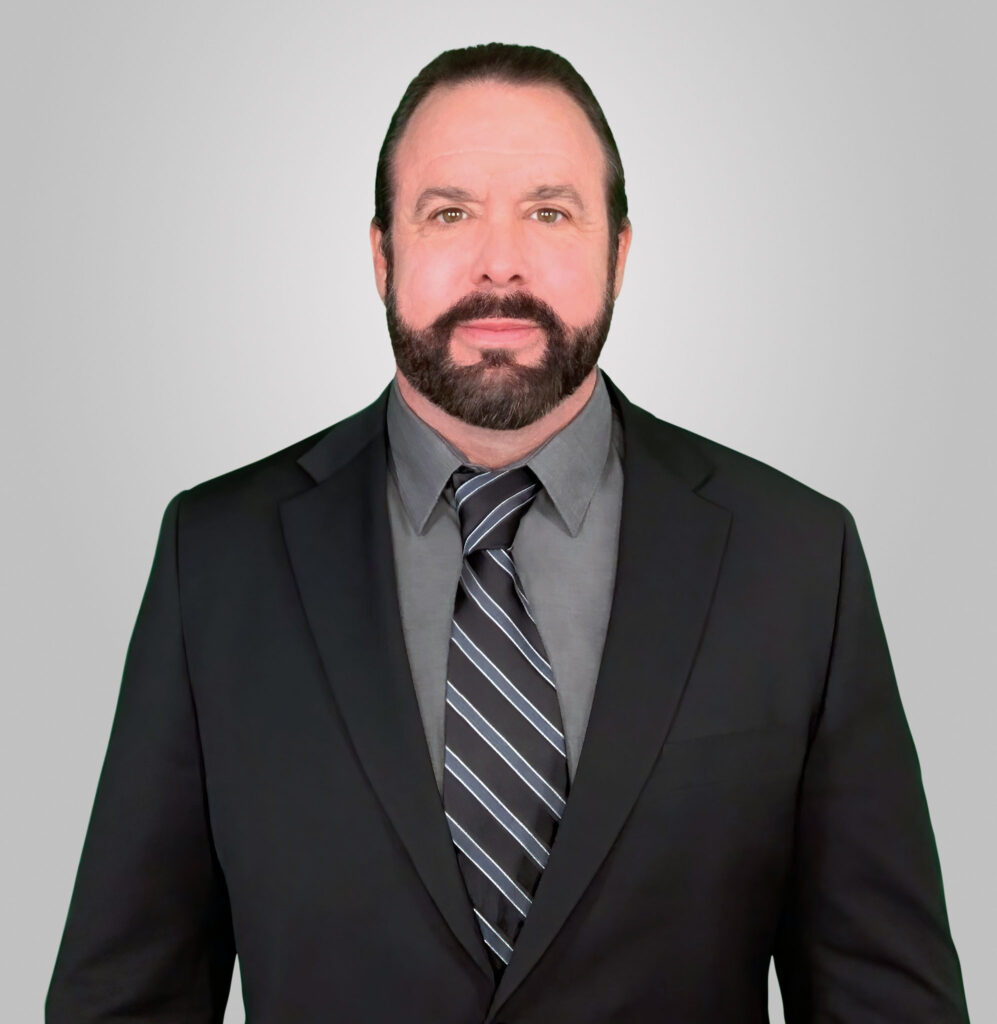
Vince Shorb, CEO of the National Financial Educators Council (NFEC), has helped transform financial education by developing engaging and effective programs that significantly impact diverse communities. The NFEC’s over 2,500 programs help empower community champions to help citizens work toward financial self-sufficiency and security.
Links (From the Show)
- Connecting with Vince
- Vince on LinkedIn
- The NFEC’s website, Money XLive events, “United for Financial Literacy℠” campaign, financial literacy standards topic areas and policy guide for high school financial literacy education
- Money-Smart Mentions
- The Brown University study whose authors found that kids form work ethic habits by age 9
- The Adolescent$ program’s “Good Money Habits” video short on “Keeping up with the Joneses”
- Morgan Housel’s The Psychology of Money
- Robert Kiyosaki’s website
- Bryan Caplan’s The Case Against Education
Show Notes (Find what’s most interesting to you!)
- How investing highs and lows led to Vince’s roles in the financial services field [2:25]
- The goals of the NFEC [3:52]
- The NFEC’s most impactful program [4:50]
- What do Wilmer Valderrama and Kevin O’Leary have in common? [8:10]
- Vince identifies three important behaviors kids should practice to help them become money-smart adults. [10:48]
- Gaining financial freedom through compound interest [15:36]
- Generational money perspectives (including grandfatherly advice) [16:13]
- Why Utah is “the best of the worst” in terms of financial education in schools [20:59]
- Integrating financial literacy in elementary school [24:35]
- Engaging high schoolers by focusing on “near-term life events” [27:02]
- The importance of empowering parents on the money-smart journey [29:42]
- Vince’s stance on tying allowance to chores (featuring a fresh perspective on kids’ contributing financially to the household) [34:15]
- Vince’s diverse monetary influences [39:16]
- Vince’s earliest money memories (including the “black market” selling of reptiles) [41:33]
- Money empowerment, confidence and resilience [43:06]
- The money lessons learned from a house demolition [43:36]
- Vince stresses the importance of empowerment. [46:22]
- Money as the social cause of this time [47:06]
- What Vince is reading now [48:20]
- Vince and the NFEC on the web [50:24]
Click here for the full transcript.
If you liked this episode …
Want to help your children grasp the power of compounding? During his podcast appearance, former NFL player and current CFP Jedidiah Collins explains how you can teach your kids about compounding using Starburst candy. Listen in at 10:08 for a play by play of this strategy. You can also download a compound interest infographic to help your children visualize the concept.
Looking for more information on the status of financial literacy in the classroom? CFP and podcast host Breanna Reish offers an overview from the perspective of educators during her episode. Start streaming at 9:31, and then check out the Council for Economic Education’s Survey of the States to discover the specific financial education standards in your area.
Interested in another opinion on the great allowance and chore debate? Samantha Paxson, the Chief Experience Officer for Co-op Solutions and a mom to an 11-year-old, tackles this topic with John and guest co-host Robin Taub during her appearance on the podcast. Tune in at 10:41 or watch the corresponding video short.
Please Subscribe
If you like this podcast, then please leave a review and subscribe to the show. The Art of Allowance Podcast is available on iTunes, Spotify, Radio Public and now Amazon Music. Subscribing is free, and it will help us produce more enriching content for you to enjoy.
Full Transcript
This transcript is from The Art of Allowance Podcast, Episode 68, featuring host John Lanza and guest Vince Shorb.
00:00:00,219 [John Lanza]
Hello, and welcome to Episode 68 of The Art of Allowance podcast. I’m your host, John Lanza.
00:00:09,159 [Vince Shorb]
Schools, they can provide education to parents, financial education so they can be good role models, but also take time to teach parents how to communicate with their kids, provide them lessons, provide them activities like yours, um, so they can, they can sit down at home and, and, and really reinforce things they’re learning in school. Or actually, I’m gonna reverse that. Schools should be reinforcing things that parents are teaching them.
00:00:36,899 [John Lanza]
In this episode, I talk with Vince Schorb about the importance of financial education, the need for financial literacy programs in schools, and the challenges of scaling these programs. We address the underappreciated role of parents in financial literacy education, and the importance of teaching kids to save, earn money, and control expenses while highlighting the power of compounding and the psychology of money. We also discuss similar grandfatherly advice we both received influenced by the Great Depression, and Vince shares his early money lessons and how his parents encouraged his entrepreneurial spirit while emphasizing the importance of resilience in making financial decisions. Vince Schorb is the CEO of the National Financial Educators Council, or NFEC, and he has helped transform financial education by developing engaging and effective programs that significantly impact diverse communities. The NFEC’s over 2,500 programs help empower community champions to help citizens work toward financial self-sufficiency and security. I hope you enjoy my conversation with Vince Schorb. Today, I am speaking with Vince Schorb. Welcome, Vince.
00:01:52,999 [Vince Shorb]
John, thanks for having me.
00:01:52,999 [John Lanza]
Well, this is exciting because I think we met at one of your Money X Live programs down in Orange County, California, probably more than a decade
00:01:59,279 [John Lanza]
ago, and I think you’ve been part of this money-smart movement as long, if not longer than I have. So I’m excited for this conversation because we can kinda get deep into it. Um, before we do that though, tell us a little bit about yourself and how you got into this space, Vince.
00:02:30,579 [Vince Shorb]
Yeah, I think I’ve always had a interest in money and finances since I was young. Entrepreneurship, investing, had some early success, um, and during those, uh, years when I bought real estate as a teenager, I most enjoyed when friends, family, and, and extended family would come to me and ask me questions. I really enjoyed that aspect. And then I made some dumb mistakes. People get into college debt, credit card debt, not from overspending, but from making investments on, uh, uh, credit card money, which wasn’t a good idea. All right? I, I paid the price, you know? It cost me a few years and really a lot of stress, a lot of worry, and, and just those things that most people go through when they’re, uh, worried about money. And, uh, so I decided to get into financial services because I wanna help people. I love talking to people about that, and I, I really did enjoy that. I worked in many different aspects. Uh, my last handful of years was in the mortgage space, and I worked with a lot of people. Um, but what I found was, was disappointing because, you know, I’d, I’d really help somebody, right? Pay off their debt, lower their rate, have one loan. They’d be saving $2,000, $3,000 a month extra, and four or five, eight months later, they would call back and say, “Vince, I need another 50 grand,” right? And I, I left that initial conversation so excited. I’m like, “They’re taken care of. They’re set. They have the, a bright future,” and, and that consistent disappointment. And, and that’s really when, uh, I founded, uh, uh, the National Financial Educators Council back in 2006. When we met, it was the National Youth Financial Educators Council, because I really wanted it to empower youth, uh, and we’ve since grown since then and, and, and expanded to serve all ages. But, um, uh, that’s what led me here and, and really just a, a passion of mine. I see this as a, a… I’m sure you do as well since you’ve been in the industry so long. One of our life goals is to really make people and help people, uh, avoid problems that I personally went through, and, and just help empower, uh, families across the country.
00:04:27,659 [John Lanza]
Yeah, I like, uh… I was looking through your site, and some of, uh, when I was doing a little bit of research in prep for this, I saw that you, you say something very similar to what, what I’ve talked about here on the podcast, which is that it’s really about learning to use money as a tool so kids can have happy and healthy and fulfilling lives, or I’d say more than that. Just families can live kind of happy and healthy and fulfilling lives. So I wanted to, I do wanna ask you about the National Financial Educators Council, and-
00:04:54,599 [Vince Shorb]
Mm-hmm
00:04:54,739 [John Lanza]
… what do you think is the most impactful program that you or the NFEC has developed, and perhaps why you think, uh, that has worked so well?
00:05:05,739 [Vince Shorb]
Yeah, you know, uh, uh, when you met us, uh, uh, back in the day, um, you know, we were boots on the ground, leading the programs. I did a lot of coaching on the side as well. Um, we were out there traveling the country, leading these types of programs, and, and what I found back then is, uh, I just couldn’t scale enough t- to make the impact that I wanted, um-
00:05:26,259 [John Lanza]
Mm-hmm
00:05:26,419 [Vince Shorb]
… and, and, and really serve the, the, uh, the number of people I, I, I really needed to, and, and for business goals and also social impact goals. Um, so really our most impactful program was a by-product of that problem, and we’ve built these campaigns out to where a, a individual from any type of background, entrepreneur, nonprofit, faith-based, banking, financial services, can bring-… financial education programming to their community, financial coaching program to their community, and serve the needs of that audience. So, uh, we call it our community program. So we train, certify them, we make sure they have the resources. We provide all the processes, procedures, marketing, handouts, everything they really need, even the business side of things so they can fund, grow, and scale the programs. And I think that’s where our focus has been, um, simply because there, there was that need. Uh, you know, we have big goals, uh, to, to really serve a broader audience. And I know with how you serve credit unions with your program, you k- you have a similar model, which is awesome. You know, you’re able to reach credit unions across the country with your programs and, and, and be able to serve because, uh, I’m sure you find that every market is different. You know, w- when we’re in Southern California, that’s one type of market. Now, in Texas, it’s a different type of market. And then you go to these rural areas and they have different needs. So I think being able to, uh, offer programming, uh, with local individuals that, and local organizations that truly understand the needs and goals of the individuals there is the key to successful programs. And that’s, that’s really been, uh, uh, something we’re proud of, um, in looking to scale more.
00:07:07,823 [John Lanza]
Yeah. I think it’s a very good point because, uh, you know, scale is something that any entrepreneur, particularly, you know, in the tech field that’s the focus, is creating something that can scale.
00:07:20,143 [John Lanza]
But really, if you’re gonna have an impact on the community, you do need the people, the boots on the ground, that understand those particular communities.
00:07:27,984 [Vince Shorb]
Yeah.
00:07:28,004 [John Lanza]
And so, it is important to be able to scale in the sense that you wanna reach those communities, but it’s really not about scaling it so that it’s the same for every community. It’s that there’s a framework, right, that you can use.
00:07:40,223 [Vince Shorb]
True.
00:07:40,903 [John Lanza]
Uh, and then you bring it in, and then you tailor it to each community. So I’m glad you brought that up, and I, I can understand the- It’s, uh, it’s very difficult to scale anything, uh, period, over a kind of a broad swath. And so, uh, the idea of trying to impact communities, uh, really does come down to the people in those communities. And, and like you said, our, our- the credit union partners we have are incredible because they know their communities. And, uh-
00:08:06,283 [Vince Shorb]
Sure
00:08:06,303 [John Lanza]
… I think that’s an important recognition that you had right there. So, thank you very much. I, I wanna ask you also ’cause you’ve, you originally when we, when it came to that MONEYx Live, you were partnering with celebrities to promote financial literacy, which makes a lot of sense, right? Because that’s gonna drive eyeballs, gonna drive interest. Kids will, might listen to celebrities. What made for a great celebrity collaboration to teach kids money smarts?
00:08:32,743 [John Lanza]
Without naming names.
00:08:33,883 [Vince Shorb]
Yeah, no, uh, it’s… Nah, I don’t mind naming names. You know, all- You know, the celebrities that served us have been just so gracious with their time, so gracious with their availability. Um, you know, they’re so busy, uh, th- they’ll go, they can get paid, you know, 20 grand to show up to a club and drink and have fun, right?
00:08:49,923 [John Lanza]
[laughs]
00:08:50,643 [Vince Shorb]
Um, and, and they’re showing up to these events complimentary, and it’s just, uh, amazing. And, and really the first, uh, uh, shocker, you know, Wilmer Valderrama was our first guest, right, and the first-
00:09:00,743 [John Lanza]
Yeah
00:09:00,823 [Vince Shorb]
… uh, anchor we had as a celebrity. And I remember going to his house, and, and I had this big long pitch prepared. I was ready, practiced 50 times, was ready. I get into it about a minute, and, uh, he stops me. He’s like, “Who, who’s this for?” And I’m like, “This is for youth, and here’s the nonprofits we’re serving.” He said, “Okay, I’m in.” And I continued [laughing] my pitch and he’s like, “No, no, I’m in. Just, you know, if we can coordinate the dates and times, we’re good. Here’s my assistant,” so forth. And that was it. I mean, we, we had conversation after and so forth, but it wasn’t on that.
00:09:29,523 [John Lanza]
Yeah.
00:09:29,543 [Vince Shorb]
And, uh, just, you know, that, that anchor really helped us get other celebrities and really build momentum back then. Um, and, and I think our, our, he was our first and our, our last one that we worked with was actually Kevin O’Leary, uh, Shark Tank. He did a, a promo for us recently, uh, promoting-
00:09:45,303 [John Lanza]
Nice
00:09:45,323 [Vince Shorb]
… our United for Financial Literacy campaign. Uh, so it was nice. You know, our, our basic pitch to him was, “Hey, you know, we feel financial education, personal finances is at crisis levels in this country.” And there’s so much bipartisanship, so much fighting. Everybody’s against each other. 50% of the people, you know, don’t like an idea. 50% of the people love an idea.
00:10:06,003 [John Lanza]
[laughs]
00:10:06,263 [Vince Shorb]
And I think the beauty of what we’re doing here, John, nobody hates us, nobody’s canceled us, nobody’s picking us.
00:10:10,643 [John Lanza]
Right. [laughs]
00:10:10,863 [Vince Shorb]
Uh, [laughs] you know, I think everybody believes in a, you- in, in financial education, financial wellness. So, uh, we really wanted, uh, at this time, and this just started, uh, last year, uh, uh, a campaign that unites people together behind one cause that’s focused on the empowerment of our youth and the next generation. And really, I don’t think anybody can t- I’ve never had anybody say, “Don’t teach my kid about money.” Um, so I think [laughs] that’s a, a good sign that we’re on, on the right side of things here. [laughs]
00:10:38,843 [John Lanza]
Yeah. Well, uh, 100% of parents answer yes to the question, “Do you wanna raise a money smart kid,” right?
00:10:44,423 [Vince Shorb]
Tr- Exactly, true.
00:10:46,623 [John Lanza]
Um, so I know that, uh, the National Financial Educators, um, Council identifies 10 areas that kids need to learn to become financially literate. Um, and they are financial psychology and budgeting, account management, credit profile, jobs and careers, risk management and insurance, economic and government influences, loans and debt, entrepreneurship and investing. It’s a very comprehensive list. But this, on this podcast, I like to get into the nitty-gritty. So like, what are the two or three most important behaviors or habits you think that a kid needs to learn in order to head into adulthood prepared and money smart?
00:11:33,883 [Vince Shorb]
Yeah, you know, I think overall, and those are really our list of topics, what we do at the high school level, we’re preparing them for life events. M- so instead of those topics, I think those, uh, that provides a framework for teachers and educators looking to pull material that meets their standards. Um, but, you know, with high school students, we’re, we’re, we’re focused on life events, uh, which is moving out on your own, paying for college, managing your accountings, the big pitfalls that get people in trouble. You know, one credit mistake, seven, 10 years, uh, lasts after that mistake.
00:12:06,311 [John Lanza]
So,
00:12:06,451 [Vince Shorb]
Um, but, uh, to your question on the, on the, the three things, I think, you know, simplification of personal finance is key. You do a great job of it, and I, I really focus… If we can get kids focused on one core thing, which is the ability to save money. If they can do that regularly, that’s the backbone of everything. Now, we need two other components there, uh, which is the ability to earn money, right? Um, and the ability to control expenses. And when we look at, um, uh, uh, work ethic habits, I’m sure you’re stu- uh, familiar with the Brown University study that points to, uh, youth form work ethic habits by age nine. So, it’s important that they’re able to connect work with earning money. Um, uh, spending habits are also formed very young. We have advertisers that are doing, you know, very sophisticated ads on kids following them on their phone. You know, when, when I grew up, it was newspaper, TV, billboard, you know, basic. But now, they’re getting very sophisticated. That’s only enhanced by these social influencers, by the extended, uh, peers. So, back in the day was the Keeping Up With The Joneses. Now, the Joneses are really global because we have social networks where we see people. And as humans, we feel we deserve what others have. Just a, a behavioral finance principle. Um, so that expenses, you know, those habits form early too. So we have income and expenses. Those habits are forming early, and really, savings is a byproduct of that. So, I’m, I’m a big believer in chores, I’m a big believer in helping kids shape these, these lessons at a young age because those are formable years. Um, if, if, if we don’t shape them at young, we can still catch them as, uh, as parents if we have them in our… in, uh, under our roof and we can shape them. But oftentimes, kids are leaving homes unable to make the basic financial decisions, not knowing how to live independently, getting into too much, you know, uh, debt. You know, when I was, uh, came out of, uh, uh… When I entered college, I was a waiter, right? And, and, uh, I think my first credit card was $8,000 or $12,000. I forget, right? I forget which one.
00:14:09,751 [John Lanza]
[clears throat]
00:14:10,011 [Vince Shorb]
But it was up there. I was a waiter. Um, and not making… I don’t know what I made a year, but it wasn’t much. Um, and-
00:14:16,751 [John Lanza]
Yeah. [clears throat]
00:14:16,931 [Vince Shorb]
… so I think, you know, there, there’s some risks that we need to make sure that kids are protected from. And I think if they understand those three basic principles, um, and we help to, to build and develop strong habits around especially the earning and savings, the, the, the sa- uh, earnings and, uh, uh, expenses and the savings will be a good byproduct.
00:14:37,091 [John Lanza]
Yeah, it’s funny because the, uh… I would agree with those three. I think, uh, if, if I were to have given you my answer is that the idea of the saving, uh, the, the ability to earn money, and then the controlling the expenses. It is like, uh… The only thing I would throw in there is really the, and this ties into the, uh, the saving regularly, is the, is really, um, under- It’s not even under- It’s really embracing the power of compounding, um, because that’s really the key for kids, and it’s also the most abstract thing for anybody to understand because every- all the magic happens way later. And we are, as a species, designed to focus just on the now. And so, I think that’s the, uh… It’s, it’s one of the most difficult things to get across to kids, but it starts with that control in the expenses. And then, uh, then of course, uh, the saving regularly.
00:15:27,971 [Vince Shorb]
Yeah, great point. Thank you.
00:15:28,771 [John Lanza]
Uh, my grandfather’s two pieces of… Yeah, go ahead. Go ahead.
00:15:32,011 [Vince Shorb]
Oh no, I was just gonna piggyback on that. I wanna hear your grandfather’s advice, but, you know, I think that compounding interest is exciting, right? If, if kids can play around on that calculator and see what it can grow to, also it gives a lot of kids, especially in lower socioeconomic statuses hope, right? They see lack of-
00:15:48,271 [John Lanza]
Yeah
00:15:48,291 [Vince Shorb]
… hope around, and now they see, “Oh, $100, $200 a month can grow to this. I have the ability to, to earn financial freedom and I don’t have to be a Bill Gates or s- something super, you know, uh, intellect, uh, you know, uh, graduate of a- a doctor or anything like that.” I think it gives a lot of people hope for the future. So, but yeah, I wanna hear your, your grandfather’s advice. I always enjoy advice of elders. [laughs]
00:16:13,011 [John Lanza]
[laughs] Well, his advice was, all you have to do is understand to live beneath your means and then, uh, and take advantage of the power of compound interest, really. And, um-
00:16:24,311 [Vince Shorb]
Great advice.
00:16:24,671 [John Lanza]
And, uh, and I… He, he gave me that advice w- the day I graduated college. Uh, it took me a while to really, um, internalize that advice, we’ll say.
00:16:33,431 [Vince Shorb]
Mm-hmm.
00:16:33,571 [John Lanza]
Um, and so my wife and I have really focused on trying to help my kids, uh, not, not just hear that, but try to live that. And I think that’s kind of at the core of probably both of our missions, that, that basic idea. It was pretty straightforward. It was… I think it was a little easier… I want s- easier is not the right word. For depression era, you know, he grew up, uh… He was, he was shaped by the depression, right? And that’s a big… See, we were not shaped by anything like that depression. You know, our… I would say our kids of… or my kids have been shaped by, to some extent, the Great Recession, but I would say probably more COVID than anything, uh, in terms of-
00:17:12,611 [Vince Shorb]
Yeah, yeah
00:17:12,631 [John Lanza]
… kind of their, their view of the way the world can really change pretty quickly. Um, and that’s the thing. It’s like… But as a kid, kind of economically, there wasn’t that kind of… We had nothing like that when I was growing up, right? And I was fortunate to be somewhat insulated from that. And, uh, those things-
00:17:32,031 [Vince Shorb]
Mm-hmm.
00:17:32,051 [John Lanza]
So, those things really… They, my grandfather internalized those things. And I think
00:17:36,991 [John Lanza]
y- you, you know, in, in that list of information that, uh, that I went through, the money psychology in The Psychology of Money, the book by Morgan Housel, he really kind of, uh, talks about that issue, which is that we, that… My grandfather’s just gonna look at money fundamentally different than I looked at money. And I think it’s important for us to understand the different perspectives from which our kids will look at money from the way we looked at money, from the way my grandfather looked at money, and to try to figure out ways to… This kind of gets at the scaling idea, is like-… ways to help them use their experiences in order to learn the lessons that are important. Because the lessons that they need to learn are the same, but their perspective on the world, the psychology, um, the way they- they look at money is just going to be fundamentally different from person to person, generation to generation. And so that’s why it’s really important to kind of
00:18:36,139 [John Lanza]
come up with ideas that are going to, uh, that are gonna resonate with them, right? Um, like talking about the Great Depression isn’t really gonna resonate with them, but talking about something like COVID might resonate with them. You know, it’s like you need to be, uh, to have your, um, your, uh, nest egg kind of set because if you go through something like COVID, you have to be prepared to be able to- to deal with that. And that’s one of the reasons that you save money is to be able to do that. So that idea.
00:19:05,539 [Vince Shorb]
I like that. I had a grandfather who went through depression, the depression as well here and, uh, you know, he’s told me stories, um, and then f- he always taught me to be frugal as well. So I think, uh, you know, but we’ve been very blessed in the era we’ve been around. It’s been pretty easy life. I mean, when you- when you take into consideration the scope of the world and the- and what’s been going on through centuries, you know, we’ve had it pretty easy and- and, you know, I’ve- I’ve heard, uh, um, other people say, you know, hard times, uh, you know, breed hard people. Hard people make good times. Good times breed soft people, right? And soft people make-
00:19:41,239 [John Lanza]
Yeah
00:19:41,339 [Vince Shorb]
… uh, bad times, right? So I think it’s… Yeah, I think y- y- getting kids to focus on, hey, life isn’t always this way. You need to be prepared. I do think COVID was, uh, i-… The only good thing about COVID really is it’s a teaching tool so I’m glad you’re thinking of it that way, um, to prepare kids, you know, just because there’s so many people that didn’t have food. They didn’t have the- the emergency money and I think it was a wake-up call for many, but I- I do see
00:20:05,719 [John Lanza]
Just making it, right? Just day to day. Yeah.
00:20:08,699 [Vince Shorb]
Um, and I really want to encourage, you know, people of- of all levels to focus on being prepared so you can not only be there for you and your family, but the community because, you know, a lot of people in the community aren’t prepared. So being that anchor for the community to provide that service and I think, you know, money’s the… In- in preparedness is the root of that.
00:20:26,059 [John Lanza]
Yeah. I would agree and I- I- I do wanna reiterate that, uh, you know, the- the fact that, for example, uh, you know, through my childhood, we certainly had, um, issues that we had to deal with, but, um, financial, um, insecurity just happened to not be one of them and that was just very fortunate. You know, it’s like I- I, you know, in that sense, I kind of won the lottery with the parents that-
00:20:50,119 [Vince Shorb]
Yeah
00:20:50,139 [John Lanza]
… to which I was born and, uh, that’s just [laughs]… Uh, you just have to recognize that and be grateful for that. Um-
00:20:57,539 [Vince Shorb]
Very true.
00:20:58,259 [John Lanza]
So, um, I wanna ask you a b- a little bit about the schools because you’ve done a lot of work, uh, with and in schools. And I was watching w- an interview with you on YouTube and you said that Utah is one of the best schools… uh, best states in the country when it comes to the standards for financial education. Um, can you explain why you would consider, say, Utah to be a, say, gold standard of financial education?
00:21:25,179 [Vince Shorb]
Yeah, you know, I- I- I think Utah’s the best but we- we say that every state absolutely fails to meet even minimum education standards in… They’re not producing youth that are prepared. Now, Utah’s the best of the worst, right? So of the worst or the best-
00:21:40,399 [John Lanza]
[laughs]
00:21:40,459 [Vince Shorb]
… 50 states that are the best of them, but, you know-
00:21:43,179 [John Lanza]
Yeah
00:21:43,199 [Vince Shorb]
… uh, we really say every state fails and I know there’s different grading systems and things out there and- and people get excited when a state releases financial literacy mandates, but, uh, there- there’s many reasons that- that we feel that, uh, uh, we’re- we’re failing our kids o- on the school level. Um, i- number one, there’s not enough rigor, right? If you don’t have rigor and time allocated, they’re not gonna learn anything. A lot of s-… The average is about, uh, 15 to 20 hours. Try speaking Spanish after 15, 20 hours. Try doing any type of math after 15, 20 hours. It- it takes more than that.
00:22:17,199 [John Lanza]
Yeah.
00:22:17,219 [Vince Shorb]
Uh, also, they’re not doing really anything for parental involvement. I haven’t seen a state with, “Hey, let’s get parents involved,” and we know parents are keys to helping modify and mold positive behaviors. It’s hard to do at a school level. There, we can provide knowledge. We can get them prepared. We can do some project-based learning that are helping them plan for those next steps and actually doing things like building their budget for moving out, etc., um, but that behavior comes from a parental level. Uh, we don’t have trained teachers in most cases, so very few states require that. In the- the… Even the states that do, it’s such minimal training. When you think of a math teacher taking over a personal finance class, they’ve t- took eight years in elementary school, four years in high school, uh, you know, six to eight years at the college level. They’ve studied math, they’re confident, they know math, they’re analytical, and then they’re told to teach personal finance with no training, and it’s a completely different subject. There’s habits, behaviors. It’s not… Uh, a lot of people think, uh, personal finance is a logical, analytical. There’s a small aspect there, but a lot of it’s behavioral. [laughs]
00:23:20,899 [John Lanza]
Yeah.
00:23:20,899 [Vince Shorb]
Um, you know, they use… Th- they’re not funded mandates. Uh, they don’t… They’re not purchasing curriculum materials that’s the highest quality. They’re using up a- a bunch of free stuff that isn’t proven. So there’s a lot of problems with these state mandates, so we say, “Hey, every state fails.” Um, we- we call upon schools to do th- two things. One, mandate that at a level that meets minimum education standards of core subjects. Uh, second, uh, make sure that students are graduating prepared to make, uh, these- these decisions, uh, that they’re gonna be facing that are major pitfalls for people. And we actually wrote a, uh, policy guide for legislatures enacting these mandates, uh, because oftentimes it’s just legislatures listing random topics. You know, like in Florida, I’m glad they have it, but, you know, it says, like, you know, they’re gonna teach how to pay off our, uh, debt, loans, um, what to do with inheritance money, you know, savings. It’s just a random mix of topics, like what to do with inherit… Where did that come from? You know, it’s a- a guy up there in the legislature saying-
00:24:18,259 [John Lanza]
[laughs]
00:24:18,279 [Vince Shorb]
… “Oh, let’s include that.”So, you know, there’s a- a- a lot of issues there. So we just wanna make sure every kid’s prepared and it takes time, rigor, good quality material, good quality teachers, um, at the high school level. So we wrote the Policy and Framework Guide for High School, uh, to help shape legislation. Um, another thing we, uh- uh- part of that we say, “Hey, it should start in elementary school.” Um, again, I think parents are the most critical thing, but an elementary school, it’s easy to integrate because we’re teaching them basic literacy, basic numeracy, and money, we could te- you know, they could read a book on, you know, uh, uh, money. They could do financial calculations. So we could teach the same things we’re teaching without much problem, um, but the parental involvement at that young age is really critical as well. So, again, I don’t want to be the downer on the party. I see everybody clap when a new state releases it, and we’re like, “Hey, what’s it gonna do?” I’m focused on outcomes. Is it gonna make this kid’s life better by taking 10, 20 hours of financial education or not in the long term? I don’t care if they pass a pre and post-test. Hey, did they adjust behaviors? Are they more confident? Do they have systems in place? Did they develop a plan? Did they calendar things so that they could follow? Um, and will that, uh, lead to real outcomes that, you know, improve their debt load, that will improve their savings rate? Um, that’s really our focus. So, um, yeah.
00:25:39,715 [John Lanza]
Yeah.
00:25:39,736 [Vince Shorb]
I’m hoping, and- and we’re really promoting a higher standard for schools.
00:25:45,815 [John Lanza]
Yeah, I’m glad you brought up the pre and post-test thing, because that’s, uh, there’s just… There’s scant literature out there, uh, scant research out there, um, about wha- whether or not financial literacy in schools works long term, right? And obviously, if you take a pretest and then take a class and then take a post test, you’re going to improve. That doesn’t mean-
00:26:09,455 [Vince Shorb]
Yeah
00:26:09,475 [John Lanza]
… that, one, you’ve a- you- you have, um, internalized any of these behaviors.
00:26:14,815 [Vince Shorb]
True.
00:26:14,855 [John Lanza]
And two, one of the things with learning is that it drops off dramatically, um, from the time you learn something. So the, the knowledge drop off is precipitous, um, without repeat, uh, without repetition, right?
00:26:31,235 [Vince Shorb]
Very true. Yeah.
00:26:31,255 [John Lanza]
And so that’s one of the… Yeah, that’s, that’s one of the- the questions I had. In fact, I- I… You had said something in, uh, one of your interviews about how, you know, you had done two years of Spanish, uh, or actually no, I feel it’s… Well, how many years was it?
00:26:44,595 [Vince Shorb]
Spanish, yeah.
00:26:44,615 [John Lanza]
Two or four years of-
00:26:45,355 [Vince Shorb]
Two, yeah.
00:26:45,695 [John Lanza]
Yeah. And I did like a five year… Two years. I did five years of Spanish and I’m-
00:26:49,575 [Vince Shorb]
Uh-huh
00:26:49,895 [John Lanza]
… nowhere near fluent. So how do you do one semester and think you’re gonna be fluent in financial literacy, right?
00:26:57,415 [Vince Shorb]
Yeah, and then-
00:26:58,175 [John Lanza]
Um, and so… Yeah, go ahead.
00:27:00,395 [Vince Shorb]
That far transfer of learning, right? And that’s why at the high school level we’re focused on the near term life events, what’s most important and urgent. This way there’s motivation. You know, I can go in and teach a general financial literacy 101 class on random topics to high school students, like a lot of these states are mandating. Or we can go in with a fun thing with, “Hey, we’re going to learn how to,” for seniors, “how to move out on your own,” right?
00:27:23,235 [John Lanza]
Yeah.
00:27:23,255 [Vince Shorb]
So they’re going through and working and- and- and calling the cable company, getting quotes. They’re actually implementing that so they’re in a position to move out. Um, it also works good with kids that are going to college. Um, so having them do the research, “Hey, what type of ROI am I going to get from the college? What career do I want?” So we can get them really hands on this project-based learning where they’re applying things, you know?
00:27:45,295 [John Lanza]
Yeah.
00:27:45,315 [Vince Shorb]
And I think that’s the beauty of personal finance. Other topics we can’t really apply. Can you apply math? Hmm, maybe. Can you apply science? Well, maybe it might catch fire or something, maybe you could do that. Uh, Spanish, maybe you have friends that speak Spanish and- and so forth. Um, but with money we can apply it. And even- even these youth that are, you know, still living at home, there’s ways they can apply what they’re learning at home, but it takes the help of parents opening up the right accounts, having them manage their inflows and outflows, having them work to earn money, so they’re paying their own cell phone bills and things. These are the training wheels before they take it off. But right now, a lot of- of people just throw their kids out. They give them the keys to the car, they say, “Hey, go, go, good luck. Figure out how to drive.” Um, you know, I remember when my dad taught me to drive, he took me to a wide open parking lot, right? There was a few light poles and, uh, you know, first it was, you know, turn on the car, keep your foot on the brake, don’t take your foot off the brake, turn on the car-
00:28:36,415 [John Lanza]
[laughs]
00:28:36,455 [Vince Shorb]
… turn it off. Turn on the car, put it into drive, go a little bit. Okay, put it back on the brake. But even then, I still remember getting within, you know, 20 feet of those light poles, your hands sweaty, you clam up, your tense up, right? And- and that’s how a lot of kids feel when they move out on their own. They haven’t had the practice, uh, especially on those near-term life events, and they’re having to figure things out with no safety net, no security, no mentorship, no guidance. Um, and no wonder-
00:29:03,235 [John Lanza]
Yeah
00:29:03,335 [Vince Shorb]
… most people’s initial financial decisions cause pain, problems in- in- in- in- in financial dis- not disaster, but at least financial setbacks early. Um-
00:29:13,855 [John Lanza]
Yeah.
00:29:13,915 [Vince Shorb]
So, yeah, I couldn’t agree more with you, John.
00:29:16,615 [John Lanza]
Yeah, and that’s why I think, you know, the- the kind of,
00:29:20,495 [John Lanza]
uh, amount of cards that are now out there in the marketplace, uh, which is great. It’s great to have these cards available where parents can, um, monitor their kids’ spending as they become tweens and teenagers. So it’s kind of like training wheels, and then they can see where they’re making their mistakes. But this… The way that it work… The way that it would work most effectively is if the parents are empowered, and that’s why… You know, I got into this with the Money Mammals program, and it was all about engaging kids. But it became very clear after time that it is as much about empowering the parents, and I talk about empowering myself as it is engaging the kids. And I think… Have you seen the… Have you had- seen effective programs where schools really bridge that gap to help the parents effectively? Because that’s… That seems like what you really need, and this kind of gets back to the beginning of our conversation about…… understanding the communities, you know, engaging the kids in those communities, but also engaging and empowering the parents in those communities.
00:30:29,095 [Vince Shorb]
Yeah. O- on a, on one-off school levels, definitely yes. On state levels-
00:30:33,675 [John Lanza]
Yeah
00:30:33,696 [Vince Shorb]
… absolutely not. Um, and, and-
00:30:35,335 [John Lanza]
Yeah
00:30:35,476 [Vince Shorb]
… I don’t know why, you know, th- that’s, th- there’s such a… Parents are a critical backbone to, to the education of our kids, um, and, you know, maybe it’s because maybe the parents aren’t, you know… You see the PTA, PTO meetings when kids are young, filled, right? There’s a lot of parental involvement. As they get to-
00:30:51,715 [John Lanza]
Yeah
00:30:51,756 [Vince Shorb]
… high school, it kind of wanes, so maybe that has something to do with it. But I think, you know, it’s the role. What are the outcomes and what are needed to achieve these outcomes? So the same principle they use to design coursework, backwards design, it should be applied to overall programming. Parents are a essential backbone of successful programming and, uh, um, you know, I think more schools need to recognize that and do more. And the beauty is they have the things that they need, the contact information. They can do, you know, emails, f- the phone, dial phone things. All those things are available. They can disseminate information rapidly. They have a venue where they can host special events. All these things don’t cost that much money and most of those I mentioned are free, um, and yet-
00:31:34,515 [John Lanza]
Yeah
00:31:34,655 [Vince Shorb]
… t- they’re failing to do so. And, uh, again, it’s a simple thing that could be added, uh, that would greatly enhance education and, and, uh, you know, get the parents involved. And I think too, parents want to learn, right? I, I, I, I know you may have seen this too, like, w- when we were really active in the
00:31:48,915 [Vince Shorb]
[laughs]
00:31:49,215 [Vince Shorb]
… Money ƒ Live and those, those events, we would get emails after from parents and, and, and things says, “Hey, you told my kid this. Is that right?” Right? So I think they were kind of exploring, “E- is this correct information? Oh, okay, this is…” They’re learning. Um, so I think there’s, uh, opportunities for not only that, uh, you know, helping th- the kids, but I think if we can even provide financial education to the parents, now the parents are leading by example, the, the kids are able to see the behaviors change. They’re talking with them about their budgets. They’re, they’re bringing them into, you know, their, their bank or financial advisor, tax person, having those conversations in front of them. Um, and I think parents, you know, are essential to help them develop, be good role models. So schools, they can provide education to parents, financial education so they can be good role models, but also take time to teach parents how to communicate with their kids, provide them lessons, provide them activities like yours, um, so they can, they can sit down at home and, and, and really reinforce things they’re learning in school. Or actually, I’m gonna reverse that. School should be reinforcing things that parents are teaching them.
00:32:54,855 [John Lanza]
Yeah, that would be ideal. You know, it’s, uh… One of the things we talk about a lot is the Money Smart Journey, and I think one of the most,
00:33:04,375 [John Lanza]
uh, fulfilling aspects of that is that, as a parent,
00:33:09,695 [John Lanza]
just accepting that you don’t know everything and that there’s an opportunity to learn alongside your kids. And if you, if you look at it from that standpoint, it becomes a really fulfilling journey, you know? You realize, you find the areas where you have strengths, you have weaknesses, and you improve on your weaknesses, and you, uh, take advantage of your strengths in talking to your kids. And everybody has some strengths in the area of financial literacy, uh, or money smarts, and that’s, you know… So use that as kind of your fe- your foundation or your bedrock, and then you build up those areas where you need to improve. And then you with your kids, uh, can kind of go on this Money Smart Journey together. Um, so I want to ask you, uh, get into… We, we, we like to get into the, uh, nitty-gritty, as I said before.
00:34:04,115 [Vince Shorb]
Mm-hmm. Mm-hmm.
00:34:05,175 [John Lanza]
Um, but I want to talk a little bit… We are on the Art of Allowance podcast, so I want to ask you an allowance question. Do you have any thoughts on how an allowance should evolve as kids… Well, actually, first question, what’s your perspective on whether chores should be required for kids to receive an allowance?
00:34:21,795 [Vince Shorb]
Absolutely. You know, I think it’s important that we’re training kids to associate work effort with earning money. Um, this way, they have a, a healthy, uh, relationship with money. Uh, they understand, hey, there’s a trade-off. Uh, there’s opportunity costs. I can go play with my friends or I can, hey, put in a little work here to save for something, or whatever those, those goals may be. But I think it’s critical. And again, going back to my statement, it’s training wheels, right? Those are the very base training wheels. Um, and I think it’s important too that, that we’re training kids to be contributors to the household. We’re not… They’re not just getting by with things. Hey, they’re contributing. It’s a family. We’re building unity. Um, and, and it’s a family forever. Loyalty to family is key, and I think, uh, you know, when you’re all working toward one common goal, or, or many different goals but a, a, a common goal of greater security for the family, it’s, it’s a good thing.
00:35:13,075 [John Lanza]
You’re talking about, um, your, the importance of, of contributing to the family. And so like basic chores like, you know, making your bed or doing the dishes or clearing the table would, might be considered stuff that you wouldn’t get paid for because that’s what you’re doing because you’re part of the family. And maybe chores should be just for things that you might do yourself as an adult, you know, cleaning the car or raking the leaves, and, um, uh, or you might pay someone else to do. Uh, do you have any thoughts on that concept?
00:35:47,175 [Vince Shorb]
Yeah, I think, uh, each household should make their own decision. Whatever works for your household. I think, you know, there, there, there’s a case to be made for, “Hey, you need to do some things to, to, to, uh, uh, you know, contribute that don’t get paid. Hey, s- here’s some extra ways to get paid.” Uh, I’m a big believer in, in having kids con- you know, getting paid but contributing financially to the bills. So at the end of the month-
00:36:10,975 [John Lanza]
Mm-hmm
00:36:10,995 [Vince Shorb]
… you know, even though we’re, we’re paying them for chores, you’re getting that money back because we’re sitting down, “Hey, this is for the house…” You know, if it’s little kids, “This is for the house. This is for the car.” They’re seeing that come out, um, and they’re starting to learn. You know, as teenagers, we can really break it down to every area, um, but-
00:36:26,855 [John Lanza]
Yeah
00:36:26,955 [Vince Shorb]
… um, yeah. So there’s a, a few- many different ways, um, and, and I don’t know the right or wrong way, um, but I always tell parents, “Hey-“… try things, what works for you, what fits your value system, a- and make a decision that that’s right for your family. But I do think some level of, of contribution’s important and also, uh, you know, est- the, there’s a exchange of money or monetary services at s- in- at some level of the chore. So…
00:36:52,907 [John Lanza]
It’s very- this is very much not a right and wrong, because, you know, one thing that’s gonna work for one family is not necessarily gonna work for another. It’s really the reason we do this podcast, is to get ideas, right? Um-
00:37:05,227 [Vince Shorb]
Yeah
00:37:05,308 [John Lanza]
… to- to get ideas from financial experts, parents, and sometimes both. And then, parents can all lis- can kind of listen in and think, “Oh, you know, I think that’ll work for my second child. I don’t- I’m not sure if that would work for my first child.”
00:37:17,927 [Vince Shorb]
Yeah, yep.
00:37:18,107 [John Lanza]
And then, try incorporating that. Like you said, I mean, this is, eh, you, you do have to iterate on these things. It’s not like you just im- you just impose a system and it works, and your kids pop out as money smart in adulthood.
00:37:30,187 [Vince Shorb]
[laughs] Yeah.
00:37:30,567 [John Lanza]
You have to be paying attention, ’cause we all know if we have, uh, kids, it’s incredible how d- you think you’re raising them similarly and, uh, kids separated by two years, one year, five years, they are markedly different. Because they, they have different formative experiences, getting back to the psychology of all of this. You may not, you- you may think you’re doing it the same, but you’re probably not, uh, because now, you know, when you have the younger child, there is now another, there’s an older child. Whereas, when you had the first child, there was no other kid involved. So, there’s just, there’s so much of this psychology. You know, we, we try to deal with all this rationally, but money really is something that is much more psychological than it is rational. And I think Richard Feynman, who’s a, you know, a noted physicist said, you know, “It’s a lot easier to deal with physics because, you know, uh, molecules don’t have feelings.” Um-
00:38:24,707 [Vince Shorb]
True, totally.
00:38:24,727 [John Lanza]
… dealing with humans, whole different thing, right? The idea of the rational man, uh, the rational woman, uh, you know, that, that was kind of a, a, a, a way of thinking in economics that behavioral economics has kind of opened our eyes to the reality. And you had touched on that earlier, that we are much more, um, uh, our, our approach to money is much more, uh, feelings-based, uh, than it is, uh, rationality [laughs] uh-
00:38:51,387 [Vince Shorb]
Yeah
00:38:51,467 [John Lanza]
… based, isn’t it?
00:38:52,987 [Vince Shorb]
Yeah, and I, I like your point of, hey, every kid’s even different. So, you may have a- a s- great system for one, but maybe the other kid doesn’t fit. So, I love that, uh, concept as well, adjusting those to really meet the needs of, of the kid. Um, and that way, hey, we’re, we’re providing that personalized support, education and- and path to the same end goal, but it- through a different, uh, uh, way and- and strategy.
00:39:16,107 [John Lanza]
Thank you. So, uh, Vince, who is the most influential person in your life when it comes to the way that you think about money?
00:39:24,767 [Vince Shorb]
You know, it’s been, it’s, uh, yeah, I’ve grew up in a- a great family, uh, very blessed there. You know, I had a grandfather we mentioned, depression, very frugal. My mom’s, you know, very risk-averse, but very good with numbers, very good with budgeting. Uh, my dad’s very hardworking, you know, focused, always had, you know, visions of investing. My other grandfather, same thing, investing, entrepreneurship. So, I had a lot of diverse influences early. Um, so, it, uh, I- I- I found that very valuable. Um, and just through the years, I’ve, you know, uh, uh, when I have an interest in a project, I dive in. You know, young, it was real estate investing, so I lo- read a lot of Kiyosaki, read a lot of real estate investing books. Then, it got more-
00:40:04,187 [John Lanza]
Yeah
00:40:04,387 [Vince Shorb]
… entrepreneurship. So, you know, each interest level, right now, I’m doing 1031 tax exchange, so it’s been focus, hey, on that, you know, s- research, scouring that, uh, bringing in advisors. So, I think at each different level, um, you know, I’m, I’m trying to learn different things. And I think even on- on the- the- the essential personal finance topics, if you wanna buy a home, there’s a set path of education. So, bringing in, going, you know, bridging to adult education, hey, there’s clear things that we need to learn to- to be prepared for that. Um, so, you know, going back to that life stage education, that’s really where I find myself now. Let’s say, if I have an interest or an investment opportunity or something I want to do, I’ll dive into that subject with research and- and- and study, uh, finding the people that- that can help me, maybe that have experience. Um, but, um, yeah, the beauty of today is that there’s a lot of information. When I grew up, we had Dewey Decimal system, a library-
00:40:59,667 [John Lanza]
[laughs]
00:41:00,127 [Vince Shorb]
… encyclopedias [laughs], you know? And- and that was kinda it. Um, and- and, you know, so we’re so blessed that we have information at our fingertips, which is a wonderful thing.
00:41:08,967 [John Lanza]
Yeah.
00:41:08,987 [Vince Shorb]
And it’s, uh, I think the only challenge we have now is- is- is weeding through some of the- the bad information and so forth. But, uh, once you get that- that research down, um, you know, and- and really refine that skillset, um, you know, the world’s our oyster.
00:41:23,127 [John Lanza]
Yeah, you’re right. It’s the, uh, the issue before was scarcity of information. Let’s see-
00:41:27,287 [Vince Shorb]
Yeah
00:41:27,307 [John Lanza]
… the issue now is overload, way too much information.
00:41:30,987 [Vince Shorb]
Very true.
00:41:31,287 [John Lanza]
And, uh, sorting through that.
00:41:33,947 [John Lanza]
So, what’s your earliest memory of your parents talking to you about money, Vince?
00:41:39,307 [Vince Shorb]
Uh, you know, they- they were always talking. I had a, uh, a suitcase under my bed, um, so it was a black suitcase my grandfather gave me. I always tucked away my money, but, uh, they were always talking to me about it because I always had an interest. I was collecting cans, young. I- I was selling lizards at school, um, young.
00:41:55,227 [John Lanza]
[laughs]
00:41:55,567 [Vince Shorb]
Second, third grade. That got shut down-
00:41:57,007 [John Lanza]
Live lizards?
00:41:58,307 [Vince Shorb]
Yeah, live lizards. I’d catch lizards-
00:41:59,867 [John Lanza]
[laughs]
00:42:00,067 [Vince Shorb]
… and frogs and, uh, I- I got shut down, but I did a black market, uh, uh, lizard and frog selling thing for a little while, then my mom said, “Nope, I can’t take any more of these calls.” Um, you know-
00:42:09,327 [John Lanza]
That’s funny
00:42:09,367 [Vince Shorb]
… then it went into, you know, um, you know, various things. I was always, you know, trying to- to make money, you know, mowing lawns, doing different things. So, uh, yeah, I think my parents always encouraged that. Um, and they gave me opportunities, too, which was cool. “Hey, you know, we need all these, we just laid cement. You know, we need all these rocks picked up. We’ll give you, you know, five bucks for a bucket,” right?
00:42:30,047 [John Lanza]
Yeah, yeah.
00:42:30,687 [Vince Shorb]
So, [laughs] I go out there, “Oh, great, you know, five bucks for a bucket.” Um, so you know, I think it was, it was consistent opportunities, encouragement, and, uh, very grateful, uh, for them in- in doing that.
00:42:42,763 [John Lanza]
Very nice. All right, so Vince, are you ready to go through the fast and fun round question gauntlet?
00:42:49,803 [Vince Shorb]
Uh, I’m- I’m ready, John. [laughs]
00:42:51,464 [John Lanza]
Okay. [laughs] You can take a breath.
00:42:54,803 [Vince Shorb]
I’m- I’m gonna-
00:42:55,143 [John Lanza]
Here we go.
00:42:56,064 [Vince Shorb]
Let me- let me have a sip. Let me have a sip here. It sounds- it sounds like I- I need to be-
00:42:58,703 [John Lanza]
[laughs] I’m gonna have a sip as well. It’s a good idea.
00:42:58,803 [Vince Shorb]
I need to be prepared here.
00:43:02,164 [Vince Shorb]
All right, now I feel ready. [laughs]
00:43:04,003 [John Lanza]
Okay, fantastic. All right, so Vince, what does the term money empowered mean to you?
00:43:11,203 [Vince Shorb]
You know, I think it’s, uh, h- having somebody with the confidence and the skillsets to make financial decisions in alignment with their goals. Um, and- and- and also, uh, having some resiliency. You can have, be empowered, confident, and then something bad happens, and it can throw you for a loop emotionally. So I think that resiliency is a key piece I’d like to have in there as well.
00:43:34,803 [John Lanza]
Nice.
00:43:36,404 [John Lanza]
What’s the best investment of time or money you’ve ever spent?
00:43:41,463 [Vince Shorb]
Um, you know, I’ve- I’ve- I’ve enjoy, uh, uh, you know, working with youth. Uh, uh, our, uh, community relations director, Claudie Martin, she has a, uh, uh, 18-year-old and a, I think it’s fo- 13, 14, eighth grade, and, um, you know, we just demoed, she bought a home and I was over there helping. I- I love demoing, I do a lot of, uh, renovations and so forth, but demoing is the funnest because you don’t have to measure and so forth.
00:44:04,663 [John Lanza]
[laughs]
00:44:05,083 [Vince Shorb]
But, you know, three days they were there. Uh, we demoed the whole house and, you know, I said, “Hey, can I treat this like a job site?” I- I was, you know, a door hanger back in my past. And she said, “Yep.” And- and- and we told them, “Hey, you’re doing it for no pay, but we’re- you’re gonna learn some valuable skills.” And they- they were up for it, right?
00:44:21,503 [John Lanza]
Hmm.
00:44:21,523 [Vince Shorb]
We paid them at the end, but, uh, they were- they were up for it. But, you know, hey, it was hard work, you know, teamwork, um, and- and the- the neat thing was, you know, I showed them how to do things, but, you know, one of the- one of the- the younger one, Ethan, he was a real hard worker. He’d just get the hammer and go, right? The other one was very analytical and he’d find new ways to do things. So it was neat to watch them, and then we’d make them work together and they would resolve these things. So it was, uh, rewarding to see, and they just had a very valuable learning experience as well. And- and I think-
00:44:50,303 [John Lanza]
Yeah
00:44:50,403 [Vince Shorb]
… teaching them the value of hard work and also the end of the days, it was like, “How do you feel?” They were beat up. Um, I was beat up, uh, even worse, but, uh, uh, you know-
00:44:59,303 [John Lanza]
[laughs]
00:44:59,363 [Vince Shorb]
… they’re- they’re young. Um, but it’s like, “Hey, there’s- there’s different ways you can go in life, right? And- and if you enjoy this work, hey, there’s- there’s paths here, uh, for you, plumbers, electricians. And if- if- if not, if this is too much, there’s other opportunities.” I think the younger one had an interest there. The older one’s more into finance and so forth. But I think it gave them an opportunity to explore career paths and- and working with your hands and- and just, uh, getting out there and- and- and really seeing what hard work is and- and how a lot of people live every day in this country, going to work, you know, early, you know, putting in the 10, 12 hours and- and- and- and going through that. So that was one of my most valuable times recently that I spent with them.
00:45:38,183 [John Lanza]
Yeah, it’s funny about, uh, demolition. I- I- I spent my junior year of college, the summer as basically just as a human backhoe working with, uh-
00:45:47,803 [Vince Shorb]
[laughs]
00:45:48,343 [John Lanza]
… this guy. But I remember we- we would build, he did a lot of kind of patios and he did a lot of, um, fireplaces.
00:45:56,283 [Vince Shorb]
Mm-hmm.
00:45:56,643 [John Lanza]
And that took a lot of time. And I remember we went and demoed, it was the inside of a building, small inside of a building because they were gonna rebuild the office. And it was kind of jaw-dropping to me to see how long it took to build something and how quickly you could just destroy something. [laughs]
00:46:15,503 [Vince Shorb]
True. Very true.
00:46:16,103 [John Lanza]
So, uh, such a difference going through that demolition process. Okay.
00:46:19,443 [Vince Shorb]
Yeah.
00:46:19,903 [John Lanza]
So what advice, so you’ve done, you’ve talked to a lot of kids, uh, out there, uh, in your, uh, in your travels and your, uh, your teaching travels. What advice, uh, have you given that you most hope that they will kind of heed, pay attention to?
00:46:37,403 [Vince Shorb]
You know, focus on leaving the world a better place. And- and that starts with them, empowerment of them. You know, if you’re in, uh, not a- an empowered situation, you can’t really be of much help to others. In fact, you’re dragging other people down oftentimes. Um, you know-
00:46:49,163 [John Lanza]
Mm-hmm
00:46:49,183 [Vince Shorb]
… they’re making sure, hey, you’re- you’re loyal and taking care of your family and- and close friends and- and hey, that can spill over into the community. Um, so I think, hey, you know, leaving the world a better place, starting here and letting it cascade, uh, to broader and broader areas. Uh, I think that’s what I would share with them.
00:47:05,003 [John Lanza]
Very nice. So if you could transmit a message that everyone would see, skywritten, on a billboard, wherever, what would that message say, Vince?
00:47:14,843 [Vince Shorb]
You know, as a personal finance advocate, I’d probably use that, uh, free advertising for- for promoting financial literacy. Hey, teach kids about money. Um, I- I do think it’s a social cause of our time. When we look at the data out there, the majority of people are stressed about money, and we have two-thirds of the country that’s really in a very, uh, insecure situation, uh, I’d put it, uh, gently. Um, we have, you know, it’s spilling over to the relationships, their productivity, their overall self-worth. Um, and we look at the, you know, the consequences of that, um, you know, earlier, uh, shorter lifespan, uh, relationship divorces and things of that nature. And- and I- I- I really just think, hey, let’s address this. Let’s work together, uh, unite for financial literacy and- and- and really tackle this. And we have the opportunity, uh, we have the- the- the money. If they- they don’t have the money, they can print it as they- they like to do. But let’s address this because I think it’s, uh, will- will not only help individuals just live better, more rewarding lives, it’ll help the country as a whole.
00:48:16,443 [John Lanza]
Hear, hear. Sounds good.
00:48:18,983 [John Lanza]
So what’s the, uh, what’s one money smarts book or podcast, really any media, that you go back to or that you gift most often? Now, I know you already mentioned Robert Kiyosaki, and we’ll put that in the show notes. Uh, and that’s a- that’s obviously a- a classic. Um, so maybe share something else.
00:48:38,319 [Vince Shorb]
Yeah, the Cashflow Qua- Quadrant specifically. Of course, The Art of Allowance podcast. No, I, I do enjoy your podcast as well. I think it’s, it’s critical. Um, but, you know, I, I find myself more gravitating toward the areas that I’m trying to focus on at the time. Um, you know, and really diving in and, and, you know, finding those, you know, finding those podcasts, finding those articles that, that I connect with at the time. Um, and, and I’m really focused on more entrepreneurial things in the education system. One book I’m reading now, The Failure of the Education System, which is, which is interesting. I’ll get you the, that exact title, but, um, it’s just, uh, interesting where, where they’re, they’re showcasing that. So I’m very much interested in those advocacy-type things. Um, but, you know, my, nowadays, you know, my, my, uh, my, I guess, my study is more online. I’ll dive into research, be able to get a lot of different voices. You know, I do enjoy books. I used to read them a lot back in the day, but now I really enjoy getting different opinions. You know, I’ll do research, print out things, highlight things, watch a podcast on it, write notes. Um, and, and that’s kind of how I like to learn these days. So I know it’s not-
00:49:42,699 [John Lanza]
Yeah
00:49:42,719 [Vince Shorb]
… a direct answer to your question. Um, but… And, and, and book readers out there, don’t, don’t, don’t, don’t, don’t hate me, but, um, if you saw my books with highlights and, and, and, you know, rabbit ears, y- y- my, my, my book-reading friends were like, “What are you doing to this book?”
00:49:56,719 [John Lanza]
[laughs]
00:49:57,239 [Vince Shorb]
Uh, but I do en- [laughs] I do enjoy in-depth research on the topics and, and really just seeing, hey, what people are saying. Because as you pointed out a few times, there’s different opinions, different ways to learn, different ways to get information. And, um, yeah, I try to take advantage of that these days.
00:50:15,759 [John Lanza]
Makes sense. I like that answer. That’s very helpful. Um,
00:50:19,799 [John Lanza]
and I appreciate the plug. That was very nice, Vince.
00:50:21,979 [Vince Shorb]
[laughs] Of course.
00:50:24,119 [John Lanza]
Um, so, uh, how can people find you on social media and/or the web to the extent that you want them to find you?
00:50:31,239 [Vince Shorb]
Yeah, yeah. I have a LinkedIn account, Vince Shorb. Again, I always like to connect with people that are passionate advocates, you know, working for this, uh, uh, shared goal. Um, also, we have a website, FinancialEducatorsCouncil.org. Uh, feel free to, to connect through us there. But, uh, yeah, again, anybody that has a passion for bringing financial wellness to their community, we wanna help support and encourage. Um, and I’m definitely appreciative of, of, of your time here, John. Uh, honor to be on your podcast, and I love the work you’re doing. I think, again, it starts in the home. It starts with families. It starts with parents making sure their kids are, are empowered and getting the lessons. Because if it’s not you, there’s really… It’s not in schools, it’s not in colleges, it’s nowhere else. So I appreciate your efforts.
00:51:18,719 [John Lanza]
Well, same to you, Vince. You’ve been at this long time, and, uh, I appreciate your efforts. I appreciate you taking the time to come and join me for a conversation on the podcast, and thank you and keep up the great work.
00:51:33,239 [Vince Shorb]
Likewise. Thanks again, John.
00:51:37,979 [John Lanza]
I hope you enjoyed that conversation. I had a few notes I wanted to share. I mentioned in the first half of the conversation that we are designed as a species. I misspoke. We are not designed, but rather we evolved to exhibit behaviors that we do. I also wanted to clarify my explanation about the importance of stepped repetition. Our ability to remember anything drops off dramatically from when we learn it, you know, unless you have a photographic memory, for example. And this idea is visually represented by something called the Ebbinghaus Forgetting Curve. And, uh, sorry if we’re getting wonky, but this is why students, for example, use flashcards to learn concepts. Using a program like stepped repetition with something like the Anki or A-N-K-I system, uh, which I use to remember cognitive biases, for example, that’s a way that we can actually retain concepts over time that we want to remember. And we can revisit these core ideas in this program, this stepped repetition program. And as you learn to internalize each concept, you revisit it less and less over time.
00:52:53,759 [John Lanza]
But it’s because of this knowledge drop-off and how quickly it happens that I’m really skeptical of claims that a financial literacy program works based on pre- and post-tests. Of course, students are going to score better on a test that’s got the same design after taking a course, you know, pre versus post, but the outcome that we’re looking for here is not a test score. It’s behavior change in terms of what we want our kids to ultimately internalize, and that’s not what is being tested in these pre- and post-tests. And even the knowledge, let alone any behavior change, is unlikely to stick without some kind of stepped-repetition system.
00:53:39,799 [John Lanza]
Behavior change is really hard to measure, which is one reason why there is scant research that tells us that classroom efforts are effective in creating behavior change. So that’s the concept I wanted to talk about and get across. I wasn’t sure that I did a great job of that in the podcast. Hopefully, this helps clarify anything that was confusing, and I think that is plenty of wonkiness for one
00:54:11,179 [John Lanza]
episode.
00:54:15,159 [John Lanza]
I really appreciate you taking your valuable time to listen to this episode. I hope you found it useful. You can find detailed show notes for this and all past episodes at TheMoneyMammals.com. That’s T-H-E M-O-N-E-Y-M-A-M-M-A-L-S.com. Just click the Podcast & Blog link at the top of our homepage to discover our entire podcast archive. And if you like my work here, please, please leave a rating, or even better, a review on whichever service that you use to stream these podcast episodes. You are part of our Money Smart movement, and this podcast plays an important role in that movement. Your rating and review will help other people like us find this material. And lastly, if you’d like three ideas to help you raise money-smart kids delivered directly to your inbox each week, I think you’ll really love my weekly newsletter. Just click on the little purple circle with the chat icon at TheMoneyMammals.com and select “Get Our Newsletter”. Of course, please consult with an investment or financial professional before engaging in any decisions that might affect your financial well-being. And until next time, don’t forget to enjoy the journey.