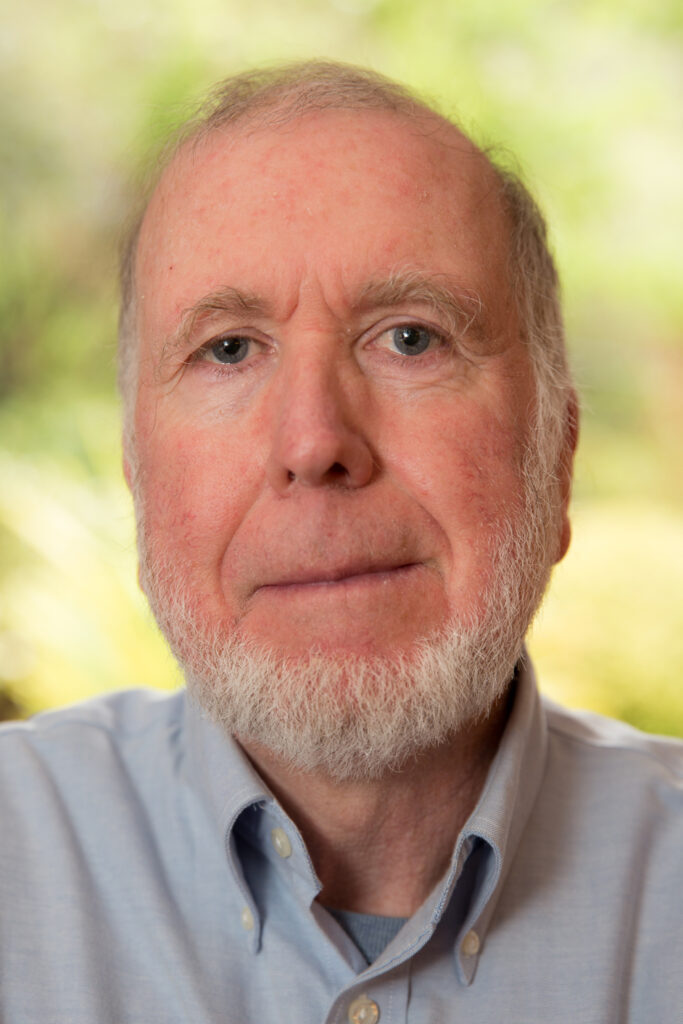
“The gating factor for most people’s dreams, they think is money. But it very rarely is.”
— Kevin Kelly
Looking for some fresh perspective on your family’s money-smart journey?
Kevin Kelly’s approaches to finances are sure to be conversation starters. Kevin is the Senior Maverick at Wired, an award-winning magazine he co-founded in 1993. He is also the co-chair of The Long Now Foundation, a membership organization that champions long-term thinking, and the founder of the popular Cool Tools website, which has been reviewing tools daily for 20 years. What’s more, Kevin has authored multiple best-selling books about the future of technology. His newest one, Excellent Advice for Living, contains 450 modern proverbs for a pretty good life.
Kevin is someone whom podcaster and author Tim Ferriss has described as the real-life “most interesting man in the world.” I love his writing and the radical optimism for which he is well known. (If you can’t tell, he is one of my intellectual heroes.) I hope you enjoy our wide-ranging discussion, which touches on topics from billionaires and dying broke to protopias and traveling Asia.
Links (From the Show)
- Connecting with Kevin
- Kevin’s website
- Kevin’s latest book, Excellent Advice for Living
- Kevin’s three-volume series, Vanishing Asia
- The WIRED magazine
- The Long Now Foundation
- The Cool Tools website
- The “Recomendo” newsletter
- Money-Smart Mentions
- Ursula Le Guin’s “The Ones Who Walk Away from Omelas“
- Michael Goldhaber’s WIRED article about a world without money
- The Wall Street Warriors docuseries
- Kevin’s appearance on the How I Write Podcast with David Perell
- Stephen Pollan and Mark Levine’s Die Broke
- Bill Perkins’ Die with Zero
- Morgan Housel’s The Psychology of Money
- Morgan Housel’s appearance on the How I Write Podcast with David Perell
- Michael Phillips’ The Seven Laws of Money
- Stewart Brand’s Whole Earth Catalog
- Richard Nelson Bolles’ What Color Is Your Parachute?
Show Notes (Find what’s most interesting to you!)
- Kevin as a “packager of ideas” [2:16]
- What is a “protopia”? And why is it better than its boring “utopia” counterpart? [4:57]
- Money’s losing importance as a meaningful metric [8:46]
- What Kevin has learned about money from being around billionaires [10:27]
- Kevin’s billion-dollar exercise [12:47]
- How much money do you need to realize your dreams? [13:31]
- How can looking into the past help kids save for the future? [14:37]
- Money as a familial versus an individual resource [20:50]
- Kevin makes the case for dying broke. [23:49]
- Why you shouldn’t try to be a billionaire [26:41]
- Money as gasoline [29:29]
- Kevin’s kids didn’t need access to a lot of money growing up. [32:55]
- A choice between private school and a new car [34:23]
- Kevin discusses working while in school. [35:08]
- “The most selfish thing you can do is to be generous.” [37:29]
- Kevin’s one-share approach to investing [41:55]
- Kevin’s monetary influences [43:08]
- The economic value of friendship [43:49]
- Money empowerment as access [45:37]
- Lessons learned by travel [45:53]
- “Money is a by-product of the good life.” [48:23]
- Being the only instead of the best [49:48]
- Another book recommendation [50:25]
- Kevin on the web [51:41]
Click here for the full transcript.
If you liked this episode …
Need more advice about promoting patience to your children as they learn about investing and saving? Writer and speaker Will Rainey offers strategies to help kids harness the power of patience on their money-smart journeys. Tune in to his episode of The Art of Allowance Podcast at 8:10 and 45:26 for some tactics. You can also stream this short about the benefits of long-term returns.
Geeking out about the possibilty of reimagining money? Then jump into the metaverse with tech guru and credit union innovator Brett Wooden! During his podcast appearance, he discusses the promise and peril of the metaverse and how it can redefine finance as we know it. Listen in at 3:39 for an introduction to this “brave new world,” and watch this short on how the metaverse can impact financial education.
Want to explore alternative ways to grow your kids’ wealth? Digital marketing expert James Robert Lay offers advice on how to do so through his concept of “non-monetary deposits.” Start streaming his Art of Allowance Podcast episode at 33:04 or view this short to learn more.
Please Subscribe
If you like this podcast, then please give us a review and subscribe to the show. The Art of Allowance Podcast is available on iTunes, Spotify, Stitcher, Radio Public and now Amazon Music. Subscribing is free, and it will help me produce more enriching content for you to enjoy. Thanks!
You might also want to check out The Art of Allowance Project, our reimagined program to get your children excited about money smarts at any age. Until next time, I wish you and your family well as you journey forth.
Thanks for listening!
John
Full Transcript
This transcript is from The Art of Allowance Podcast, Episode 67, featuring host John Lanza and guest Kevin Kelly.
00:00:00,119 [John Lanza]
Hello, and welcome to Episode 67 of the Art of Allowance podcast. I’m your host, John Lanza.
00:00:09,279 [Kevin Kelly]
You wanna focus on doing amazing things, of being your best self, of creating things of value, of-of trying to make good stuff and do good work. And that if you were focused on that, then you’d … the money would come, that- that you w … You didn’t want to focus on making the money.
00:00:34,559 [John Lanza]
Yeah. Yeah.
00:00:34,579 [Kevin Kelly]
That’s the thing. You wanted to focus on these other things, and the money is a by-product of this other stuff. The money is a by-product of the good life. Money is not the- a
00:00:42,879 [John Lanza]
Yeah
00:00:42,959 [Kevin Kelly]
… recipe for the good life. [upbeat music]
00:00:49,520 [John Lanza]
In this episode, I talk with Kevin Kelly. Kevin is Senior Maverick at Wired, an award-winning magazine he co-founded in 1993. I actually have a copy of that first issue. He is co-chair of the Long Now Foundation, a membership organization that champions long-term thinking, and he is founder of the popular Cool Tools website, which has been reviewing tools daily for 20 years. He’s also the author of multiple bestselling books about the future of technology, and his newest book is Excellent Advice for Living: A Book of 450 Modern Proverbs for a Pretty Good Life. Kevin is an intellectual hero of mine, and someone who podcaster and author Tim Ferriss described as the real-life most interesting man in the world. I love Kevin’s writing and the radical optimism for which he is well known, and I hope you enjoy my conversation with Kevin Kelly.
00:01:51,839 [John Lanza]
Today, I am honored to be talking with an intellectual hero of mine, Kevin Kelly. Welcome, Kevin.
00:01:59,139 [Kevin Kelly]
It’s my pleasure to be here. Thank you for inviting me.
00:02:02,659 [John Lanza]
Well, you’re welcome. And, uh, today you have yours truly, the Chief Mammal, interviewing the Chief Maverick of Wired magar … Magazine. But that title kind of hap … Uh, it hardly captures the breadth of your experience. And, uh, while I know this must be a difficult question for- for you to answer, can you kind of get us up to speed with your broad experience and helping us think about, like, y- technology, travel, and thinking itself? Just give us a little primer on, uh, Kevin Kelly.
00:02:30,979 [Kevin Kelly]
I call myself a packager of ideas. Some of those ideas are my own ideas. Often, they’re other people ideas, which is what a kind of magazine is.
00:02:40,359 [Kevin Kelly]
And, um,
00:02:43,199 [Kevin Kelly]
I am very visual thinker. I kinda began as a photographer, and, um, have always
00:02:53,259 [Kevin Kelly]
enjoyed art. I couldn’t decide after high school whether to go to art school or MIT because I was very interested in both
00:03:02,259 [Kevin Kelly]
science and art at the same time. So, um … And I still make art every day,
00:03:08,459 [Kevin Kelly]
and that’s a big thing for me. And that visual presentation is, um, what I earn my living as. And, um, more recently, um, uh, I’ve been more focusing on books instead of periodicals. And, um, now I’m trying to move into video because I think that’s where the center of the culture has moved to.
00:03:33,479 [John Lanza]
That’s good. Yeah, that- that gives me a good sense. And I, I’ve looked at a lot of the material you’ve created, and, uh, I- I really enjoyed your new book, uh, Excellent Advice for Living: Wisdom I Wish I Knew Earlier, ’cause that resonates. I imagine it resonates with a lot of people.
00:03:48,179 [Kevin Kelly]
If we’re visual, there’s our cover.
00:03:49,899 [John Lanza]
[laughs] There we go. I have it right here.
00:03:52,059 [Kevin Kelly]
Yeah.
00:03:52,319 [John Lanza]
Um, I feel like it kinda gets at one of the reasons that I created this podcast. I was mentioning it, uh, before we got started, which is … It’s like, I want to … I- I realized when we got into this, I started kind of getting kids excited about money learning. Then I realized I wrote a book for parents because it’s the book that I kind of wanted. But as I mentioned to you, I realized that it’s more about providing ideas for people so that then they can kinda pick and choose what’s gonna work for their different families. Um, and so that’s why this book really does resonate with me. AndI thought it would be a really fun opportunity to talk with you about that. Um, and I- I just love talking with people who I know will make me smarter, and [laughs]-
00:04:35,959 [Kevin Kelly]
Mm-hmm
00:04:36,019 [John Lanza]
… in turn, I know will help our audience get smarter. So, if we can start big picture, what I wanna do is just take like a 50,000-foot view. And to the extent that I can ever stick with any plan on one of these, uh, we’ll do that. And then we’ll come a little closer to the gra … to the ground with more tactical questions. So,
00:04:54,739 [John Lanza]
to kick things off, I’m actually gonna jump off of the book, but I think it was you who coined the term protopia. Um, I think it’s a good way to kick things off because it’s a very optimistic view. Can you share what you mean by this concept of protopia?
00:05:09,619 [Kevin Kelly]
Hmm. Yeah. So, um,
00:05:12,239 [Kevin Kelly]
i- in popular imagination, there’s kind of a polar extreme. At one end is utopia, which is this imaginary place that is sort of perfect, where there’s f- few or even maybe no problems, and things every … Work out, and people are very happy. And, uh, there’s equality as well. And- and so it’s this sort of utopia. We kn- we know … Everybody knows what the word means. It serves as heaven. At the other end is dystopia, which is hellish, which is this, um, place wh- where everything is a disaster and things become worse and worse. And we know what that looks like in the future because that’s what Hollywood gives us. Most of the science fiction
00:05:51,979 [Kevin Kelly]
stories are in a dystopia of some manner, from Mad Max to Terminator, to, even in some senses, Star Wars. A world in which there’s the imperial empire. And I think, uh … as we think about the future that
00:06:10,345 [Kevin Kelly]
we want to imagine the world that we want, and I think utopia is not feasible and not really even wanted. Uh, I think it would be boring. And so, I devised a term that’s sort of in the direction of utopia, but not there. And, and I call that protopia, which is this idea of progress, the “pro” in progress, the “pro” in pro- in prototyping early, the pro as in pro versus con. And this is an idea that
00:06:37,485 [Kevin Kelly]
the future can be a little bit better than today. It’s not gonna solve everything. In fact, there’ll be even more problems. But it’ll be
00:06:45,625 [Kevin Kelly]
1% or 10% or 5% better than 10 years ago or 100 years ago, and maybe only 1% better than a year ago. And at this incremental betterment is something that we can shoot for. And, um, we have the sense of the world getting better, but not by much.
00:07:10,205 [John Lanza]
I love it. Uh, I really, that, that idea of the optimistic future. You know, the interesting part when you were saying it, um, and I think you may have said this before on other podcasts, but it’s … When you have a concept like utopia, you just naturally have the opposite concept of dystopia, which I think protopia kind of fits just kinda squarely in the middle-
00:07:29,425 [Kevin Kelly]
Yeah
00:07:29,505 [John Lanza]
… which is a place that we can all kind of agree on.
00:07:31,305 [Kevin Kelly]
Right. It’s sort of, it’s, it’s not the extreme. It’s sort of moderate. It’s, in, in a certain sense, the future will be boring in that sense. You actually want the future to be boring.
00:07:39,585 [John Lanza]
[laughs] Right.
00:07:40,125 [Kevin Kelly]
You don’t want the extreme of a weird utopia where people kind of glide around and, um, it’s all kumbaya-in and there’s nothing happening, nor do you want the, the disaster of a dystopia. You want things to be kind of boring in a certain sense. You know, they want them … When things work, it’s boring.
00:07:58,385 [John Lanza]
Yeah.
00:07:58,525 [Kevin Kelly]
And we want them to work.
00:08:00,945 [John Lanza]
Yeah. Have you ever read the book, uh, The Story by Ursula K. Le Guin, The, uh, The Ones Who Walk Away From Omelas?
00:08:07,805 [Kevin Kelly]
No, I’m sorry, I haven’t.
00:08:09,585 [John Lanza]
Yeah, be- ’cause it’s a utopia, but it’s founded on this, you know, the rite of passage is that every person has to go and see the reason this p- utopia exists is because this one person has to live in absolute squalor forever, you know?
00:08:22,525 [Kevin Kelly]
[laughs]
00:08:23,305 [John Lanza]
And, uh, and then the ones who walk away are the ones who just can’t deal with this kind of-
00:08:27,945 [Kevin Kelly]
Yeah
00:08:28,025 [John Lanza]
… trade-off.
00:08:28,765 [Kevin Kelly]
Yeah, yeah, yeah, yeah. Yeah.
00:08:30,485 [John Lanza]
Um, so, uh, uh, protopia doesn’t have that issue, which is nice.
00:08:33,365 [Kevin Kelly]
Right, right. [laughs] And then no, and then-
00:08:35,165 [John Lanza]
So-
00:08:35,705 [Kevin Kelly]
Yeah, go ahead.
00:08:36,065 [John Lanza]
Go ahead.
00:08:36,845 [Kevin Kelly]
Well, you know, I, I know that you, you, you, you like to, to, to help people think about money and, um,
00:08:43,145 [Kevin Kelly]
uh, there is, there is a version, uh, one, one of the most, um, amazing articles that I read at Wired that I still think is provocative today, was an article written by Michael, Michael Gelpieterat the Uni- uh, Berkeley, University of California, who was saying he c- he was imagining a world that didn’t have any money at all, where money disappeared.
00:09:07,245 [John Lanza]
Mm-hmm, mm-hmm.
00:09:07,345 [Kevin Kelly]
Which is really, really hard. And he was saying that it gets replaced with other things like status.
00:09:14,025 [John Lanza]
Mm-hmm.
00:09:14,065 [Kevin Kelly]
And that in the same way that, uh, 500 years ago, the most important things for people were their titles.
00:09:20,605 [John Lanza]
Mm-hmm.
00:09:21,785 [Kevin Kelly]
And people fought and died over titles, not money.
00:09:26,025 [John Lanza]
Hmm. Yeah.
00:09:26,425 [Kevin Kelly]
And now we can’t imagine that that being that important. And he was saying this is, could be something like that, where you have an abundance of things made by,
00:09:36,665 [Kevin Kelly]
uh, robots and other kind of stuff, and that money starts to lose some of its importance as a-
00:09:44,045 [John Lanza]
Hmm
00:09:44,065 [Kevin Kelly]
… as a meaningful metric. And we see some hints of that,
00:09:49,245 [Kevin Kelly]
um, in, like, influencers and stuff where-
00:09:51,705 [John Lanza]
Mm-hmm, mm-hmm
00:09:52,445 [Kevin Kelly]
… they’re not trading for money. They’re trading for influence. They’re trading for status.
00:09:58,165 [John Lanza]
Right.
00:09:58,285 [Kevin Kelly]
And so, um,
00:10:00,385 [Kevin Kelly]
I, I just kind of throw that out and, you know, thinking about the future and thinking about a kinda preferable future that we would want-
00:10:08,525 [John Lanza]
Yeah
00:10:08,745 [Kevin Kelly]
… um, which is sort of what I think we should be doing right now. It may-
00:10:13,125 [John Lanza]
Yeah
00:10:13,245 [Kevin Kelly]
… may be that, that one of those futures might be where money itself has a diminished meaning in our lives.
00:10:21,545 [John Lanza]
Can you, can you go a little bit deeper on that? ‘Cause this is very interesting thread.
00:10:25,805 [Kevin Kelly]
Yeah. So, um, one of the things I’ve noticed is, is I’ve had the, the, the privilege of hanging around with a lot of billionaires.
00:10:34,125 [Kevin Kelly]
A billion is a lot of money, let me tell you that. And, and they have multiple billions. So, so multiple billionaires. Some of the richest people on the planet.
00:10:41,405 [Kevin Kelly]
What’s really interesting is that they have exactly the same iPhone that you have.
00:10:45,145 [John Lanza]
[laughs]
00:10:46,305 [Kevin Kelly]
Their iPhone is not a billion times better. Their clothes are not a billion times better. Their food is not a billion times better.
00:10:53,765 [John Lanza]
Mm-hmm.
00:10:55,665 [Kevin Kelly]
In a certain sense, beyond a certain threshold, th- those extra zeros are actually more imprisoning than anything else. They, they, they, there, there isn’t the meaningful difference in peoples’ lives because of that. So, at the high end,
00:11:15,045 [Kevin Kelly]
it’s sort of true where
00:11:18,085 [Kevin Kelly]
that, that money is less meaningful. If we could imagine a world where we used, continue to use technology to bring people out of poverty into middle class, and from middle class into rich cla-richness-
00:11:30,845 [John Lanza]
Mm-hmm
00:11:31,105 [Kevin Kelly]
… it may be that, that, that along that way that
00:11:34,805 [Kevin Kelly]
other things become more important to us-
00:11:37,825 [John Lanza]
Yeah
00:11:37,985 [Kevin Kelly]
… than, than, you know, it was like your social status, your reputation-
00:11:44,165 [John Lanza]
Yeah
00:11:44,185 [Kevin Kelly]
… the number of followers that you have. Those are things that, um,
00:11:50,405 [Kevin Kelly]
people work for. In other words, they, they, you know, they don’t need to work for it to have an, a, a more money to do another meal, ’cause they have enough money for a meal. They, they’ll work for something else. They’ll work for recognition. They’ll work for having their name known. And, and-
00:12:05,205 [John Lanza]
Mm-hmm
00:12:05,225 [Kevin Kelly]
… and I think,
00:12:07,885 [Kevin Kelly]
I think that may be pertinent today, because I think that’s- … true already, in a certain extent.
00:12:15,203 [Kevin Kelly]
That you actually wanna be working for these other things, and if you do, oh, by the way, money will come along-
00:12:23,943 [John Lanza]
Mm-hmm
00:12:24,284 [Kevin Kelly]
… uh, as you do that.
00:12:27,083 [John Lanza]
Yeah, it’s, it’s such an interesting question because as you’re talking about it, it’s, it is hard to really conceptualize that concept, but I think your framing of, of saying that, you know, if you’re in the kind of, say, billionaire class, that money becomes weirdly, ironically less important. Yeah.
00:12:46,643 [Kevin Kelly]
So, so one of the things I, I, that I exercise, that I’ve done with my kids when they were kind of in college a- age was, I said, “Okay, I’m, I’m, I’m a, I’m a wizard. I’m, I’m a wizard from the future. I have this magic wand and I’m going to give you a billion dollars.”
00:13:03,043 [John Lanza]
Hmm.
00:13:03,944 [Kevin Kelly]
So you need to tell me what you’re gonna do with a billion dollars.
00:13:08,063 [Kevin Kelly]
And then they start to have these things. “Well, you know, maybe I would, um, buy a car and then …” Or, “Maybe I’ll travel around the world,” or, “Maybe I will build a house or something.”
00:13:18,223 [John Lanza]
Hmm.
00:13:18,263 [Kevin Kelly]
It’s like, okay, um, you’ve just spent maybe a million dollars. You still have a billion dollars. You haven’t, you haven’t done anything with that.
00:13:26,843 [John Lanza]
[laughs] Right.
00:13:28,423 [Kevin Kelly]
Okay? And, and all, so the, the, the thing is, is that most people’s dreams,
00:13:34,943 [Kevin Kelly]
they think they need more money for it, but it’s very, very rare where that’s true.
00:13:40,703 [John Lanza]
Yeah. Yeah.
00:13:41,183 [Kevin Kelly]
There’s, there’s a famous scene in, I think, uh, Wall Street Warriors, I can’t remember what it was, but this guy is thinking of going to Wall Street. He’s gonna endure all the, the terrible work life in Wall Street because he wants to save enough money. He’s gonna cash out and then he’s gonna buy a-
00:13:58,023 [John Lanza]
Mm-hmm
00:13:58,123 [Kevin Kelly]
… motorcycle and ride across China.
00:14:00,883 [John Lanza]
Mm-hmm.
00:14:01,343 [Kevin Kelly]
And
00:14:02,643 [Kevin Kelly]
us travelers laugh because you couldn’t-
00:14:06,503 [John Lanza]
[laughs]
00:14:06,503 [Kevin Kelly]
… work at McDonald’s for six months and earn enough money to buy a motorcycle and ride across China.
00:14:13,123 [John Lanza]
Right, right.
00:14:13,783 [Kevin Kelly]
And so, um,
00:14:16,683 [Kevin Kelly]
and so what I’m saying is, is that i- in a certain sense, the, the gating factor for most people’s dreams, they think is money, but it very rarely is. It’s all these-
00:14:26,303 [John Lanza]
Yeah
00:14:26,403 [Kevin Kelly]
… other things.
00:14:27,503 [John Lanza]
Those are all great points to think about. I, uh, I appreciate that. I’m not surprised that you’re giving us a lot of, uh, food for thought, at least giving me a lot of food for thought. So thank you for that.
00:14:36,303 [Kevin Kelly]
Mm-hmm.
00:14:36,983 [John Lanza]
Um, staying kind of broad, perspective-wise, um, I know you’re a member of the, uh, founding board member of The Long Now Foundation. Um, and in your book you have this quote, um, it’s, uh, “Investing small amounts of money over a long time works miracles-“
00:14:53,263 [Kevin Kelly]
Yeah.
00:14:53,283 [John Lanza]
“… uh, but no one wants to get rich slow.” And you have some other quotes in there kind of related to this as well.
00:14:59,343 [Kevin Kelly]
Yeah.
00:14:59,403 [John Lanza]
Um, I may have swallowed that. I mean, I wanna say, “But no one wants to get rich slow”-
00:15:03,903 [Kevin Kelly]
Right
00:15:04,043 [John Lanza]
… which is, uh, so true. So I’d like to know if you have kind of any advice to help our kids get a longer … Kids especially, get a longer term perspective because it’s such a difficult thing to do, and it is the key element of money smarts, and we’ve all heard if we’ve spent any time kind of looking at Warren Buffett, people will know the number is just like 97 to 99% of his wealth, I’m forgetting the number, but some huge amount of it came after age 50, right? Just through the power of compounding. So, um, any perspective that, uh, you wanna share on that?
00:15:40,703 [Kevin Kelly]
Believe it or not, um,
00:15:43,383 [Kevin Kelly]
spending time with history is one of the best ways, and I hated history in high school. Maybe it was the age, maybe it was the way they taught it. It was probably the way they taught it. As I traveled more, I became really interested in the history of the places I was traveling in, and I started to really read, and that really, um, continued to, um, educate me, and I found that, um, to be a good … To think about the future well, you have to have a good sense of the past. So, the best futures I know are all really great historians.
00:16:17,323 [John Lanza]
Mm-hmm.
00:16:17,623 [Kevin Kelly]
And so I would say, um, that’s one thing is, is to help a genuine,
00:16:24,843 [Kevin Kelly]
um, illumination of, of, of, of the past, of history, because-
00:16:30,463 [John Lanza]
Mm-hmm
00:16:30,683 [Kevin Kelly]
… through, because you can’t see
00:16:33,503 [Kevin Kelly]
a 1% improvement in the present, but you can see it accumulated over the past and that’s called civilization. And so-
00:16:40,583 [John Lanza]
Yeah
00:16:40,723 [Kevin Kelly]
… um, the more time and the, and the more sense that a young person can have of the past and, and the actual, the reality of progress-
00:16:51,343 [John Lanza]
Mm-hmm
00:16:51,603 [Kevin Kelly]
… that can give you a lot of confidence to try and take a-
00:16:55,443 [John Lanza]
Yeah
00:16:55,523 [Kevin Kelly]
… longer view of where we’re going.
00:16:57,803 [John Lanza]
Yeah, I like that. I’m really surprised that you said you hated history. So I’m curious, in high school, so you were thinking about MIT or art school. So were you in, what were you into reading? ‘Cause I assume you were, maybe it’s a bad assumption, but I assume you were a reader. Um-
00:17:13,383 [Kevin Kelly]
Well, yeah, yeah, I was a reader, but I read science.
00:17:16,683 [John Lanza]
Yeah.
00:17:17,163 [Kevin Kelly]
And science fiction.
00:17:18,923 [John Lanza]
Okay. Yeah. Got it.
00:17:19,463 [Kevin Kelly]
And, um, and I did art, and I did, you know, photography and art and stuff, but I, I didn’t read about art or sci- or, but I read about, I read science and science fiction, and-
00:17:30,663 [John Lanza]
Yeah
00:17:30,803 [Kevin Kelly]
…
00:17:32,543 [Kevin Kelly]
um, um, history was,
00:17:36,483 [Kevin Kelly]
I had no [laughs] inter- I don’t know. It was just like, um-
00:17:40,523 [John Lanza]
[laughs]
00:17:40,703 [Kevin Kelly]
And that-
00:17:41,123 [John Lanza]
Yeah
00:17:41,183 [Kevin Kelly]
… but as I said, that changed as I would arrive at a place,
00:17:47,023 [Kevin Kelly]
and that was very different, and you, you, you, you would be looking for clues about why this is-
00:17:53,263 [John Lanza]
Mm-hmm
00:17:53,283 [Kevin Kelly]
… and then you’d, you’re forced into reading history.
00:17:56,363 [John Lanza]
Yeah.
00:17:56,423 [Kevin Kelly]
You’re forced into reading where they were coming from, and that, I, I was sort of experiencing history in that sense. And then of course as I-
00:18:05,283 [John Lanza]
Yeah
00:18:05,383 [Kevin Kelly]
… traveled further into remote, remote places, I actually was in a time machine where I was-
00:18:12,543 [John Lanza]
Mm-hmm
00:18:12,543 [Kevin Kelly]
… going back in time and living with the people who were living hundreds of years ago …. unchanged. And that-
00:18:19,586 [John Lanza]
Yeah
00:18:19,705 [Kevin Kelly]
… again, that experience of history was much different than getting a bunch of dates, um, about, um, things. And then, uh, you know, the more, the more you get into it, the more you realize that there is … The history is, what’s the word I want? Um,
00:18:37,185 [Kevin Kelly]
it’s like other things, that there’s interpretations, there are disagreements.
00:18:41,406 [John Lanza]
Yeah.
00:18:41,426 [Kevin Kelly]
You would think the past is sort of known-
00:18:44,285 [John Lanza]
Mm-hmm
00:18:44,585 [Kevin Kelly]
… and settled.
00:18:46,226 [John Lanza]
Yeah, yeah.
00:18:47,125 [Kevin Kelly]
But it’s like everything else. Um, it can be, you can be creative in it as well.
00:18:54,625 [John Lanza]
Yeah, yeah, ’cause you’re right, ’cause, uh, what we have from history are just who, whoever has actually-
00:19:00,125 [Kevin Kelly]
Stories
00:19:00,205 [John Lanza]
… written the history.
00:19:01,205 [Kevin Kelly]
Yeah.
00:19:01,226 [John Lanza]
Right.
00:19:01,586 [Kevin Kelly]
Right.
00:19:01,845 [John Lanza]
Yeah, yeah.
00:19:03,285 [John Lanza]
Now that’s, uh, well, you, ’cause, um, uh, you have a book. Uh, it’s called Vanishing Asia, right?Where you, uh, you document, um, kind of things that are, uh, vanishing, I think for this kind of very reason, right? You’re trying to make sure that, uh, the history is captured, at least pictorially, um, as well.
00:19:21,785 [Kevin Kelly]
Right. Yeah.
00:19:22,945 [John Lanza]
Yeah.
00:19:23,285 [Kevin Kelly]
So I spent 50 years traveling in remote parts of Asia photographing, documenting the, the, the festivals, the traditions that were disappearing very quickly. And, um,
00:19:35,005 [Kevin Kelly]
and that, that, that period of time of traveling
00:19:39,105 [Kevin Kelly]
was in part where I got my optimism.
00:19:41,465 [John Lanza]
Mm-hmm.
00:19:41,485 [Kevin Kelly]
And that, and, and that was, um, seeing the ability of people to change their lives and improve their lives through the use of technology, and getting a sense of what modernity was about and why people were leaving these beautiful villages and going into gritty
00:20:00,825 [Kevin Kelly]
slums in the city. Um, and, and that, um,
00:20:06,145 [Kevin Kelly]
they were, you know, they were moving forward. And so, that, that, um, experience, again, um, might be something that young people would help them have a sense of the f- uh, long-term, is, is to see that kinda change, th- or to experience that kinda change themselves.
00:20:25,625 [John Lanza]
Yeah, yeah. Well, that’s a good … This is, uh, uh, a great segue to my next question ’cause it has to do with travel. I, I was listening to you on your recent conversation on How I Write with David Perell, and I think you said there that you, you’re probably one of the most well-traveled persons alive, if not the most well-traveled person alive. [laughs]
00:20:44,805 [Kevin Kelly]
In, in, in Asia, in Asia.
00:20:46,525 [John Lanza]
In Asia, okay. Um, so this is admittedly a broad question, but are there ways you’ve seen other cultures deal with money that might be helpful-
00:20:56,525 [Kevin Kelly]
Hmm
00:20:56,845 [John Lanza]
… for Americans to think about money more constructively? It’s possible that this is, that there isn’t anything here, but I just, I had to ask you that.
00:21:04,905 [Kevin Kelly]
Um,
00:21:06,205 [Kevin Kelly]
there is something that, that, that, well, there is a general attitude in a lot of Asian families, and that is that the money of the family and the members of the family is communal. It’s, it’s, it’s family money.
00:21:21,865 [John Lanza]
Mm-hmm.
00:21:22,245 [Kevin Kelly]
It’s not uncommon,
00:21:24,905 [Kevin Kelly]
um, for a
00:21:27,905 [Kevin Kelly]
sibling to be working at a job,
00:21:31,045 [Kevin Kelly]
giving their money to the family to pay for another sibling’s education. And, and vice versa, the, the, the, the, the parents kind of will often pay for things that American families would not-
00:21:42,745 [John Lanza]
Mm-hmm
00:21:43,065 [Kevin Kelly]
… um, with the idea that it’s, it’s the family, you know, you, it’s the family money and the children have access to the family money. And they, the idea would be that as it, as the, um, parents get older, the kids will then-
00:21:57,425 [John Lanza]
Yeah
00:21:57,445 [Kevin Kelly]
… fund, pay for them, you know, while, while they weren’t working.
00:22:01,505 [John Lanza]
Yeah.
00:22:01,625 [Kevin Kelly]
So that’s a, that, that’s a very different kind of view of money as a family resource rather than an individual resource.
00:22:12,205 [John Lanza]
Yeah, yeah.
00:22:12,905 [Kevin Kelly]
And, um, when you have that shift,
00:22:16,865 [Kevin Kelly]
you know, that’s, that’s a, that’s a big shift. And, and by the way, there, there are many advantages and many disadvantages. You know, there’s plus and minuses. There’s-
00:22:25,505 [John Lanza]
Yeah
00:22:25,665 [Kevin Kelly]
… in, in, in that. And, and part of that is there’s, in, in, in those cultures, there’s a word that they use a lot that has disappeared from American culture.
00:22:37,405 [John Lanza]
Hmm.
00:22:37,805 [Kevin Kelly]
That’s the word duty.
00:22:40,125 [John Lanza]
Hmm, yeah.
00:22:40,525 [Kevin Kelly]
Obligation.
00:22:42,165 [John Lanza]
Yeah.
00:22:43,745 [Kevin Kelly]
It, it, it was present in America a long time ago. People had a duty to things, an obligation. And, um, we’ve done,
00:22:54,165 [Kevin Kelly]
uh, w- we’ve almost eliminated that from … We have lots of rights. We, we talk about rights, but we never talk about responsibilities,
00:23:04,745 [Kevin Kelly]
right? So you, you have rights as a citizen, but we don’t talk about the responsibilities as a citizen. You have, you know, rights as a young person, but what are your responsibilities? And so, um, the Asian cultures have a little bit more of that sense of responsibility, obligation, and duty, which can be toxic at time, but-
00:23:23,305 [John Lanza]
Mm-hmm
00:23:23,545 [Kevin Kelly]
… um, empowering other times. And money is a part of it.
00:23:28,445 [John Lanza]
Yeah. Have you ever heard of that, uh, I forget who wrote this, but they, uh, they said, “We should have, so we have the Statue of Liberty on the East Coast. We should have a Statue of Responsibility-“
00:23:37,965 [Kevin Kelly]
Yeah.
00:23:38,045 [John Lanza]
“… somewhere in San Francisco on the West Coast.”
00:23:40,105 [Kevin Kelly]
Yeah.
00:23:40,665 [John Lanza]
Um-
00:23:41,185 [Kevin Kelly]
Yeah
00:23:41,205 [John Lanza]
… which is a interesting concept.
00:23:43,065 [Kevin Kelly]
Right.
00:23:43,545 [John Lanza]
But-
00:23:43,565 [Kevin Kelly]
So yes, we don’t talk about, what are the responsibilities of, of having money? But go ahead.
00:23:48,565 [John Lanza]
Yeah. Well, I wanted to ask you if the … It sounds like what you’re talking about there with the way, um, Asian families deal with money, uh, communally, informed something you’ve s- I’ve heard you say before, which is that if you’re gonna give money away, you know, do it earlier rather than-
00:24:06,185 [Kevin Kelly]
Yeah
00:24:06,365 [John Lanza]
… yeah, later. Uh, can you talk a little bit about that?
00:24:10,845 [Kevin Kelly]
Yeah. Um,
00:24:13,345 [Kevin Kelly]
I, I read two books. One was Die Broke, and the other one was, I think, Zero something. Both of them talk about- … this idea, which I had not really thought very deeply about, of, um, the benefits of dying broke. Of- of basically giving away any money you’re gonna give, give it away before you die. And the advantages-
00:24:34,319 [John Lanza]
Yeah
00:24:34,339 [Kevin Kelly]
… of that, is- is … So, anyway, so, so there’s a co- a very common thing that people talk about, I was just talking about this the other day, are people who want money, who seem to have enough, is they want to pass on money to their kids. And-
00:24:45,259 [John Lanza]
Mm-hmm, mm-hmm
00:24:45,460 [Kevin Kelly]
… uh, there are, there is lots to talk about that, the- the good and bad about that. But, um-
00:24:49,819 [John Lanza]
Yeah
00:24:49,940 [Kevin Kelly]
… one of the things is- is that if- if you have any intention to do that, if you do it while you’re alive, there’s several advantages. One is that you get to have much more control in how it’s given than when you die. Because when you die, there’s no control whatsoever. And secondly-
00:25:07,299 [John Lanza]
Yeah
00:25:07,380 [Kevin Kelly]
… you get the joy of- of that. And thirdly, for most people,
00:25:15,319 [Kevin Kelly]
getting the money in their 30s and 40s is a lot more meaningful and- and- and higher leverage than getting it when they’re 60 or 70.
00:25:23,119 [John Lanza]
Yeah.
00:25:23,799 [Kevin Kelly]
It’s more meaningful to them. It’s more useful. So-
00:25:27,099 [John Lanza]
Yep
00:25:27,199 [Kevin Kelly]
… so, so, so, so, so that’s the general, that’s the general premise, is that, um, whatever you are going to give, um,
00:25:37,639 [Kevin Kelly]
it’s much better for everybody involved to try and do it
00:25:41,659 [Kevin Kelly]
while you’re around. And, you know, that will lead to very productive conversations about
00:25:50,059 [Kevin Kelly]
what the purpose of this is. Um…
00:25:52,559 [John Lanza]
Yeah.
00:25:54,919 [John Lanza]
It’s, uh, it- it is an interesting concept and it makes me think I, uh … I’m sure you’re familiar with Morgan Housel-
00:26:01,379 [Kevin Kelly]
Yeah
00:26:01,499 [John Lanza]
… um, author of The psych- Psychology of Money, and I just heard him, I think it was actually on the same podcast. [laughs] It was on How I Write. Um, and he was saying, there’s- there’s a- the other- another side of this, which is that he was advising a very wealthy family, um, about how to deal with the, how to raise kids who are not, basically not spoiled, right?
00:26:23,879 [Kevin Kelly]
Right, right, right, right.
00:26:24,279 [John Lanza]
And he was shocked at how well they had done with that. And a lot of it came down to his- his … From talking to various families, it wasn’t just his family, but talking to various families, his sense is that it really comes down to limiting the money that goes to the kids, right?
00:26:39,799 [Kevin Kelly]
Absolutely, absolutely.
00:26:40,379 [John Lanza]
Yeah, yeah.
00:26:41,059 [Kevin Kelly]
Yeah, so- so one of the things that I tell people,
00:26:43,599 [Kevin Kelly]
my bits of advice that’s not in the book, is try really, really, really hard never to have a billion dollars.
00:26:50,419 [John Lanza]
[laughs] Yeah.
00:26:52,099 [Kevin Kelly]
R- r- really work, do not, and under the circumstances, you know, 100 million, okay, that’s fine, but not a billion. And- and that is, is that it’s incredibly incredible burden for your, for your kids.
00:27:04,279 [John Lanza]
Mm-hmm.
00:27:04,359 [Kevin Kelly]
No matter what solution you’re gonna try and come up with. That is a very heavy weight, very distorting, very …
00:27:13,119 [Kevin Kelly]
It’s- it’s- it’s- it’s- it’s a- it’s a burden.
00:27:16,879 [John Lanza]
Mm-hmm.
00:27:17,339 [Kevin Kelly]
Absolutely, it’s a burden.
00:27:18,479 [John Lanza]
Yeah, yeah.
00:27:19,159 [Kevin Kelly]
And so, um…
00:27:22,519 [Kevin Kelly]
And so, yeah, so- so- so the kids that inherit a billion dollars, it’s- I- I- it’s unbelievably,
00:27:30,019 [Kevin Kelly]
um, stressful.
00:27:33,299 [John Lanza]
Yeah, and it won- I wonder about this, uh, the- the family that Morgan was talking about, I forget what the age of the kids were, because at some point they’re going to know. I don’t- I don’t think they knew-
00:27:42,099 [Kevin Kelly]
Right, right-
00:27:42,379 [John Lanza]
… the wealth of the family
00:27:42,759 [Kevin Kelly]
… you’re kind of shielding them from- from-
00:27:44,939 [John Lanza]
Yeah
00:27:45,119 [Kevin Kelly]
… that lifestyle and- and- and not focusing on it. But at a certain point, the reality will sink in and, um, it’s a heavy thing. It’s- it’s a really-
00:27:55,299 [John Lanza]
Yeah
00:27:55,319 [Kevin Kelly]
… heavy thing. And particularly if you
00:27:57,939 [Kevin Kelly]
raise very forthright, upstanding, morally, um, focused kids, that’s even harder because they will-
00:28:06,679 [John Lanza]
Yeah
00:28:06,699 [Kevin Kelly]
… feel that responsibility of doing something with that. And it just tends to kind of take over all the decisions. There’s- there’s always this thing there that you have to kinda deal with. And you’re, you can’t be free of it. Well, you could, but that even itself is a project as people …There are a couple of pe- of b- of people who have … Now there’s pledges to- to give away 50%, but there are some people who tried to give away everything. Charles Finney, who, um, with Atlantic did that. It was billions of dollars-
00:28:36,759 [John Lanza]
Mm-hmm
00:28:36,779 [Kevin Kelly]
… that he succe- successfully gave away right before he died, as he … But he, he was really dedi-it became his full-time job. [laughs]
00:28:46,399 [John Lanza]
[laughs]
00:28:47,759 [Kevin Kelly]
Do you want that as your job? Well, maybe yes, maybe no.
00:28:50,939 [John Lanza]
Yeah, yeah.
00:28:53,339 [John Lanza]
Okay, so I wanna swoop down a little bit closer to the ground here from our 50,000-foot view and, uh, I’m just gonna read a few quotes from your book. Uh, you say, “Our family does X, and then children totally accept and crave family rules. For example, in our family, we have a rule for X.” Um, you also say, “Your behavior, not your opinions, will change the world.”
00:29:15,679 [Kevin Kelly]
Yeah.
00:29:15,839 [John Lanza]
And then you also say, uh, “The greatest teacher is called doing.”
00:29:19,619 [Kevin Kelly]
Right.
00:29:19,979 [John Lanza]
Um, there’s probably other quotes that maybe kind of address what I’m trying to get at here, uh, even better, and if you’re feel- feel, uh, free to, uh, fill in here. But this being The Art of Allowance podcast, I- I like to go a little bit granular, um, because I wanna know about the strategies and tactics that you use to help give your kids experience and perspective using money-
00:29:41,799 [Kevin Kelly]
Mm-hmm
00:29:42,019 [John Lanza]
… in any way. And the more granular, I always think the better, because I just think it’s useful for parents to listen and grab ideas that they think, you know, they can talk, they can say, “Uh, that idea is not gonna work for my family,” or, “That idea is not gonna work for this kid in my family.”
00:29:56,859 [Kevin Kelly]
Yeah.
00:29:57,159 [John Lanza]
But I’d love your perspective on, um, on that and, uh, how you d- how you kinda raised your kids thinking about money.
00:30:04,419 [Kevin Kelly]
Yeah. I’m- I’m glad you said, “Um, it may not work for the kid,” because there is, there is, even within a family, um, variation, we’ll say, between kids and their, and their temperament and their attitude and their interests, et cetera. So, uh, w- w- the- the one thing, maybe you can tell from the general tone of the conversation, is- is that I, um … We wanted the kids to be very money-smart without being overly concerned or obsessed with money. So, so-
00:30:36,729 [John Lanza]
Yeah
00:30:36,750 [Kevin Kelly]
… there was a sense in which we cast most questions about this in the, in the, in the general perspective that
00:30:47,389 [Kevin Kelly]
money was more like, like gasoline.
00:30:52,369 [Kevin Kelly]
It would power your car to do the things you wanted to do, but the point of touring and driving the car wasn’t to visit all the gas stations and collect-
00:31:01,049 [John Lanza]
[laughs]
00:31:01,129 [Kevin Kelly]
… as much gas money as possible. Okay?
00:31:05,090 [Kevin Kelly]
And so, um, I like, I like to … Walt Disney quote, which I kind of rephrased in my book, which is, um, Disney said, “We don’t make, um,
00:31:16,229 [Kevin Kelly]
we don’t make, um, movies to make money. We make money so we can make movies.”
00:31:21,090 [John Lanza]
Mm-hmm. Yeah.
00:31:21,949 [Kevin Kelly]
And, and I … That kind of attitude was kind of repeated in this, in conversations about money was, was that … This was like, um,
00:31:32,149 [Kevin Kelly]
you needed, you know, it’s a tool. And that you could do-
00:31:34,709 [John Lanza]
Yeah
00:31:34,809 [Kevin Kelly]
… and again, that you could … And, and so we would try to do things without money, you know, just, just stuff from cardboard, try to recycle, very thrifty. There was a sense in which you …
00:31:45,769 [Kevin Kelly]
We didn’t want money to be the focus of things that you’re doing. One of my daughters was, from a very early age, from like
00:31:57,769 [Kevin Kelly]
six or seven, got this idea that she wanted to be a businesswoman.
00:32:02,089 [Kevin Kelly]
And I … It wasn’t from either of her parents, she- and or her … anybody around her. But she … One of the things she [laughs] asked for when, I don’t know, maybe she was 10, for her birthday, well, she wanted a coin changer thing.
00:32:12,449 [John Lanza]
[laughs]
00:32:13,489 [Kevin Kelly]
You know, the little thing that had the coins and stuff.
00:32:15,509 [John Lanza]
Sure. Yeah. Yeah.
00:32:15,829 [Kevin Kelly]
And she had an adding machine and she would pretend to have little businesses and stuff. Was like, “Wow.” So, um, she had an interest in, in, in those kinds of things that, say, my other daughter did not.
00:32:29,649 [John Lanza]
Would she go out and use that? Like, was she doing, like, lemonade stands or she was using-
00:32:34,389 [Kevin Kelly]
No.
00:32:34,429 [John Lanza]
So she, she wanted that specifically to, to be money changing.
00:32:38,849 [Kevin Kelly]
Yep. She did-
00:32:40,109 [John Lanza]
Wow
00:32:40,169 [Kevin Kelly]
… chocolate chip cookies at the street and stuff.
00:32:42,109 [John Lanza]
Nice.
00:32:42,429 [Kevin Kelly]
It was her whole thing.
00:32:42,969 [John Lanza]
Yeah.
00:32:42,989 [Kevin Kelly]
And she was very, very tickled that she had a profit and all that kinda stuff. And so-
00:32:48,929 [John Lanza]
Yeah
00:32:49,029 [Kevin Kelly]
… um,
00:32:50,729 [Kevin Kelly]
so for her, yeah, I mean, we, we, we, um, we did things. In general, the family, we had, um…
00:32:59,629 [Kevin Kelly]
We didn’t have very much of a allowance system. We had, I think …
00:33:05,469 [Kevin Kelly]
I’m trying to remember, but it was very minimal-
00:33:08,349 [John Lanza]
[laughs] Yeah
00:33:08,769 [Kevin Kelly]
… uh, thing in, in kind of high school.
00:33:13,449 [Kevin Kelly]
Um,
00:33:15,309 [Kevin Kelly]
I don’t remember, but, but luckily, my kids didn’t really demand that. They were fine with, with whatever it was, but, uh, it was a f-
00:33:23,189 [John Lanza]
Yeah
00:33:23,289 [Kevin Kelly]
… it was dol- you know, dollars, a few dollars here and there, kind of lunch money.
00:33:27,349 [John Lanza]
Yeah, yeah. Yeah.
00:33:28,469 [Kevin Kelly]
And part of … Th- they did not have a lot of time-
00:33:32,509 [John Lanza]
Yeah
00:33:32,669 [Kevin Kelly]
… with the study and sports to even spend the money, so it was kind of like enough to buy-
00:33:38,169 [John Lanza]
Yeah
00:33:38,189 [Kevin Kelly]
… some gifts for Christmas or whatever. Um, so, so, so they didn’t have access to, um, or, or need access to a lot of, of money. There was a couple things where they wanted, you know … My son want online subscription to a game thing, okay? So we negotiate that.
00:33:56,309 [John Lanza]
Sure. Yep.
00:33:57,009 [Kevin Kelly]
Um, so, so, so in a certain weird sense of, uh, uh … Now that I’m thinking about it, actually, they haven’t thought about in their lives that much. They didn’t.
00:34:04,789 [John Lanza]
Yeah, yeah.
00:34:05,969 [Kevin Kelly]
Um, I, I think … I’m trying to think, um … I think we did talk about the cost of things a lot.
00:34:13,449 [John Lanza]
Okay.
00:34:13,809 [Kevin Kelly]
And, um, we made it clear kind of like, [laughs] you know, how much we were spending on their schooling. We wanted them-
00:34:20,049 [John Lanza]
Yeah, yeah
00:34:20,369 [Kevin Kelly]
… to be aware of that. And also, when they went to high school, um,
00:34:27,889 [Kevin Kelly]
I, I, I would tell them, “Here’s the thing, here’s the choice every year. Here’s your choice. You can go to this, um, private school
00:34:39,629 [Kevin Kelly]
or you can go to public school and we give you a new car.”
00:34:41,829 [John Lanza]
[laughs]
00:34:44,089 [Kevin Kelly]
It’s your choice.
00:34:45,789 [John Lanza]
Yeah, yeah.
00:34:47,089 [Kevin Kelly]
And every year, they’d have to make that decision.
00:34:50,129 [John Lanza]
Yeah.
00:34:50,249 [Kevin Kelly]
If that’s what it was.
00:34:52,309 [John Lanza]
Did any of them choose the new car?
00:34:53,529 [Kevin Kelly]
No.
00:34:53,889 [John Lanza]
[laughs]
00:34:57,269 [John Lanza]
That’s funny.
00:34:58,109 [Kevin Kelly]
But we would have, yeah. It was like-
00:34:59,929 [John Lanza]
Yeah
00:35:00,089 [Kevin Kelly]
… “That’s your choice.”
00:35:01,429 [John Lanza]
Yeah. Yeah, I like … That’s what I li- I like hearing different ideas of people-
00:35:05,649 [Kevin Kelly]
Yeah
00:35:05,789 [John Lanza]
… what people tried. So, so you had this kind … So you had … But I … It sounds like they, because they had a lot of activities-
00:35:11,989 [Kevin Kelly]
Yeah
00:35:12,089 [John Lanza]
… they probably weren’t … during the school year, probably weren’t working, I assume.
00:35:15,349 [Kevin Kelly]
Right.
00:35:15,429 [John Lanza]
Right?
00:35:16,209 [Kevin Kelly]
Yeah.
00:35:16,389 [John Lanza]
Uh, did they do-
00:35:17,189 [Kevin Kelly]
None, none of my kids-
00:35:18,469 [John Lanza]
I- it made … Yeah
00:35:18,569 [Kevin Kelly]
… worked during, um, high school.
00:35:23,229 [John Lanza]
Okay.
00:35:23,429 [Kevin Kelly]
They did volunteer work, but they didn’t work for money.
00:35:25,509 [John Lanza]
Yep.
00:35:26,049 [Kevin Kelly]
Yeah.
00:35:26,429 [John Lanza]
Yeah.
00:35:26,789 [Kevin Kelly]
Yeah. And, um-
00:35:27,809 [John Lanza]
Um
00:35:27,829 [Kevin Kelly]
… yeah.
00:35:29,589 [John Lanza]
Did they do … Did they do summer jobs or did … Was it just … No? Okay. And they were doing volunteer work.
00:35:35,869 [Kevin Kelly]
They’re doing volunteer work in camps and basically it was an extension of school, sports stuff.
00:35:41,129 [John Lanza]
Got it.
00:35:41,729 [Kevin Kelly]
And, um,
00:35:43,629 [Kevin Kelly]
for better or for worse, but that’s sort of the, the way that went. I, I think our …
00:35:49,789 [Kevin Kelly]
Yeah. And when I was growing up, I was one of five, growing up in the ’50s and ’60s.
00:35:55,409 [John Lanza]
Mm-hmm. Yep.
00:35:56,689 [Kevin Kelly]
And I had one brother who was really into that, into money and making money. And he had a job at the 7-Eleven all through high school, and he was the only one out of us that wanted to work. We …
00:36:11,429 [Kevin Kelly]
I mean, we had some other jobs, summer jobs, but, um, he worked-
00:36:14,689 [John Lanza]
Mm-hmm
00:36:14,709 [Kevin Kelly]
… all year round, uh, as a, you know, in school, because he … And he wanted that so that when he graduated,
00:36:22,649 [Kevin Kelly]
he wanted to buy a car.
00:36:24,689 [John Lanza]
Yeah.
00:36:24,829 [Kevin Kelly]
It was a very focused thing.
00:36:27,009 [John Lanza]
Yeah.
00:36:27,309 [Kevin Kelly]
Um, and so, um, so, so I don’t know. So I, I didn’t grow up with, um, working a lot in high school except for the summer.
00:36:36,859 [John Lanza]
Dad
00:36:36,879 [Kevin Kelly]
… um, but, but that wasn’t … My- my- my wife didn’t either. She was, she’s Asian.
00:36:42,379 [John Lanza]
Yeah.
00:36:42,499 [Kevin Kelly]
Came from the sense of the family is going to provide to you while you’re in school.
00:36:47,939 [John Lanza]
Mm-hmm.
00:36:48,160 [Kevin Kelly]
So you don’t have to worry about that.
00:36:50,439 [John Lanza]
Yeah.
00:36:52,299 [John Lanza]
But you modeled … Did you model a kind of frugality? Was that-
00:36:55,519 [Kevin Kelly]
Oh, yeah. Oh, yeah.
00:36:55,900 [John Lanza]
Or just was it more … Yeah, yeah.
00:36:57,579 [Kevin Kelly]
My wife is number one frugal Asian person. So, so, so, so my kids are basically, uh, my son is very frugal. My, my second daughter’s pretty frugal. My first daughter is less. Um, so I think we were modeling that.
00:37:14,200 [John Lanza]
Yeah. It’s funny. It is funny how they, how it works out ’cause, uh, we have that, like, our older daughter’s a little less frugal.
00:37:20,380 [Kevin Kelly]
Yeah.
00:37:20,560 [John Lanza]
Younger daughter [laughs] doesn’t like to spend money. Um, and it’s-
00:37:25,200 [Kevin Kelly]
Yeah
00:37:25,339 [John Lanza]
… you know, it’s just, just different personalities.
00:37:27,499 [Kevin Kelly]
Right.
00:37:27,979 [John Lanza]
Okay. Um, I, I want to read, uh, two quotes from your book and then ask you another question. Um, so, uh, one is, “Perhaps the most counterintuitive truth of the universe is that the more you give to others-“
00:37:42,459 [Kevin Kelly]
Yeah.
00:37:42,659 [John Lanza]
“… the more you’ll get. Understanding this is the beginning of wisdom.” And then you also say, “When you give away 10% of your income, you lose l- lose 10% of your purchasing power, which is minor compared to the 110% increase in happiness that you will gain.” I’d love for you to go a little bit deeper on giving and the power to use money-
00:38:03,959 [Kevin Kelly]
Yeah
00:38:03,980 [John Lanza]
… in essence to buy happiness.
00:38:06,279 [Kevin Kelly]
Right, right. So, so I actually
00:38:09,099 [Kevin Kelly]
have another version of that same kind of sentiment, which is, um,
00:38:13,800 [Kevin Kelly]
the most selfish thing you can do, if you’re a completely selfish person, is to be generous.
00:38:19,619 [John Lanza]
Hmm.
00:38:20,379 [Kevin Kelly]
That’s the paradox.
00:38:22,499 [John Lanza]
Yeah.
00:38:22,800 [Kevin Kelly]
The most … If you were, if you were really kind of like, “I’m the most utilitarian, rational, selfish person,” well, then you want to be as-
00:38:29,980 [John Lanza]
[laughs]
00:38:29,980 [Kevin Kelly]
… generous as possible because that’s really [laughs] the way it works.
00:38:33,800 [John Lanza]
Yeah.
00:38:33,819 [Kevin Kelly]
And so, um,
00:38:36,319 [Kevin Kelly]
yeah, so, so we tried to, um …
00:38:40,339 [Kevin Kelly]
We try to make it clear that you wanna be giving even when you have n- very little money. That, that it was not a matter of, well, you, you save up, you get to some level and then you start giving. No, no, no, giving and tithing is, is, is something that you do even when you have a very little amount. And one of the ways we did that was we, we had, um, a gift fund, a fidelity gift fund, which I highly recommend, and I can explain what-
00:39:06,260 [John Lanza]
Mm
00:39:06,280 [Kevin Kelly]
… that is. And we would have the-
00:39:07,999 [John Lanza]
Mm-hmm
00:39:08,100 [Kevin Kelly]
… we would make as family,
00:39:10,439 [Kevin Kelly]
um … We’d have, uh, uh, meetings and then as a family decide, um, where to, where to make those gifts.
00:39:18,999 [John Lanza]
Got it.
00:39:19,219 [Kevin Kelly]
And even though it wasn’t their money, again, it was just kind of family money, this idea of the family as an issue.
00:39:25,060 [John Lanza]
Mm-hmm.
00:39:25,259 [Kevin Kelly]
But also giving them, getting them into the, the habit of, of, of, of doing that. Um-
00:39:32,719 [John Lanza]
Yep
00:39:32,859 [Kevin Kelly]
… just, uh, as a recommendation, the, the way that works is, is that you, um,
00:39:42,519 [Kevin Kelly]
gift … You give money to this fund and you get the tax donations of that gift, which goes-
00:39:51,019 [John Lanza]
Mm-hmm
00:39:51,159 [Kevin Kelly]
… to an index fund.
00:39:53,299 [John Lanza]
Mm-hmm.
00:39:53,579 [Kevin Kelly]
It’s a stock.
00:39:55,419 [John Lanza]
Yep.
00:39:56,119 [Kevin Kelly]
That then increases the value over time.
00:40:00,219 [John Lanza]
Mm-hmm.
00:40:00,559 [Kevin Kelly]
But that money has to be only spent or given, you direct the, the fund to fund the ones that you want. They have to be a 501[c][3], they have to be a nonprofit in order to receive the money.
00:40:11,499 [John Lanza]
Yeah.
00:40:11,979 [Kevin Kelly]
So once the money goes into it, it has to be spent on nonprofits and charitable … But while it’s in there, it’s com- it’s like, it’s like a index fund. It’s, it’s investment.
00:40:20,499 [John Lanza]
Yeah.
00:40:20,979 [Kevin Kelly]
So you can-
00:40:21,539 [John Lanza]
Right
00:40:21,699 [Kevin Kelly]
… increase the value as long as you’re kind of giving more than … Putting more in than you give out a year.
00:40:28,099 [John Lanza]
Yeah.
00:40:28,139 [Kevin Kelly]
And so it’s v- and also, here’s the other thing, you can gift stock to it.
00:40:35,019 [John Lanza]
Mm.
00:40:35,659 [Kevin Kelly]
Which means that if you have a, some stock that has appreciated hugely-
00:40:42,679 [John Lanza]
Yep
00:40:42,859 [Kevin Kelly]
… rather than sell it and pay the tax on that, you can gift it at its high value-
00:40:50,219 [John Lanza]
Mm-hmm
00:40:50,279 [Kevin Kelly]
… into the fund-
00:40:52,819 [John Lanza]
Yeah
00:40:52,859 [Kevin Kelly]
… and then, um, you know, take the, the tax incentive. So that’s a, that’s a mechanical-
00:41:00,559 [John Lanza]
Yeah
00:41:00,579 [Kevin Kelly]
… you know,
00:41:02,259 [Kevin Kelly]
recommendation for a family.
00:41:04,559 [John Lanza]
Yeah, that’s, uh … Yeah, that’s a, that’s great. A fidelity gift fund.
00:41:08,899 [Kevin Kelly]
Yes.
00:41:09,019 [John Lanza]
Okay, terrific. Nice. I like that idea. I like … ‘Cause I like that idea ’cause we have, uh, I mean, that’s kind of a broader version of what we call the Share jar. Because by putting … We had our kids, you know, putting money into this Share jar on a consistent basis, then when something comes up, they’re not making … There’s not an opportunity cost decision about whether I can spend this money or not. It can only be used for something charitable. And so you’re trying to find those charitable ideas.
00:41:36,819 [Kevin Kelly]
Yeah, right.
00:41:36,979 [John Lanza]
That’s kind of the idea.
00:41:37,759 [Kevin Kelly]
Right.
00:41:38,019 [John Lanza]
So, which makes a lot of sense.
00:41:38,999 [Kevin Kelly]
Yeah, so we would-
00:41:39,599 [John Lanza]
And then it becomes kind of fun.
00:41:40,599 [Kevin Kelly]
Right, it is. And so we would have a family decision and we also have each kid could decide for some, you know, couple thousand dollars, whatever it is-
00:41:48,739 [John Lanza]
Yeah
00:41:48,799 [Kevin Kelly]
… um, they get a choice. And so they have to kind of do the research or think about what it is that you want to … And, and also, by the way, um, in that kind of educational thing, when my kids were young, I also, um, said, “Okay,” um, this is when etray first began and we could do individual things very easily. I said, um,
00:42:09,139 [Kevin Kelly]
um, “I’m gonna buy one stock, o- one share of a stock for you.”
00:42:13,439 [John Lanza]
Yeah. Yeah.
00:42:13,719 [Kevin Kelly]
“What di- what should it be?” And I did that-
00:42:17,519 [John Lanza]
Yeah
00:42:17,539 [Kevin Kelly]
… um, just so then, just to kind of like, you know, keep track of it.
00:42:21,879 [John Lanza]
Sure.
00:42:21,919 [Kevin Kelly]
So they own one share-
00:42:24,099 [John Lanza]
Yeah
00:42:24,459 [Kevin Kelly]
… of a, of a stock.
00:42:26,239 [John Lanza]
Nice. And if they, uh, if they pick the right stock, that could be worth some serious money.
00:42:30,899 [Kevin Kelly]
Exactly.
00:42:31,399 [John Lanza]
[laughs]
00:42:32,179 [Kevin Kelly]
My one daughter, she didn’t know very much. She said, “I want the Gap.” ‘Cause ca- ’cause she knew the Gap.
00:42:38,441 [John Lanza]
[laughs] Yeah, yeah. Now did you have, do you have a, do you have a monetary, uh, do you have an amount? Because what if someone said, “Berkshire Hathaway?” Would you have them- [laughs]
00:42:44,901 [Kevin Kelly]
They didn’t know anything about that.
00:42:46,602 [John Lanza]
I know, I know. I’m kidding. [laughs]
00:42:49,541 [Kevin Kelly]
[laughs] They didn’t know anything. It was more … And, and actually that’s a very good strategy, is to, um …
00:42:55,221 [John Lanza]
Yeah.
00:42:56,362 [Kevin Kelly]
So, um, yeah, it’s, it’s to invest into things that you l- use and love.
00:43:02,301 [John Lanza]
Yeah.
00:43:03,661 [John Lanza]
All right, I wanna ask you a few, uh, questions before we get to our fast and fun round of questions. Uh, which is, uh, who’s the most in- influential person in your life when it comes to the way that you think about money?
00:43:14,081 [Kevin Kelly]
Think about money?
00:43:15,961 [John Lanza]
Yes.
00:43:18,001 [Kevin Kelly]
Um, that’s a good question. Stewart Brand, uh, is, was very influential, um, in how I think about lots of things.
00:43:28,801 [John Lanza]
Mm-hmm.
00:43:29,182 [Kevin Kelly]
Um, and I think, um, through The Whole Earth Catalog there was a guy, Michael Phillips, who wrote a book called The Seven Laws of Money.
00:43:37,801 [John Lanza]
Mm-hmm.
00:43:39,201 [Kevin Kelly]
That was very influential to me very early on. So it was through some of the people, um, in The Whole Earth Catalog realm. Um, so Michael Phillips was kinda the first
00:43:52,802 [Kevin Kelly]
to
00:43:54,781 [Kevin Kelly]
talk about something that I, that, that, that I think I made in, in, in, uh, made some advice in the book. Which was that basically, um, in many ways, friends are better than money.
00:44:05,841 [John Lanza]
Hmm.
00:44:06,062 [Kevin Kelly]
A friend with a boat-
00:44:07,142 [John Lanza]
Oh, yeah
00:44:07,361 [Kevin Kelly]
… is much better than owning a boat.
00:44:08,601 [John Lanza]
Yeah.
00:44:08,621 [Kevin Kelly]
I can tell you that 100%.
00:44:10,161 [John Lanza]
That’s … I quoted you this weekend when I was in, uh, Seattle-
00:44:14,062 [Kevin Kelly]
Yeah? [laughs]
00:44:14,662 [John Lanza]
… looking at the boats.
00:44:16,021 [Kevin Kelly]
Right.
00:44:16,821 [John Lanza]
I said it to my wife.
00:44:17,981 [Kevin Kelly]
And, and here, and here’s the thing, people with boat are always dying for people to come, come with them. They, they’re, they’re, they’re, they’re always looking for an excuse to go out and to use that boat and have someone-
00:44:29,441 [John Lanza]
Mm-hmm.
00:44:29,742 [Kevin Kelly]
So, so if you are someone who likes to go out,
00:44:33,001 [Kevin Kelly]
make friends with someone with a boat and you’ll be best friends. And so, anyway. Um, so, so Michael-
00:44:38,321 [John Lanza]
So that, that comes from the, the, that book, Michael Phillips book?
00:44:40,461 [Kevin Kelly]
Yeah, yeah. He was talking … Yeah, he was talking-
00:44:41,861 [John Lanza]
Okay
00:44:41,901 [Kevin Kelly]
… about the …
00:44:44,581 [Kevin Kelly]
the value of having friends and the v- the value of, of those kinds of-
00:44:49,621 [John Lanza]
Mm
00:44:49,741 [Kevin Kelly]
… of networks and the sort of, the economic value of it in a certain weird sense.
00:44:53,681 [John Lanza]
Yeah. Yeah.
00:44:54,301 [Kevin Kelly]
And so, um,
00:44:56,501 [Kevin Kelly]
and so, so some of those ideas came from Michael Phillips’ Seven Laws of Money, um, and, and Stewart, um, who I think kind of acted them out. Um,
00:45:07,461 [Kevin Kelly]
and so that was, that was pretty influential on me.
00:45:11,601 [John Lanza]
Nice. We’ll put all that information in the, uh, uh, in the show notes and fami- people who aren’t familiar, Stewart Brand is the founder or co-founder of The Whole Earth Catalog.
00:45:22,081 [Kevin Kelly]
Right, right.
00:45:23,261 [John Lanza]
Um, and Long Now Foundation, right?
00:45:25,301 [Kevin Kelly]
Yes. Right, right.
00:45:26,101 [John Lanza]
Yeah. Okay, so are you ready for our fast and fun round of great questions?
00:45:30,041 [Kevin Kelly]
I am ready, Kevin. Shoot me.
00:45:31,481 [John Lanza]
[laughs] You’ve weathered Tyler Cowen’s questions, so you can weather my questions fairly easily. What does the term ‘money empowered’ mean to you?
00:45:40,841 [Kevin Kelly]
Money e- empowered?
00:45:43,141 [John Lanza]
Money empowered, yes.
00:45:45,781 [Kevin Kelly]
Um, ooh.
00:45:48,921 [Kevin Kelly]
I don’t know. I guess we have access to money.
00:45:52,681 [John Lanza]
All right. And then, what’s the best investment of time or money you’ve ever spent on your kids?
00:45:59,521 [Kevin Kelly]
Oh. I was going to say, um, yes. I would have to say is, is, is traveling in, in remote places. Um, and-
00:46:07,521 [John Lanza]
Hmm
00:46:07,541 [Kevin Kelly]
… and, and, and there’s a story about that.
00:46:10,841 [Kevin Kelly]
Um, I, I think t- there’s probably
00:46:14,981 [Kevin Kelly]
not as many things that we have done with them as in terms of investing into the future that paid off as much as that travel. But I have to say that when they were young and traveling,
00:46:26,061 [Kevin Kelly]
it was not evident, and I was a little dismayed that they-
00:46:30,041 [John Lanza]
Hmm
00:46:30,101 [Kevin Kelly]
… were kind of not paying attention or not-
00:46:34,541 [John Lanza]
Mm-hmm
00:46:34,801 [Kevin Kelly]
… appreciating it or whatever. And I would say to parents, i- is that, “Don’t worry, they will.” And that when they’re very young, they just can’t process it. They don’t … They can’t integrate it. And so our kids came back to those travels over time again and again, so they reprocessed them and they became even more valuable to them. And that, that-
00:46:57,141 [John Lanza]
Yeah
00:46:57,281 [Kevin Kelly]
… the things that they saw were,
00:47:00,081 [Kevin Kelly]
um … There was multiple lessons, including, um-
00:47:03,361 [John Lanza]
Yeah
00:47:03,521 [Kevin Kelly]
…
00:47:05,141 [Kevin Kelly]
how lucky they were, right? I mean, th- they began to see their own privilege in that sense-
00:47:10,741 [John Lanza]
Sure
00:47:10,861 [Kevin Kelly]
… and understanding that. And secondly, um, understanding that there’s more than one way to, to solve a problem because there’s people who were have solving very different ways. And then thirdly-
00:47:21,641 [John Lanza]
Mm-hmm
00:47:22,321 [Kevin Kelly]
… the, uh, realizing the, the value of, of having, uh, diversity and having a different ways of thinking. And those are the kinds of really … And, and, and I think also, you know, again, um,
00:47:35,601 [Kevin Kelly]
uh,
00:47:37,501 [Kevin Kelly]
un- uh, understanding at a very deep level the kind of universality of our humankind and our situation, which is, um, something that they don’t … It’s not abstract. It’s not, uh, it’s not a theory.
00:47:50,081 [John Lanza]
Hmm.
00:47:50,341 [Kevin Kelly]
It’s something you can feel.
00:47:51,441 [John Lanza]
Yep.
00:47:52,841 [John Lanza]
Yep.
00:47:54,461 [John Lanza]
Wonderful. Yeah, that travel, that’s, uh, that’s fantastic. They had a, they had a pretty good guide, uh-
00:48:00,121 [Kevin Kelly]
Yeah. [laughs]
00:48:01,441 [John Lanza]
… [laughs] take them on the travels.
00:48:02,581 [Kevin Kelly]
Yeah, yeah. We d- we, we had some great times.
00:48:05,841 [John Lanza]
So, um, so you have this whole book, which I think started with you writing down stuff-
00:48:09,861 [Kevin Kelly]
Yeah
00:48:10,081 [John Lanza]
… for your, like, for your kids, right?
00:48:11,741 [Kevin Kelly]
Right.
00:48:11,761 [John Lanza]
That’s how it started, but … On your, uh, your, uh, one-year birthdays.
00:48:15,961 [Kevin Kelly]
Yeah, yeah. Yeah.
00:48:15,981 [John Lanza]
Um, so what … Is there any particular piece of advice … I mean, this is kind of a, a very reductionist question, but what advice do your kids, I always ask, like, do you most hope that they will heed? But is there any, uh, particular advice you wanna just kind of call out that you think is, uh, that you, that you hope that, uh, clicks for them most?
00:48:37,901 [Kevin Kelly]
Um, yeah. So I think we, we, we, we- … maybe repeating myself that, um, I- I- I think we- we- we-we tried to give them a lesson that
00:48:50,664 [Kevin Kelly]
you wanna focus on doing amazing things, of being your best self, of creating things of value, of- of trying to make good stuff and do good work. And that if you were focused on that, then you’d … the money would come. That- that you wo- you didn’t wanna focus on making the money.
00:49:15,983 [John Lanza]
Yeah. Yeah.
00:49:16,163 [Kevin Kelly]
That’s the thing. You wanted to focus on these other things, and the money is a by-product of this other stuff. The money is a by-product of the good life. Money is not the-
00:49:24,283 [John Lanza]
Yeah
00:49:24,363 [Kevin Kelly]
… recipe for the good life.
00:49:27,143 [John Lanza]
Yeah.
00:49:27,343 [Kevin Kelly]
It’s the by-product that comes out of it, th- then that you would keep doing the things and have enough to keep doing the thing. And so-
00:49:36,063 [John Lanza]
Yeah
00:49:36,143 [Kevin Kelly]
… the goal was to keep doing the thing. And I think, I think most of the kids, uh, or kids got that message because they seem to be doing their thing.
00:49:47,443 [John Lanza]
Very nice. And if you could transmit a message that everyone would see, this is obviously inspired by-
00:49:53,343 [Kevin Kelly]
Yeah
00:49:53,363 [John Lanza]
… Tim Ferriss but, uh, sky-written, billboard, wherever, and-
00:49:57,623 [Kevin Kelly]
Yeah. Yeah
00:49:57,943 [John Lanza]
… anything you want.
00:50:00,003 [Kevin Kelly]
Don’t aim to be the best, be the-
00:50:03,883 [Kevin Kelly]
be the only.
00:50:05,583 [John Lanza]
Mm.
00:50:06,903 [Kevin Kelly]
Don’t aim to be the best-
00:50:07,883 [John Lanza]
That is-
00:50:08,163 [Kevin Kelly]
… be the only.
00:50:10,303 [John Lanza]
Great advice. Comes from the book and, uh,
00:50:14,223 [John Lanza]
it’s, uh, it’s wonderful. Thank you, Kevin.
00:50:17,303 [John Lanza]
Um, another very hard question, but [laughs] what’s- what’s the one parenting or … I- I, you know what, I’m not even gonna qualify it. What is an interesting book that you go back to or you gift the most often that kind of relates-
00:50:31,243 [Kevin Kelly]
Hmm
00:50:31,303 [John Lanza]
… to what we’ve been talking about?
00:50:32,183 [Kevin Kelly]
Do- do you mean just the money? Um, I don’t know … Um,
00:50:36,743 [Kevin Kelly]
have I given my kids any money books? I haven’t. I gave them all, um, What Color Is My Parachute.
00:50:44,023 [John Lanza]
Hmm.
00:50:44,643 [Kevin Kelly]
Which is a- was a perennial best-selling book about career advice. And the v- and, um, it was very, very
00:50:55,223 [Kevin Kelly]
comprehensive from the overview down-
00:50:57,203 [John Lanza]
Yeah
00:50:57,343 [Kevin Kelly]
… to the details about what you wanna do if you have a resume or … and whether you even want to have a resume. And, um,
00:51:05,803 [Kevin Kelly]
and- and so- so all my kids got that and I think it was very really helpful in helping them think about, um, trying to work and, um, how to get a job basically. Um, and so
00:51:21,003 [Kevin Kelly]
that’s still …
00:51:23,503 [Kevin Kelly]
Maybe it hasn’t been updated ’cause I think the author passed, but, um-
00:51:26,963 [John Lanza]
Mm
00:51:26,983 [Kevin Kelly]
… I- I- I still would ha- wouldn’t … I thi- I still would hand that to somebody when they were first starting out, looking for a job.
00:51:34,723 [John Lanza]
Nice. I’m familiar with the book, with that book, but I’ve never read it, so …
00:51:37,983 [Kevin Kelly]
Yeah.
00:51:38,183 [John Lanza]
… maybe I’ll take another look. Good. And, um, how can people find you, uh, on social media or the web?
00:51:45,443 [Kevin Kelly]
Yeah. Uh, it’s my initials, KK.
00:51:49,403 [Kevin Kelly]
Kevin Kelly, KK at … kk.org is- is the website where our blogs and recommendations and newsletters and podcasts all hide in its, um, capacity. And my email’s been public for 35 years. I’m not hard to find.
00:52:05,723 [John Lanza]
[laughs]
00:52:06,483 [Kevin Kelly]
Um, so, um,
00:52:10,383 [Kevin Kelly]
yeah. Um, and then we do … I’m glad you mentioned Recomendo because that is a free newsletter of stuff that I recommend, um, with my partners, um, every week on Sunday for free. We have a little s-one-pager. It’s kinda like F- Five Bullet Friday. A little one-pager on stuff that we recommend of things to do, watch, buy, see, follow, etc.
00:52:35,123 [John Lanza]
Yeah. Well, I can give that a hearty recommendation ’cause it is- it is a must-read for me every week, so I appreciate the work you guys are doing.
00:52:44,123 [Kevin Kelly]
Yeah.
00:52:44,143 [John Lanza]
There’s always something great in there. And, uh, and then of- of course, uh, Excellent Advice for Living: Wis- Wisdom I Wish I’d Known Earlier, you can get that at your finer bookstores and on Amazon. Probably pretty much anywhere, right?
00:52:56,263 [Kevin Kelly]
Yes, it is.
00:52:56,843 [John Lanza]
[laughs]
00:52:56,863 [Kevin Kelly]
It’s available everywhere. Thank you again-
00:52:59,063 [John Lanza]
Yeah
00:52:59,143 [Kevin Kelly]
… for your
00:53:00,863 [Kevin Kelly]
sharing, uh, of time with you and I- I really enjoyed this.
00:53:04,503 [John Lanza]
Yeah.
00:53:04,523 [Kevin Kelly]
It was a lot of fun. [instrumental music]
00:53:09,303 [John Lanza]
Kevin Kelly is a font of wit and wisdom and I’m so glad I was able to share his insights with you on the podcast. I also have a soft spot for anyone else born in New Jersey.
00:53:22,003 [John Lanza]
I love Kevin’s idea of the protopia, and I’m glad we wrapped up with this conversation about money being a by-product of doing great work, because I think we can all agree that a world like that would be a wonderful protopia in which to live. [instrumental music] I really appreciate you taking your valuable time to listen to this episode. I hope you found it useful. You can find detailed show notes for this and all past episodes at themoneymammals.com. That’s T-H-E-M-O-N-E-Y-M-A-M-M-A-L-S.com. Just click the Podcast & Blog link at the top of our home page to discover our entire podcast archive. And if you like my work here, please, please leave a rating, or even better, a review on whichever service that you use to stream these podcast episodes. You are part of our money-smart movement, and this podcast plays an important role in that movement. Your rating and review will help other people like us find this material. And lastly, if you’d like three ideas to help you raise money-smart kids delivered directly to your inbox each week, I think you’ll really love my weekly newsletter. Just click on the little purple circle with the chat icon at themoneymammals.com and select “Get Our Newsletter”. Of course, please consult with an investment or financial professional before engaging in any decisions that might affect your financial well-being. And until next time, don’t forget to enjoy the journey. [instrumental music]