“We make it [money] such a serious conversation. It can be fun, we just need to make it fun and kids have a way of letting it be fun.”
— Tom Henske
How can parents ensure the money conversations they have with their kids actually matter?
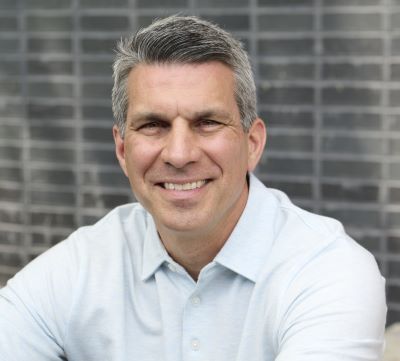
Guest Tom Henske offers several strategies during his second appearance on The Art of Allowance Podcast. A leader in the financial industry for nearly three decades, Tom began his career in financial planning in 1994 with Cowan Financial Group. He then soon started his own company, Henske Advisors. They were acquired in 2003 by National Financial Partners (merging them into Lenox Advisors), which went public shortly thereafter. Tom remained an equity partner until 2020, when he retired to focus solely on matters of life insurance and building the Total Cents platform.
Links (From the Show)
- Tom on the Web
- Tom’s book, It Makes Total Cents: 12 Conversations to Change Your Child’s Future
- Tom’s podcast, It Makes Total Cents
- Total Cents on the Web
- Money-Smart Mentions
- Morgan Housel’s The Psychology of Money: Timeless Lessons on Wealth, Greed, and Happiness
- Our compound interest infographic
- Gary Keller and Jay Papasan’s The One Thing: The Surprisingly Simple Truth Behind Extraordinary Results
Show Notes (Find what’s most interesting to you!)
- How Tom’s experience as a financial advisor, parent and soccer coach influenced his new book [2:25]
- The pitfalls of “tell me about your day”: why meaningful conversations feature prominently in It Makes Total Sense [4:06]
- Asking questions without answering them [6:16]
- Overcoming parental reservations about money conversations [6:48]
- Advice for when two parents are not on the same page financially [10:21]
- Tom’s most challenging financial conversation: What if a teen is making a lot of money? [14:19]
- What do kids need to know about insurance? [17:02]
- The “Jedi mind tricks” of money conversations: the Rule of 72 and compound interest [22:57]
- Giving kids financial angels on their shoulders [26:41]
- Why parents should want to be mimicked by their kids [27:40]
- Continuing the money conversation with older kids: Asking them for help to teach them the money lessons they still need to learn [30:10]
- Is “risk profile” a useful term for kids to understand (outside of their own experiences)? [33:22]
- Talking to kids about taxes [37:14]
- A soccer analogy [41:00]
- Tom’s earliest memory of a money conversation with his parents [43:09]
- The impact of kids’ learning about money at home [44:33]
- The process and end goal of money empowerment [46:39]
- Dinner time and car rides [48:08]
- “Work hard, and make good choices.” [49:10]
- Pause / stop / think [50:27]
- Interacting with Tom’s book and podcast (Even via TikTok!) [54:33]
- Relying on mail as a catalyst for conversation [56:49]
Click here for the full transcript.
If you liked this episode …
Interested in another perspective on the Rule of 72? During his appearance on The Art of Allowance Podcast, former NFL player and current CFP Jedidiah Collins explains the Rule of 72 and discusses inflation as a teaching tool. Watch this video short, or tune in at 21:42.
Curious about continuing the money conversation with your (almost) adult kids? Mom and money maven Bobbi Rebell offers tips for keeping this important discussion going even after children have landed jobs. Give her Art of Allowance Podcast episode a listen at 7:46 for all the details.
Want to hear more from Tom? He shares lots of wisdom in his original Art of Allowance Podcast appearance, including interesting ways to use matching to teach children money values, a new bedtime ritual to consider and cryptocurrency allowance (seriously).
Please Subscribe
If you like this podcast, then please give us a review and subscribe to the show. The Art of Allowance Podcast is available on iTunes, Spotify, Stitcher, Radio Public and now Amazon Music. Subscribing is free, and it will help me produce more enriching content for you to enjoy. Thanks!
You might also want to check out The Art of Allowance Project, our reimagined program to get your children excited about money smarts at any age. Until next time, I wish you and your family well as you journey forth.
Thanks for listening!
John
Full Transcript
This transcript is from The Art of Allowance Podcast, Episode 60, featuring host John Lanza and guest Tom Henske.
00:00:00,240 [John Lanza]
Hello, and welcome to episode 60 of The Art of Allowance Podcast. I’m your host, John Lanza.
00:00:08,720 [Tom Henske]
I think you need to give your kids th- a few phrases that they, that stick in their head so that when you’re not there, they remember it. So for example, um, pay yourself first is one. Um, for diversification in investing, I taught my kids never make a killing, never get killed, right? And they mimic me. John, you know you’re winning as the parent when they mimic you. So don’t get mad. Like, so if they say to you, “Oh, yeah, Dad, never make a killing, never get killed,” that’s the best thing.
00:00:42,980 [John Lanza]
[laughs]
00:00:43,340 [Tom Henske]
Because i- if they’re repeating it, you know when they get to be 30, they’re gonna be thinking to themselves, “Okay, diversify.” And by the way, the sick joke is that when they get to be 40 or 50, they’re telling their kids the same thing, and then their kids are mimicking them.
00:00:58,560 [John Lanza]
[upbeat music] Today I am talking with my friend and co-conspirator in the money smart movement, Tom Henske. Tom has been a leader in the financial industry for nearly three decades. He started his career in financial planning in 1994 with Cowan Financial Group. Shortly thereafter, he started his own company, Henske Advisors. In 2003, they were acquired by National Financial Partners, merging them into Lenox Advisors, which went public shortly thereafter. Tom remained an equity partner until 2020, when he retired to focus solely on matters of life insurance and helping parents raise money smart kids with his Total Cents program. Tom’s new book, It Makes Total Cents, centers around 12 conversations parents should have with their kids about money, and it serves as the foundation for today’s conversation. Oh, and by the way, Tom won three national championships as the goalie for the University of Virginia. Impressive. Let’s dive into my conversation with Tom Henske.
00:02:12,160 [John Lanza]
[upbeat music] Today I am talking with a friend and a partner in the money smart movement, Tom Henske. Welcome, Tom.
00:02:21,960 [Tom Henske]
John, how are you?
00:02:24,000 [John Lanza]
I am very good. And first, I want to congratulate you on your new book, It Makes Total Cents, and I think that’s a good place to start things off. So I want you to kind of tell us a little bit about yourself, and really what brought you to writing this wonderful book.
00:02:40,540 [Tom Henske]
Well, I’ve been a financial advisor for 27 years, and so when you’re a financial advisor for 27 years, you see a lot of the good, the bad and the ugly. So, and even after 27 years, I’m still amazed that there’s not a better way to teach kids about money, and I think that’s why you and I are kindred souls. It’s like, uh, I always … I find it a blast that I’m on your podcast. It’s like, uh, you- I feel insecure because you know more about the stuff than I do. But I, I definitely, uh, learned a lot over that 27-year period. Uh, I was also a high school varsity soccer coach for 11 years. So if you think about that combination of dealing with 15, 16, 17-year-olds, uh, every season for two and a half months, and then knowing what I know about finance, and also being a parent of two teenagers myself, it really gave me this unique perspective that we need to do a better job, right? So, uh, I wanted to just go out there and have my Jerry Maguire moment, where I, I’m attempting to help you change the world and at least make it front of mind for parents that they have to talk to their kids about money.
00:04:00,240 [John Lanza]
Well, in the spirit of Jerry Maguire, “Show me the money,” Tom.
00:04:04,500 [Tom Henske]
[laughs]
00:04:04,560 [John Lanza]
So …
00:04:06,640 [John Lanza]
can you tell us why did you center everything around the importance of having conversations with your kids about money?
00:04:14,440 [Tom Henske]
Well, you know, it’s funny. Uh, I could give you the answer that really sounds good, but I’ll tell you, John, it was really about running out of things to talk about at family dinner during COVID and during the pandemic. So the whole, “Tell me about your day,” yeah, that really fell flat on its face every single night, especially when your kids are locked in their rooms, taking school in front of a computer. It was not a good time. So I just said to myself, “Okay, n- now is a good time to have meaningful conversations and scrap the tell me about your day.” So I, I think that that’s, uh, getting back to that dinner time as sacred time for a family to grow as a unit, uh, to learn about each other individually, to have, uh, what I would call spirited debates at times, uh, and differences of opinion, and how do you articulate those differences of opinion, being a good listener when it’s your time to listen. I just felt like that dinner time was so magical, and I didn’t want to use it on just, you know, how is the weather type conversation.
00:05:26,060 [John Lanza]
Well, I totally get that because the answer to that question, usually from a teenager, you know, it’s like, “How was your day?” It’s, “Ugh.”
00:05:32,780 [Tom Henske]
Yeah.
00:05:32,920 [John Lanza]
And you really-
00:05:33,500 [Tom Henske]
How was your day? Good. What’s new? Nothing.
00:05:36,570 [John Lanza]
[laughs]
00:05:36,690 [Tom Henske]
How was math? Fine. Right? [laughs]
00:05:40,300 [John Lanza]
And they really, you do have to have different conversation points, and you have to … And it’s kind of like peeling back the onion. You have to kind of ask the question multiple times, and then finally you might actually get to, uh, some kind of content that’s useful or might stir debate. So I think that’s really useful information, and I can imagine, especially during the, the period of COVID when you’re all spending all this time together, that you-Had to have kind of real creative ways of asking questions of your kids to actually get some engagement, right?
00:06:12,844 [Tom Henske]
Yeah. And you know what the other part about it is, really interesting, John, it’s really hard when you ask a question to not try to answer it for them. Right? Because I think as parents, something got screwed up probably between ages 30 and 50, where we felt like we needed to ask a question and also give the answer.
00:06:33,214 [John Lanza]
[laughs]
00:06:33,284 [Tom Henske]
And part of the, the beauty of those conversations is letting them feel like they are an adult at the table, and talking like an adult, and them feeling like you’re treating them like an adult. And as you’ve heard me say before, look, we wanna make sure that the kids are coming to us with the dicey conversations. You know what those are, right?
00:06:57,734 [John Lanza]
Mm-hmm.
00:06:57,744 [Tom Henske]
It’s like drinking, drugs, sex, all that stuff. Your kids don’t come to you with those conversations unless they feel you’re capable of having an adult conversation. They think they’re capable of having it. The question is, do they think you’re capable of it?
00:07:13,724 [John Lanza]
Yeah. I think that’s a great point. And I think when you do actually listen to your kids, you find that they have, uh, a s- more wisdom than you might have thought they would have. And wisdom may not be the right word, but it’s really … They, they, they certainly have a point of view, and there’s a lot that you can learn from them. Uh, and of course there’s hopefully some that they can learn from you, and I think that’s a great idea. To asking the question without having the answer in mind makes a lot of sense. So in terms of getting, kicking things off, um, what’s the easiest, uh, or, or just maybe what’s, uh, what’s the easier of the conversations that you’ve kind of thought about that is a good way to break the ice of these money conversations at the dinner table?
00:07:57,934 [Tom Henske]
Well, it’s funny because we- you talk about breaking the ice. What I really think it is is the parent needs to get comfortable with it. I think the kids are fine having the conversation. I think the parents are very uncomfortable having the conversations, and it’s usually some, like, some reason of they don’t feel like they have their own stuff together, a little bit of imposter syndrome, that sort of thing. So I think the warm-up is really for the parent, not for the kid, as opposite as that sounds. So-
00:08:30,244 [John Lanza]
Mm-hmm
00:08:30,454 [Tom Henske]
… I think the easiest way for them to do it, to, like, start the conversation, is talk about something that happened to them financially that day. I mean the parent. So there’s never a day where the mail doesn’t come in where there’s a bill, right? And that bill could be the, the water bill, it could be the electric bill, it could be the credit card bill. Um, there’s always something, an, an investment statement. And it’s amazing, if you just used the mail as your prompt of what you’re going to talk about, you’re … They feel very comfortable talking about it because you’ve seen that bill come in every month for years and years and years. You know how to talk about it. So I think … And that’s the most practical stuff to talk to them about because it’s the stuff they’re most likely to experience, right? So, like, are you really gonna spend a lot of time talking about esoteric forms of investing, right? Or are you gonna really just talk about budgeting and saving, and like the, the, the brick and mortar foundation of, of financial literacy. So I think that that’s what it is. I think the, the breaking the ice is more for the parent, John, than for the kids.
00:09:44,404 [John Lanza]
That makes a lot of sense. I, I, I’ve discovered that same thing, the empowering of the parents, um, empowering of us. And the imposter syndrome is, is real for me as it is for anybody else. You know, you made that comment, uh, at the beginning, um, that, you know, I’ve been doing this and, and you feel a little bit of imposter syndrome. I’m looking at someone who is a financial advisor who’ve done that professionally for your entire career. So the imposter syndrome flips back on me. So it’s, I, I think both of us totally understand exactly … You know, it’s, it’s, you just have to, it’s that willingness to engage in the conversation that’s really important. I wanna ask you something, ’cause this comes up every time I do a class about this, uh, talking to parents about raising money smart kids, and, um, I’m, I’m guessing you have some perspective on this, which is what happens … Uh, ’cause you’re talking about parents feeling uncomfortable about having conversations with their kids about money. What happens when the two parents … Do you have any good advice when the two parents themselves are not on the same page?
00:10:47,164 [Tom Henske]
Oh, boy. Oh, boy. That’s a hard one, right? That’s a hard one.
00:10:50,624 [John Lanza]
Mm-hmm.
00:10:50,924 [Tom Henske]
It’s, um, and it’s funny that you mention that, John, because I would swear during my days of being a full-time financial advisor that over 70% of the couples that came in were utilizing me as a referee, right, to, to-
00:11:07,024 [John Lanza]
[laughs]
00:11:07,294 [Tom Henske]
… like, basically arbitrate something. In fact, I had one client that the wife really wanted to redo the kitchen, right? And that, that was her thing. And the husband didn’t wanna spend the money on it. And I, to this day, they would never admit it, I think that that’s why they came in. And secretly, what I didn’t know about is he wanted to buy a boat, right? So they each had this thing that they wanted to spend money on, and I think that they needed to see that I could give them the permission slip that they were in a financial position to either do just one or both or neither, right? And I get … And I think that that’s, you know, that, that, that’s kind of what you see as a financial advisor, that the, the, the parent, sometimes the husband and wife in, in that traditional setting don’t see eye to eye. But here’s the thing. There are things that you can see eye to eye on, and all you need to do is start with those things first.
00:12:09,148 [John Lanza]
Because there’s so many things. You’re not, as a parent, gonna get to every part of financial planning to teach your kids. You’re just not. So you know what? Get them curious. You and I are always out there saying, “Just get the kids curious.” They know where to find out information. It’s TikTok …
00:12:25,568 [Tom Henske]
Mm-hmm
00:12:25,748 [John Lanza]
… right? So they [laughs] they, they know where to find things, and I think if you just don’t worry about the things you don’t agree on and just leave those on the sideline for now, and when you run out of all the financial topics that you agree on and now you’re only left with the things you don’t agree on, then you can hit that. I’m gonna bet you never get to that point.
00:12:45,948 [Tom Henske]
So are you saying, ’cause I’m, I’m very curious about this, ’cause this does come up. This is probably the most common question when, uh, where, uh, oddly enough, it’s not about how to raise the money-smart kids. It is, what if we’re not on the same page? Usually it’s asked by the one parent who’s in the course without the other parent, and they think the other parent is the problem. [laughs]
00:13:08,148 [John Lanza]
Right. [laughs] That’s usually the case.
00:13:09,618 [Tom Henske]
We always think that on everything, right? [laughs]
00:13:10,848 [John Lanza]
Right, right, right.
00:13:11,468 [Tom Henske]
In our household.
00:13:11,538 [John Lanza]
And it’d be funny to have the other, if the other parent were there and how they felt about it. But is, so I, I like this. So are you suggesting maybe what they do is they put down kind of separately their money goals and then find kind of what, where, where they align and use that as the jumping-off point? Does that make sense?
00:13:29,168 [Tom Henske]
Yeah, I would say that, and I would bet that they agree on a lot more than they disagree on. And but what happens is the, uh, the thing that is front of mind that they think we don’t agree about money, it’s usually over one tiny minuscule part that …
00:13:47,018 [John Lanza]
Mm
00:13:47,018 [Tom Henske]
… because the conversation gets, let’s say, emotional or argumentative or whatever the psychology term is I should use to describe that, John …
00:13:55,348 [John Lanza]
Mm-hmm
00:13:55,628 [Tom Henske]
… that I think that that’s where their focus is. So let’s say that there are 12 things that you need to know with financial, uh, planning or personal finance. There’s pro- there’s way more, but let’s just say there’s 12. Like, just because you don’t agree on one of the 12 doesn’t mean you can’t talk about the other 11.
00:14:15,728 [John Lanza]
Yep. That makes a ton of sense.
00:14:19,408 [John Lanza]
So what, uh, I’m curious to know, like, what’s the most challenging money conversation that you had with your family? Like, what was, what was, what was difficult for you to kind of broach?
00:14:30,948 [Tom Henske]
Um, the tough one right now that we’re dealing with today, and it’s funny. Like the, it’s the, what, the shoemaker’s kids never have the right shoes. Like, what, you, we have problems in our family, too, everybody. John and I are not immune to, like …
00:14:44,718 [John Lanza]
[laughs]
00:14:44,718 [Tom Henske]
… you know, having these tough money conversations.
00:14:47,508 [John Lanza]
Yeah.
00:14:47,708 [Tom Henske]
My daughter, uh, built a business, she’s in 10th grade, and makes a lot of money.
00:14:56,148 [John Lanza]
Mm.
00:14:56,578 [Tom Henske]
A lot of money. So it’s harder, believe it or not, to teach her to budget because she’s makes way more money than a 16-year-old will spend.
00:15:09,888 [John Lanza]
Yep.
00:15:10,108 [Tom Henske]
Now, she’s frugal, which is great …
00:15:13,528 [John Lanza]
Mm-hmm
00:15:13,788 [Tom Henske]
… uh, in most respects, not always, but great. Uh …
00:15:16,348 [John Lanza]
[laughs]
00:15:16,888 [Tom Henske]
It’s, it’s never great when she, she’s frugal ’cause she wants to use my money to buy her things.
00:15:21,068 [John Lanza]
[laughs]
00:15:21,178 [Tom Henske]
But that’s a story for another day. Um …
00:15:23,388 [John Lanza]
Right
00:15:23,768 [Tom Henske]
… but I think that, you know, when …
00:15:25,438 [John Lanza]
So she’s frugal and smart.
00:15:26,948 [Tom Henske]
That’s right. [laughs]
00:15:28,898 [John Lanza]
[laughs]
00:15:28,908 [Tom Henske]
Takes after her mother, right? That’s what I usually say.
00:15:31,728 [John Lanza]
[laughs]
00:15:32,088 [Tom Henske]
So but I think that it’s super hard to parent her on budgeting because she has everything she wants. And, like, let me give you an example. When she was, uh, like a couple years younger, she, like, was really careless with something and she left it at the soccer field. Like, let’s just say it was a water bottle, right? And she kept forgetting her water bottle. But she kept, her solution was, “I’ll just go buy another.” Right? Now, that doesn’t fit into our family values, just go buy another, right?
00:16:04,288 [John Lanza]
Yeah.
00:16:04,548 [Tom Henske]
That’s, like, pretty wasteful. But
00:16:07,648 [Tom Henske]
in a way she can buy another, right?
00:16:11,157 [John Lanza]
Right.
00:16:11,208 [Tom Henske]
So it, it, I’m not saying that it’s perfect, but it’s, it’s definitely hard and complex, for sure.
00:16:17,868 [John Lanza]
Yeah. Yeah. And that, that kind of a little bit gets at, um, you know, choosing which battles to fight, right? Because, you know, as much as you, that, in that moment it feels like it’s not in line with your values, that’s, it is a f- pretty simple fix that isn’t, you know, isn’t gonna, uh, you know, change the, the course of their lives, right? So it’s, uh, it, it might be that in that case that that does make sense, right? Um …
00:16:43,548 [Tom Henske]
Yeah, that pick and choose your battles is a tough one as a parent, isn’t it?
00:16:47,368 [John Lanza]
Yeah, it’s very tough. Very tough. So, um, interesting. I, let, I wanna ask you a few questions that kind of pertain to, uh, things that were in your book that we really haven’t talked much about on, on this show. So one is, what do our kids need to know about insurance?
00:17:05,828 [Tom Henske]
Oh, that’s a good one. No one ever wants to talk about that, right?
00:17:09,608 [John Lanza]
[laughs]
00:17:10,028 [Tom Henske]
So it’s funny, I now understand why people’s insurance portfolio is in shambles wh- by the time it gets to me. Like, you know, when I have a new client come in, you, we look at it sometimes and say, “God, what was this person thinking? This is terrible.” And I think everyone is so predisposed to not like to talk about insurance that they procrastinate and put it off, and it’s the last part of their plan that they get their act together with. It’s, it’s hysterical. So, you know, I think for kids, just making them aware of what it is, that you can pretty much insure everything, right? But just giving, making them familiar with the vernacular, right? Like, what is a deductible? I- or something like that. I like to just separate it of there’s health insurance and there’s property insurance. Under property insurance, i- are things like your auto insurance, your homeowners or your renters, and usually your excess liability. People like to call that umbrella policy, right? And then on the health insurance side, I don’t just mean health insurance how most people think of health insurance, like you have it through work and you go to the doctor and you pay your deductible, but I’m talking about things like your health insurance, disability, life insurance, long-term care, right? And I think that if you just started, like, introducing those terms, they become familiar with it, and then they’re … It’s not so daunting when they get to be 22, 23, 24 years old and they start working in the world, right? Like, what you, what you hope is that the fir- when your kids are signing up for their benefits, that they’re choosing the right health insurance and disability insurance, right? That’s usually the first two things on the list that a single 23-year-old, 24-year-old should have. Now, they should probably start to build the other parts, too, but I think that’s what it is. The parents don’t like talking about it. They don’t really understand it. It’s complex. They avoid it. And it, the whole … Like, it just perpetuates itself from generation to generation, and we wonder why every generation is terrible on insurance. It’s because we don’t talk about it. And why? Because each generation before is not good at it, so they avoid it like the plague.
00:19:31,704 [John Lanza]
That makes a ton of sense, the idea of just thro- floating it, because then when it comes up … I like that. Um, the, then when it finally comes up, they know they have someone they can turn to to ask kind of further questions about it. I love that idea.
00:19:46,334 [Tom Henske]
Yeah. I’ll give you an example, John. Like, I can … There are a lot of times when a new client would come in, and they would say something like, “I don’t believe in insurance.” And I would look at them and say, “Are you from Mars?” Right? “That you … Like, you, you don’t belie- who doesn’t believe in insurance?” What that’s usually rooted in is a parent that said that same thing and said, like I’ve heard a million times, “My father didn’t believe in insurance.” And then you, like, you have to, like, spend time pointing out, like, what life is like without insurance when you actually need it. But I think that that’s a … Like, that attitude is passed from generation to generation as if it’s genetic.
00:20:31,664 [John Lanza]
Yeah. Well, I like the … What that gets at is this idea, I remember reading about it in, uh, Morgan Housel’s Psychology of Money, which is it’s like people are gen- Like, we … People are not crazy in general, right? They make decisions that from our perspective look crazy. But I love the way you’re coming at it. You’re like, you’re thinking that, that same way. Like, there is a rational reason for that person at least. There’s, they have rationalized this stance. Because obviously I’m thinking the same thing, like, what a, what an odd place to stand in that kind of the conversation that you’re just, “I’m, I’m anti-insurance.” But you know from your experience that there’s a reason why they’re thinking that, and for them it’s a perfectly rational reason. And that’s a, that’s a good place to kind of come from when you’re asking these kind of questions. So …
00:21:20,964 [Tom Henske]
Yeah
00:21:21,173 [John Lanza]
… I appreciate that.
00:21:21,194 [Tom Henske]
And the other thing to think about is that it also could be rooted in, “I don’t wanna spend the money on that, because I’d rather spend it over here.”
00:21:31,914 [John Lanza]
Yeah, yeah.
00:21:31,964 [Tom Henske]
So the convenient way out of avoiding that expense is to say something like, “I don’t believe in it,” or, “I don’t wanna over-insure,” or, like, things like that where you look at the person and say like, “Look, if I knew …” Let’s just talk about life insurance for a second. “So if I knew, John, that I was gonna die next week, I would go out and buy the most amount of life death benefit that I possibly could afford.”
00:21:56,594 [John Lanza]
Yeah.
00:21:56,594 [Tom Henske]
“And it would be just fine if I left people too much money. They would figure out where to, to put it or what charity to donate it to if I left them too much.” That’s crazy …
00:22:08,644 [John Lanza]
Yeah
00:22:08,844 [Tom Henske]
… to think that. And it’s really rooted in, “I don’t wanna spend the money, because I’d rather …
00:22:13,504 [John Lanza]
Yeah
00:22:13,513 [Tom Henske]
… spend the money,” and unfortunately for some it’s on, like, vacations, cars, stuff like that.
00:22:20,204 [John Lanza]
Yeah. It’s the same thing of, like, having to replace your roof versus, you know, having to get a new car or add an addition to your house, you know. The roof or here in California retrofitting for earthquakes, you don’t see it. [laughs] It’s, it’s just the, one of those expenses that is not, uh, not … It’s just, it, the, it, there’s, there’s so many reasons to avoid wanting to, uh, incur that expense because it’s just, it’s not sexy, it’s not fun, it’s none of those things. So it does, it, it makes sense that you would wanna spend your money on anything else. [laughs]
00:22:54,674 [Tom Henske]
For sure.
00:22:55,484 [John Lanza]
Okay. Okay, so, um, uh, another thing that you talk about in your book is the Rule of 72, and I just wanna ask you, why does this matter and why does it matter to our kids?
00:23:07,214 [Tom Henske]
Well, the Rule of 72 is good to know, John, because people at parties think you’re cool, right, when you do that, right?
00:23:13,234 [John Lanza]
[laughs]
00:23:13,264 [Tom Henske]
Isn’t that what the rule … Isn’t that the only reason to r- learn the Rule of 72? Like, yeah …
00:23:17,524 [John Lanza]
It’s the ultimate party trick.
00:23:19,024 [Tom Henske]
The ultimate party trick, yeah. For those of you who don’t know, the Rule of 72 is just a, um, a nice way of figuring out how long it will take your money to double. So for example, if I got a 10% rate of return on my money or if that’s what I was assuming, you just take the number 72 and you divide it by 10. That’s easy math. That means your money would double every seven years, right? So, you know, the reason why I think it is, and, like, the question that I always get asked, and I think it’s funny, of, “What’s your favorite lesson of the 12?” And I always respond back as like, “Yeah, that’s like asking me which of my kids are my favorite,” right?
00:23:57,594 [John Lanza]
[laughs]
00:23:57,644 [Tom Henske]
So if I was to only share with your listeners, John, which one, compound interest is in my mind one of the most important things you could teach your kids, and here’s why. I feel like it’s the silver bullet, right? Because when you get your kids excited about the understanding what compound interest is, and that’s why I use the Rule of 72 because it’s, like, that cool fun math trick. So-A lot of other ancillary lessons make their way in. Because in order for your money to compound, you actually need to invest it, right?
00:24:34,860 [John Lanza]
Mm-hmm.
00:24:35,190 [Tom Henske]
In order to have money to invest, you have to save. In order to save, you need to budget. And when your money grows and it compounds, you eventually need to pay tax. So it’s so cool that by learning one thing, you’re Jedi mind-tricking your kids because you’re actually learn- they’re learning five or six other topics along the way.
00:24:59,810 [John Lanza]
Mm-hmm.
00:24:59,840 [Tom Henske]
Because you can’t have a ti- you can’t have a conversation about compounding without all those other conversations.
00:25:07,520 [John Lanza]
Yeah, I mean, that’s a good, uh, ju- I, I, I agree. That, that makes a lot of sense. The problem with compounding is I still haven’t found the ideal way, ’cause a- as much as your pa- even your kids may conceptually understand it, but because we are all, whether it’s our kids or ourselves, so bad at being good to our future selves, it’s difficult to make compound interest
00:25:33,240 [John Lanza]
stick beyond something that they understand that they really need to, they need to get, right? Um, but have you thought of or come up with ways to get a, to really get across the power of compound interest to kids in a meaningful way, where they’ve, you know, your kids have had some kind of epiphany in that regard? Or is it just a matter of kind of continuously hammering that point home? You know, pay yourself first and make sure that’s invested in something that you’re fairly confident is going to compound, like a, you know, a basic index fund. What’s your advice on that?
00:26:09,860 [Tom Henske]
Yes, yes, and yes to all the things that you said, right?
00:26:12,420 [John Lanza]
[laughs]
00:26:12,430 [Tom Henske]
They’re all, like, important to do. I always think that the drip, drip, drip method of constantly reminding them, asking them questions. You know, we even, like, play the Rule of 72 game at dinner. Like I, I’ll, as a math game, I’ll say, “Okay, great. What rate of return do you have to get your money i- so it doubles in seven years or five years?” And they’ve gotta do the math in their head, and they get a point. So that, that’s fun.
00:26:39,000 [John Lanza]
Nice.
00:26:39,020 [Tom Henske]
So I think that that’s fun because you really just want… It’s kind of like that thing with the, the angel and the devil on each of your shoulders, right? You’ve seen that in the, the old movies. And what you’re hoping is that they, when they’re signing up for their group benefits, when they’re signing up for their retirement plan, that they’re hoping that the, the, the angel, not the devil, is say- is winning that conversation, saying, “Put in up until the match.”
00:27:03,740 [John Lanza]
[laughs]
00:27:03,810 [Tom Henske]
“Put up until the match at least,” right? But the, the fun way that I’ve, I’ve seen it is the whole, I don’t remember the exact math to it, but it’s like, for a month, would you rather have a million dollars or you’d rather have a penny that doubles every day? Or something like, there’s some math equation like that, and everyone always chose …
00:27:23,220 [John Lanza]
Sure. Right
00:27:23,360 [Tom Henske]
… the million dollars, right?
00:27:24,970 [John Lanza]
[laughs]
00:27:24,980 [Tom Henske]
And then you look and see that the, the penny doubling every day is like 5 million or some ridiculously big number.
00:27:31,080 [John Lanza]
Right.
00:27:31,140 [Tom Henske]
I think that when you do those little, like, memorable, like, tricks or jokes or things like that, I think that that sticks. I also love what you said before, the pay yourself first. I think you need to give your kids th- a few phrases that they, that stick in their head so that when you’re not there, they remember it. So for example, um, pay yourself first is one. Um, for diversification in investing, I taught my kids never make a killing, never get killed, right? And they mimic me. John, you know you’re winning as the parent when they mimic you, so don’t get mad. Like, so if they say to you, “Oh, yeah, Dad, never make a killing, never get killed,” that’s the best thing.
00:28:18,420 [John Lanza]
[laughs]
00:28:18,580 [Tom Henske]
Because if, if they’re repeating it, you know when they get to be 30 they’re gonna be thinking to themselves, “Okay, diversify.” And by the way, the sick joke is that when they get to be 40 or 50, they’re telling their kids the same thing, and then their kids are mimicking them.
00:28:34,740 [John Lanza]
Yes. Yeah, that’s, I think it’s, I think it’s Charlie Munger, but, you know, it’s very easy to as- attribute really good quotes to Charlie Munger, but I think he said, “No one wants to get rich slowly.” It might be Buffett too, but, you know, that’s, that’s, that’s exactly it. Everybody just wants to hit it big, right?
00:28:51,200 [Tom Henske]
Right.
00:28:51,760 [John Lanza]
And, uh, which is-
00:28:52,130 [Tom Henske]
Well, you know why that is, John, right?
00:28:53,590 [John Lanza]
Yeah.
00:28:53,600 [Tom Henske]
There’s a, like a whole theory behind that. Um, it’s not a- because they don’t wanna put in the effort that it takes to, to, to really accumulate that wealth. And adults get like that because they’re behind.
00:29:08,220 [John Lanza]
Yeah.
00:29:08,230 [Tom Henske]
It’s almost like a gambling addiction, right?
00:29:10,630 [John Lanza]
Yeah.
00:29:10,680 [Tom Henske]
So when you get behind, you try to gamble and make bigger bets on the next whatever you’re betting on to try and catch up.
00:29:17,610 [John Lanza]
Yep.
00:29:17,700 [Tom Henske]
I think people do that with investing, too.
00:29:20,760 [John Lanza]
Yep. That’s true. They, there, there is that ’cause there’s the gambler’s fallacy, which is that if you’ve lost so many times in a row, that it’s, your turn is coming up, right?
00:29:30,480 [Tom Henske]
Right.
00:29:30,880 [John Lanza]
And it’s very easy to get tricked in that, particularly as you get more and more desperate if you’re in that situation where you, you know, you have to hit it big. So I think that’s … You know, again, this, this really gets at something that’s underlying everything we’re talking about, which is really understanding. We’ve talked a little bit about kind of not being so good to our future selves, but it’s just these biases that are … We’re, we’re really trying to circumvent our own nature as we go through this process to help our kids understand that what makes them normal human beings is also what is going to be problematic for them and that they have to overcome if they’re going to be kind of good investors and they’re going to be, uh, you know, money smart and money empowered in the end, right?
00:30:14,740 [Tom Henske]
Right. Totally agree.
00:30:16,320 [John Lanza]
Um, I wanna, the, uh, the angel and the devil reminds me of when I had Bobbi Rebell on the podcast. I thought she had a, a very good point, which is ’cause her kids are getting older now-She just said, and this gets to the point you just made, which is that we do have to continue the conversation, right? So when they start making their money, we don’t just let them go. We say, “Okay, well, are you, are you doing the match? Are you investing?” And, and, and she brought up this idea that the … I think it was her daughter who said, uh, it may have been son. Son or daughter, was putting money into a 401[k]. And she said, “Okay, well, what, what, you know, what investment in the 401[k]?” And, like, they didn’t, they, they hadn’t really thought that part through. In other words, just putting it into the vehicle isn’t gonna do enough for you, right? That’s just gonna be in, in some kind of cash. You’ve gotta actually put it in some kind of investment. So as parents, we have to kind of be continually on them to help them through this process. We don’t … Our, our job isn’t done, I guess. Is … And, and so we are, we wanna be the angel on their shoulder, right?
00:31:20,572 [Tom Henske]
Yeah, you know, the … Someone asked me that question the other day in a talk that I gave, and it was interesting. She was telling me she knows her son has saved, it was $100,000. That he has 100, that, but he’s not investing it. And when she tried to broach the conversation, he kind of like pooh-poohed her, right?
00:31:42,372 [John Lanza]
Yeah.
00:31:42,432 [Tom Henske]
And so almost like he was still 16 years old, and it was interesting. The advice I gave her is sometimes you need to inspire them to do things by asking them for help on your stuff.
00:32:00,052 [John Lanza]
Mm-hmm.
00:32:00,152 [Tom Henske]
Right? So I said, “So if he doesn’t wanna talk about his stuff, why don’t you say, ‘Hey, your dad and I are going to, like, be investing this pot of money or this money that we’ve had in cash. I know you’re in banking. Do you have any feeling as to where we should invest it?'” And then let them be the pro,
00:32:21,452 [Tom Henske]
right? Because either they’re going to be the pro, and when they get done talking with that conversation, they’re gonna be like, “Okay, I need to do this myself. I’m gave great advice,” but it’s like, do as I say, not as I do, right?
00:32:33,122 [John Lanza]
Yeah.
00:32:33,122 [Tom Henske]
And then, or it will uncover that they don’t really know, and it allows them to be a little bit more vulnerable and to talk about it. So I think that’s always, like, the, uh, like, a, a good parenting tip is if they don’t want to engage on the conversation of a behavior you want them to exhibit, like, ask their advice, and then maybe you could kind of sneakily get in the back door.
00:32:59,832 [John Lanza]
That, I love that piece of advice. I’m gonna be, uh, stealing that piece of advice, uh, liberally going forward. Thank you.
00:33:07,032 [Tom Henske]
Finally, there’s one of my pieces of advice that I get to give you as opposed to the 30 million pieces of advice the other way around. I love it. You made my whole day.
00:33:15,172 [John Lanza]
No, this is the on- this is just, th-this is the only one that I’ve told you that I’m gonna be stealing. [laughs]
00:33:22,732 [John Lanza]
Okay, so now I wanna ask you a question. I think about this all the time, this idea of risk profile. Um, and I wanted to, asking a financial advisor that, you know, has advised a lot of people. My sense that, is that risk profile is, is a largely useless abstraction because aren’t we really only gonna know our risk profile when our portfolio drops off a cliff in a matter of days or hours? So you, you bring it up in the book, right? And, and about talking to kids, but what is the utility of the, the risk profile? Can you explain that to me?
00:33:56,472 [Tom Henske]
Oh, okay. So the reason we talk about it as advisors is a CYA, cover your anatomy.
00:34:06,372 [John Lanza]
Okay.
00:34:06,392 [Tom Henske]
Because if we don’t ask it, we have nothing to refer back to when it happens. Because you nailed it. So the, it’s, it is kind of useless to ask somebody, “So can you tell me, on a scale of one to 10, how would you feel if your portfolio lost 10%?” Okay. John, you gave me an answer five. Then I’d say, “How about 15%?” “Well, I’m a four.” “How about 20%?” “Oh, I’m a one. Feel terrible,” right?
00:34:37,832 [John Lanza]
[laughs]
00:34:38,222 [Tom Henske]
So, but it’s in, when things are going well, you tend to think, “Oh yeah, I’m at a seven consistently. If I lost 20%, nah, I can take the long-term approach.” No, you don’t, right? Because when it happens and all of a sudden you see your statement down 20%, it’s amazing how differently you feel about risk. So I think that the best time to ask a client that is when it’s just happened. Here’s the thing I wanna teach you, that there is a heck of a lot more emotion to a loss than there is to a gain.
00:35:18,852 [Tom Henske]
So if I feel, let’s say there’s a growth of 10%. Let’s say I feel good about that. If I lose 10%, I feel miserable, right? So, like, where’s the balance there? There’s no balance. We make a lot of money to s- when we’re able to save, and we don’t wanna see it go away, and we have, like, as human beings, we have sometimes zero capacity to think long term or rationally when all that stuff is going on.
00:35:49,832 [John Lanza]
Yeah.
00:35:50,042 [Tom Henske]
So I think it’s more of a financial advisor’s way of just saying, of having the conversation and then referring back to it.
00:35:58,152 [John Lanza]
Yeah.
00:35:58,192 [Tom Henske]
So referring back to your answers when things were fine, when they’re not. It’s kinda like this.
00:36:03,912 [John Lanza]
Yeah.
00:36:04,052 [Tom Henske]
So I’m a soccer coach, right? And we do a lot of situational training. So the situation is, okay, we’re scrimmaging, and I said, “Okay, team blue, you’re down one goal, and we have five minutes left. Go.” And then you s- let them work through that. Or you say, “Team red, okay, you’re up two to nothing with 15 minutes left. Play.”And you do that so that when you run into those situations, because they inevitably happen on both sides, it’s not like, “Oh, I’ve never been here before.”
00:36:45,120 [John Lanza]
Yeah.
00:36:45,540 [Tom Henske]
I- it’s, it’s because people will say the people who stay in the market when the market goes down and then get out the other side, they have that historical perspective that they can use going forward. But it’s the first time you’re going through it, it’s not pretty. It’s not pretty.
00:37:00,420 [John Lanza]
Yep.
00:37:03,300 [John Lanza]
I like that. The situational concept makes a lot of sense, and, uh, I, I think it’s safe to say that humans are just loss avoidance machines. We will do anything [laughs] to avoid a loss. Um, okay, so I wanna get to another question in your book, which is, is it fair for … You ask in the book, is it fair, this, this is a question that you, uh, ask your kids about, right? Is it fair for us to minimize the taxes that we pay? Which I think is a really, really good question. And immediately I thought, “What is your answer to that question?”
00:37:34,110 [Tom Henske]
Well, I can’t remember c- I know we’re, we’re trying to attribute the quotes to the right people, but someone said-
00:37:40,680 [John Lanza]
[laughs]
00:37:41,150 [Tom Henske]
… your obligation as a US citizen is to pay your fair share, but not a penny more. Right?
00:37:47,440 [John Lanza]
Mm-hmm.
00:37:47,640 [Tom Henske]
So I think that that’s kind of the way I’ve approached it with them is they, they set laws that are strict, but sometimes there’s gray. O- and w- I’ve just made a decision, there’s never, I never wanna mess with the IRS, right?
00:38:06,340 [John Lanza]
[laughs]
00:38:06,840 [Tom Henske]
I, for me, I’d actually rather overpay a little bit. I know that’s like, maybe you don’t wanna hear a financial advisor say that, but I’d rather overpay and not know, a- and know that they’re not gonna come back, uh, and say, “You underpaid,” right? ‘Cause I, I think that’s just another …
00:38:22,700 [John Lanza]
Yeah
00:38:22,730 [Tom Henske]
… form of risk aversion. But I think-
00:38:24,970 [John Lanza]
Yeah
00:38:25,010 [Tom Henske]
… it’s important that they understand, like, as much as we complain about taxes, right, there is a lot of good that comes from taxes. Like, it’s nice to drive on a road that doesn’t have a pothole, right? It’s nice that my kids could go to school, and that they actually put air conditioning on in the school when it’s super hot, and when it’s freezing cold and there’s snow, there’s heat. That all has to get paid somehow. I think the taxes get a bad rap, which I totally get, when you see money being spent without thought or good intention or political reasons. And I think it’s just important for kids to know. I think it’s important for kids to, like, feel okay with the money that they’re paying in taxes, that it’s going to the things they want, okay, that, that they want as a town. And if it’s not being used that way, then vote for another person, right? And get out and make a difference. It’s kind of like charities though, right? You’re gonna give to charity, you should really research that charity a little bit and know where’s that money going. If, like …
00:39:39,120 [John Lanza]
Yeah
00:39:39,280 [Tom Henske]
… if 90% of your contribution is going towards the water cooler and lunches out, that’s probably not where you wanna donate your money. So I think just having that conversation with the kids, m- you know, but also making sure that it, they, you tell them that it’s important to not pay much more than your fair share, right? Because y- I, I just feel like that’s not a good, that’s not a good habit to get into.
00:40:06,960 [John Lanza]
Yeah. I like the idea that, you know, when you see taxes being used improperly, that’s more an argument for better government, in which case you need to go to the voting booth, right? Rather than, you know, not paying taxes, as, as an example.
00:40:21,860 [Tom Henske]
Yeah, no. I love your, your advice.
00:40:23,070 [John Lanza]
And like, you know, don’t mess with the IRS is good advice. Plus, it rhymes.
00:40:26,500 [Tom Henske]
Yeah. Yeah, d- and the other thing, John, is y- you know, it usually comes up, and, you know, I know for me, it comes up sometimes when I’m driving by a construction where they’re doing construction on the road, and you see a lot of hanging out, right? And like, and I think that that’s when people start to, like, think to themselves, “What of my money I’m paying in taxes for someone to do that?” Well, yeah, I get it. Like, someone’s gotta wave the flag and move traffic and do that. But like, you know …
00:40:55,219 [John Lanza]
Yeah
00:40:55,229 [Tom Henske]
… sitting there on your iPhone, that probably, like, at least go in the truck.
00:40:59,620 [John Lanza]
You know, this, this is not gonna be a perfect analogy, but it reminds me of in soccer when you have a parent who’s not played the game, who is sitting in the stands, and they’re naturally just watching their kid. And, you know, when you’re playing soccer, you spend a fair amount of time walking around on the pitch because when the ball gets to you, you’re, you’re in intense, you know, intense aerobic work. And if you’re the parent, the parent might say, “Yeah, you did a lot of walking. You weren’t, you didn’t look like you were working very hard.” It’s, it’s just a misunderstanding of the way the dynamic, the, the, that the dynamic of the game is such that you have to walk around a little bit when the ball is kind of away from you, right? You know, you wanna position yourself.
00:41:42,490 [Tom Henske]
Yeah, I mean, at the pro level, n- they’re running eight or nine miles in the course of a game. Like think …
00:41:48,880 [John Lanza]
Yeah
00:41:49,040 [Tom Henske]
… like, so there’s a lot of walking around, yes. But …
00:41:52,720 [John Lanza]
Yeah
00:41:53,060 [Tom Henske]
… you know, in 90 minutes, running eight or nine miles, that, that’s a lot. That’s a lot.
00:41:57,960 [John Lanza]
Right. And you’re not, and you’re not seeing the work that’s necess- I mean, you know, some- sometimes in these cases on the roads, there, there might be some laziness that’s happening. I am not arguing that there’s not that. But we’re also not seeing all the actual work that is being done by the crew.
00:42:13,140 [Tom Henske]
And, you know, everyone’s entitled to a break too, right?
00:42:16,270 [John Lanza]
Right. [laughs]
00:42:16,270 [Tom Henske]
And that’s, people don’t realize that maybe that person’s on their 15-minute break, right?
00:42:22,020 [John Lanza]
Right.
00:42:22,400 [Tom Henske]
Like 15 minutes …
00:42:23,440 [John Lanza]
Right
00:42:23,560 [Tom Henske]
… in three hours, that’s not like a big, that’s not a big ask to have, [laughs] right?
00:42:28,700 [John Lanza]
Well, and the other thing is, like, if you’re doing, say, knowledge work, and you had someone standing on the sidelines watching what you’re doing all day-You know, I’m sure they could have, they could look at that and, and, and identify the places where you’re being particularly lazy as you scroll through your ESPN feed, right?
00:42:43,460 [Tom Henske]
Well, yeah. And that, and John, you used the soccer example. Remember, I was a goalkeeper.
00:42:48,350 [John Lanza]
[laughs]
00:42:48,380 [Tom Henske]
We just stand there and do nothing and just yell at people for 90 minutes, right? It’s like …
00:42:52,920 [John Lanza]
[laughs]
00:42:53,070 [Tom Henske]
… wear a nice colored shirt and some cool gloves, right? That was … Right? Talk about doing nothing.
00:42:58,020 [John Lanza]
Until, until you’re responsible for the loss.
00:43:00,440 [Tom Henske]
Yeah, that’s true.
00:43:01,100 [John Lanza]
[laughs]
00:43:01,360 [Tom Henske]
That is true.
00:43:03,260 [John Lanza]
Okay. Well, we’re getting close to our fast and fun round questions, but I have a few questions I wanna ask you. One of them is, what’s, what’s your earliest memory of your parents talking to you about money?
00:43:15,120 [Tom Henske]
Wow. Um,
00:43:17,300 [Tom Henske]
I think when my parents couldn’t afford to pay the electric bill, and the electric company came and took the meter off the side of the house.
00:43:30,600 [John Lanza]
[laughs]
00:43:30,820 [Tom Henske]
I think that, that was one. Now, it’s amazing. My parents are amazing, that they … You know, that was, uh, you know, family business, you know, from my grandfather, and then it- its problems happened with the business, right? But they came back, and the fact that my parents are now retired and don’t need money from me is amazing. So I think-
00:43:55,660 [John Lanza]
Mm-hmm
00:43:55,710 [Tom Henske]
… it was that combination of seeing how low the low was, but then seeing how proud they are that they’re financially independent today, um-
00:44:07,670 [John Lanza]
Mm-hmm
00:44:08,180 [Tom Henske]
… and that turnaround and that discipline, that was, like, the best lesson I could’ve ever had because you saw …
00:44:14,580 [John Lanza]
Interesting
00:44:15,080 [Tom Henske]
… you know, and it wasn’t like my parents were spending willy-nilly that we went bankrupt. That was not what it was about.
00:44:21,240 [John Lanza]
Yep. Yep. It was just the ups and downs of an entrepreneurial business …
00:44:24,900 [Tom Henske]
That’s right. That’s right.
00:44:25,560 [John Lanza]
… or being an entrepreneur. Yeah. Well, that’s good. That answers my next question, which was really one of the best lesson. I wanted to ask you this question, um, which is, what is something that you believe that is kind of the opposite of what the majority of other folks believe in this kind of realm of money smarts and money empowerment?
00:44:46,019 [Tom Henske]
It’s interesting that you ask that question because I do have one answer, and I’m glad I’m not doing this in public and I’m doing it on a screen so I can’t have people throw tomatoes at me. Um, I would tell people that although I think it’s important for kids to learn in school about money, I think it’s much more impactful and helpful and
00:45:16,220 [Tom Henske]
just better when they learn it at home. Because when you learn things at school, the, the common, like, phrase that a teenagers will say is, “How am I gonna use this in real life?” Right? When you talk about it at home from things that are really happening, they listen up, and I just think that it’s … And it’s the stories that stick with them. It’s not the textbook. It’s the stories. Now, I’m not saying that school, learning in school is not important. In fact, we should have 50 out of 50 states that have a mandatory standalone class to teach kids about money. Look, you and I totally agree on that, but it’s not the be-all, end-all. And I would tell you that classroom learning without reinforcement with real-world experience, I just think it’s meh at best.
00:46:11,560 [John Lanza]
Yep.
00:46:13,320 [John Lanza]
Um, and I, I, I largely agree with you there, and the question is designed to have people throw tomatoes at you.
00:46:19,780 [Tom Henske]
[laughs]
00:46:20,060 [John Lanza]
And, uh, and I would expect, uh, that tomatoes would be thrown at both of us, uh, with regard to that, uh, to your answer and my agree- uh, agreeing with your answer. So, uh, well, well done. Thank you, Tom. Um, okay. Fast and fun round questions. First one, what does the term mon- money empowered mean to you?
00:46:44,560 [Tom Henske]
Money empowered. Okay, I think I need to break that one up into two pieces, and I would say the first piece is that I’m thinking about the end goal, meaning that money empowered would probably refer to me as somebody who’s gained, like, a significant amount of financial resources and as a result can just do the things that they wanna do to influence, like, control, opportunities, uh, to take advantage of, make their own choices, pursue their own goals. That’s the end goal of when you’re money empowered.
00:47:23,300 [John Lanza]
Mm-hmm.
00:47:23,830 [Tom Henske]
But as you know, you don’t wake up in that state. You actually have to work towards it. So money empowered on the way there to the end goal is confidence, confidence that you’re on the right track and you’re going to be able to get to that goal by having good habits.
00:47:43,720 [John Lanza]
Mm.
00:47:43,740 [Tom Henske]
Because I think when you feel like you’re on the right track, you minimize what I call money stress, uh, because you know where you are, you know where you’re going, and you also know that you’re on the right path to get there. So the, there’s the money empowered on the way there, and there’s money empowered when you get there.
00:48:06,580 [John Lanza]
Makes sense. What is the best investment of time or money you’ve ever spent on your kids, Tom Henske?
00:48:16,000 [Tom Henske]
Uh, good. Well, I think we talked about that before. For me, it’s dinner time and car rides.
00:48:21,460 [John Lanza]
Mm. Yeah.
00:48:21,860 [Tom Henske]
Just using the limited time that I have with my kids with the conversations that really matter. And again, it’s the type of thing where I know my kids kind of mock me whether I’m there or not and say, you know, making fun of me, “Oh, Dad always asks these really philosophical questions.” Yeah, I do.But I think in doing that, especially at dinner time, I’m creating this safe and open space to talk, and to have conversations …
00:48:52,356 [John Lanza]
Yeah
00:48:52,686 [Tom Henske]
… and explore things, to share what my values are, what Stacy’s values are, our dreams and aspirations. I think that to waste the dinner conversation or that 15 or 20 minutes that you’re together on tell me about your day, just I think adds up to such a colossal loss over time. So the best investment for me is the investment of time and talking about things that actually matter.
00:49:18,416 [John Lanza]
Hear, hear. So what advice to your kids do you most hope that they will, uh, listen to?
00:49:28,816 [Tom Henske]
Uh, just like every other parent, I think it’s work hard, make good choices, right?
00:49:33,426 [John Lanza]
[laughs]
00:49:33,436 [Tom Henske]
Work hard, make good choices. I mean, you know, I believe, and I know, John, you’re a disciple of hard work, right, that, you know, we can achieve pretty much anything, uh, we can overcome anything in life with hard work, right? It’s just important …
00:49:50,276 [John Lanza]
Yeah
00:49:50,286 [Tom Henske]
… for you to understand that success will not come with hard work. It also won’t come without making good choices. Show me somebody who works hard and makes bad choices, I think that’s like running on a s- like a, a treadmill. You’re running hard, but you don’t go anywhere. And I just want my …
00:50:10,946 [John Lanza]
Yep
00:50:11,036 [Tom Henske]
… kids to realize that every decision they make, no matter how big or small it might be, has the potential to really shape things in the future for them. Um, so yeah, hard work and making good choices.
00:50:25,096 [John Lanza]
Yep. Choices matter. If you could transmit a message that everyone would see, so skywritten, on a billboard, wherever it might be, what would that message say?
00:50:37,896 [Tom Henske]
Pause. Stop. Think, right? I think that
00:50:44,236 [Tom Henske]
m- so many of life’s
00:50:47,296 [Tom Henske]
not only problems, but, like, epiphanies happen when we’re comfortable sitting in a room by ourselves, not looking at a device, and thinking, right? Now, that could be using a device through things like journaling and things like that, but I, I even tell a lot of financial advisors, ’cause I get asked to speak all over the country, that it’s important to … For me, I take a day a month where I call it a think day, where I try to go somewhere, where I don’t tell people where I’m going. I try not to look at my phone, and I just think. I print things out. I read. Um, I think about different parts of my business that I wanna build. I, it, it just, that whole ability to just stop running around and going at a million miles an hour to think, I think that’s so important.
00:51:36,996 [John Lanza]
You know, I, I, I had to pull up and read this quote from Blaise Pascal, which I’m sure you’ve heard, which is, “All of humanity’s problems stem from man’s inability to sit quietly in a room alone.”
00:51:50,336 [Tom Henske]
Oh, so true.
00:51:52,506 [John Lanza]
[laughs]
00:51:52,536 [Tom Henske]
I mean, that was such an epic quote, right? He … That was so true.
00:51:57,216 [John Lanza]
Yeah. I, uh, I had to pull it up. I wanted to … I had to pull it up because I will usually mangle quotes, so I- [laughs]
00:52:03,966 [Tom Henske]
[laughs]
00:52:04,385 [John Lanza]
… I wanted to make sure I attributed it correctly and, uh, read it correctly, but …
00:52:08,516 [Tom Henske]
Well, at least you …
00:52:08,976 [John Lanza]
… uh, very good point.
00:52:09,696 [Tom Henske]
… at least you, you give attribution, right? If it was me, John …
00:52:12,336 [John Lanza]
[laughs]
00:52:12,385 [Tom Henske]
… you know, I’ll just m- I’ll say it like I invented it, right?
00:52:16,136 [John Lanza]
Just, just say it’s Mark Twain or Albert Einstein, right?
00:52:18,866 [Tom Henske]
[laughs]
00:52:18,866 [John Lanza]
That’s, uh [laughs] it’s usually one of those two guys. Um, and it’s usually wrong when people, uh, attribute it to those, to those two guys. Okay, so, um, uh, we cannot, you cannot reference, uh, your book or my book or anybody else’s book that we know. What’s the one parenting and/or money smarts book, podcast, uh, you can’t reference this podcast either, um, or your own podcast, um, that you go back to or you gift most often?
00:52:47,036 [Tom Henske]
Oh. I don’t know that I gift this one as often as I should, um, but The ONE Thing, it’s exactly that, The ONE Thing. It’s the book by Gary Keller, I think. Um …
00:52:59,016 [John Lanza]
Yep
00:52:59,336 [Tom Henske]
… there was one sentence in that that I think was worth the whole book, and it was something like, again, I’ll probably mangle it, but it was something like, “What’s the one thing, the one thing that I can do such that by doing it, everything else becomes either easier or unnecessary?” And …
00:53:19,926 [John Lanza]
Yeah
00:53:20,556 [Tom Henske]
… when I think about certain things as it pertains to personal finance, you could come up with one thing, even though there’s a lot of different pieces. When you think about health, you can come up with one thing. And I don’t really think that Gary meant just one thing. I think that he meant when you do one thing and you see the results, it makes it easier to do that second thing, and that third thing.
00:53:45,846 [John Lanza]
Sure.
00:53:46,266 [Tom Henske]
And I think he’s …
00:53:46,856 [John Lanza]
Yeah
00:53:46,866 [Tom Henske]
… just talking about making the habit of focusing on one thing at a time, and realizing that, you know, that, as the saying goes, “The journey of a thousand, of a million miles begins with a single step,” or whatever it is.
00:53:59,676 [John Lanza]
Yeah.
00:53:59,806 [Tom Henske]
And so I think the book …
00:54:00,756 [John Lanza]
Yeah
00:54:00,766 [Tom Henske]
… The ONE Thing, is really good. But there are, you know, there are some great books that are out there. I’m, I’m an avid reader, but I think that that’s a great lesson.
00:54:08,736 [John Lanza]
Yeah. My wife works for Keller Williams, and she’s, uh, she’s read that book, really likes it as well, and I, I think you’re right. I think the, the, the purpose, uh, what, what Gary’s getting at there is just focus, you know? Is, is that, that, that focus, and that makes a lot of sense. Okay, now you can talk about your book and podcast, because now that we’ve got, now that you’ve, you’ve gone through the gauntlet of the fast and fun round questions. Um, how can people find you on social media and the web?
00:54:36,756 [Tom Henske]
Ugh. Um, John, you know, like, I’m having so much fun with this project because I’ve been talking about it for years, and I know we were, we’re sitting there having lunch one day, right, when I was in LA, and you’re like, “Dude, just do it. Go,” right?
00:54:51,956 [John Lanza]
[laughs]
00:54:53,052 [Tom Henske]
As only an LA person could say, right? So, uh, so I did it, and it’s amazing the feedback I’m getting from, uh, It Makes Total Cents, right? And I think the best compliment that I’ve gotten is that it’s easy, right? That it’s, it … I’m not asking people to read the book cover to cover, right? I just said read one chapter a month, and each chapter …
00:55:16,532 [John Lanza]
Yep
00:55:16,652 [Tom Henske]
… is seven pages. And w- listen to my podcast. My, you know, the podcast episodes that go along with the lessons are 10 minutes each. So I think …
00:55:25,241 [John Lanza]
Yep
00:55:25,241 [Tom Henske]
… that people are pleasantly surprised that they could give their kids a foundation in money without so much effort and research on their part. And I just think the reason why is I’m a parent. I get it. I’m busy. I created this …
00:55:42,312 [John Lanza]
Yeah
00:55:42,352 [Tom Henske]
… as if I would use it myself. So it’s been awesome. Uh, the podcast, uh, I think has been super fun and, you know, what’s really been the most fun, and that people think, like, boy, he’s acting like a teenager, is the kids in town doing the TikToks, right? So they, I’m very into meeting them where they’re at, and so the local high school kids have used my book to u- as a reference to make TikToks that they then use to explain to the other kids financial concepts. And so that’s when I know that, like, I’m hitting it. And don’t worry, I’m not in any of the TikToks, ’cause that would be a, a complete end of that usage. But it’s been fun …
00:56:26,102 [John Lanza]
Hmm
00:56:26,102 [Tom Henske]
… to see that the kids are doing it and doing it in their language and enjoying it, because I think that’s the other part of it. We make it such a serious conversation. It can be fun. We just need to make it fun, and kids have a way of letting it be fun. And so that’s been a blast. Yeah, it’s been awesome.
00:56:46,282 [John Lanza]
That’s great. And to, to close things off, what is … Is there one action you’d like people to take that would be helpful for you and, uh, and the movement?
00:56:57,532 [Tom Henske]
I think the easiest thing to do is, again, rely on your mail as the prompt to talk to kids about money. I would just commit one dinner a month. All I’m asking is for one. I’m not asking for, like, 30. I’m asking for one, where you just hold on to one of the bills, you throw it on the table as you start to eat dinner, you let everyone take a look at it, and you talk. Okay, it’s not hard to do. It’s something that even you could become comfortable with. So it doesn’t need to be your credit card bill. But, like, certainly your mortgage could be okay. And people say, “Oh, then the kids are gonna know the value of the house.” Yeah, they already do. It’s called Zillow, okay? But … Right?
00:57:45,132 [John Lanza]
[laughs]
00:57:45,392 [Tom Henske]
So, you know, that’s the, the thing I would do. The one thing is just to have the conversation and commit one dinner a month to a money question.
00:57:56,852 [John Lanza]
Tom, that is great. This has been a fun conversation, as I knew it would be. I really appreciate you coming on, sharing your wisdom. You speak very clearly, and you have … You know, it’s clear what you, having written this book, that you’ve just thought through all of this so much that you provide such great wisdom, and I really, uh, I really appreciate you coming on the podcast, so thank you.
00:58:21,032 [Tom Henske]
Thank you. And you know, I know we’re in the mutual admiration society, but it’s been awesome being … When you said partner, that is 100% what we are. We are nothing near competitors. We are partners in this endeavor. And, uh, it’s been awesome not only swapping, like, money teaching ideas, but becoming friends, and I think it’s just been really special and a gift.
00:58:43,732 [John Lanza]
Well, thanks, Tom. This has been great. [upbeat music] I really appreciate you taking your valuable time to listen to this episode. I hope you found it useful. You can find detailed show notes for this and all past episodes at themoneymammals.com. That’s T-H-E-M-O-N-E-Y-M-A-M-M-A-L-S.com. Just click the podcast and blog link at the top of our homepage to discover our entire podcast archive. And if you like my work here, please, please leave a rating, or even better, a review on whichever service that you use to stream these podcast episodes. You are part of our money-smart movement, and this podcast plays an important role in that movement. Your rating and review will help other people like us find this material. And lastly, if you’d like three ideas to help you raise money smart kids delivered directly to your inbox each week, I think you’ll really love my weekly newsletter. Just click on the little purple circle with the chat icon at themoneymammals.com and select get our newsletter. Of course, please consult with an investment or financial professional before engaging in any decisions that might affect your financial wellbeing. And until next time, don’t forget to enjoy the journey. [upbeat music]