“It’s one thing to have the knowledge and to have access to the tools. And all of that is exceptionally important. But you have to look at everybody’s individual situations and […] think about […] what their drivers are for living their life.”
— Courtney Fulmer
During this episode of The Art of Allowance Podcast, host John Lanza speaks with guest Courtney Fulmer, the newly appointed President/Chief Executive Officer of SECNY Federal Credit Union. They begin by discussing the opportunities credit unions have to combat America’s “financial illiteracy epidemic” and the role these institutions play in providing psychological support to their members. Courtney then shares how her journey teaching her son money smarts evolved, how her family influenced her financial decision-making and how her colorguard experiences impacted her credit union leadership. She also emphasizes the need for empathy and community support when offering financial education.
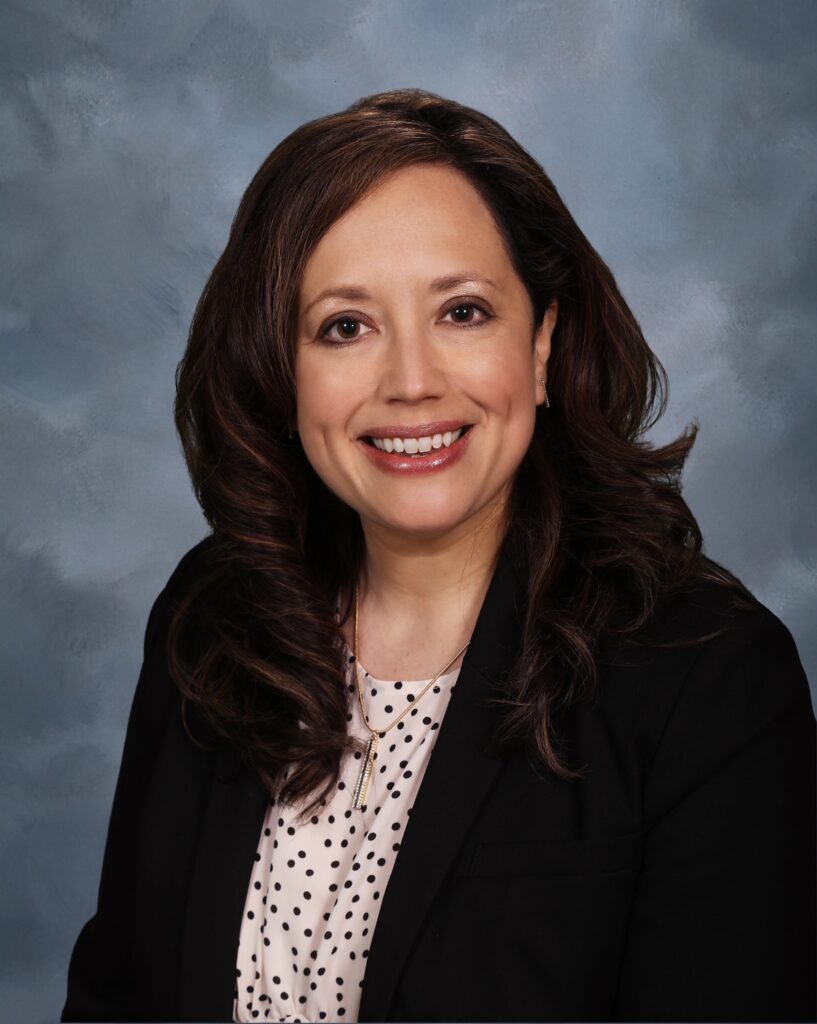
Courtney Fulmer is the President/Chief Executive Officer of SECNY Federal Credit Union in Syracuse, NY. She has worked at this institution for over 20 years in various operations, marketing and business development roles. Courtney initiated youth programming at SECNY, which has been a Money Mammals and an Art of Allowance Project partner for nearly a decade. She is also a colorguard staff instructor for her high school alma mater and serves as Secretary of the New York State Field Band Conference. Courtney received her degree in Public Relations from Syracuse University and resides in Syracuse with her husband and teenage son.
Links (From the Show)
- Connecting with Courtney
- Money-Smart Mentions
- Alison Plaut’s Benzinga article on the “financial illiteracy epidemic”
- Our Adolescent$ “Good Money Habits” video on paying yourself first
- Physicist Richard Feynman
- The Money Mammals picture book, Joe the Monkey Saves for a Goal
Show Notes (Find what’s most interesting to you!)
- Courtney’s path to becoming a CEO and a band mom [3:31]
- How credit unions can combat the “financial illiteracy epidemic” [5:20]
- On education and empathy [8:32]
- Addressing the fine line between providing financial advice and offering psychological help [11:37]
- Courtney’s money-smart journey began by looking at a piggy bank. [13:18]
- How Courtney overcame paralyzing fear to become money-empowered [15:47]
- Courtney’s allowance program focused on tangibility and visibility. [18:02]
- Adjusting an allowance program for mobile technology [21:39]
- Kids are sponges! Don’t underestimate what they can understand. [22:57]
- Can financial literacy fail? [24:18]
- Take Courtney’s Pop Pop’s advice to “pay yourself first.” [28:47]
- Courtney’s colorguard connection influenced her credit union leadership. [32:33]
- The road to money empowerment includes both successes and failures. [34:49]
- “Big Brain Trips” [35:11]
- “Work hard. Be kind. Do good.” [37:22]
- Pop Pop’s “pay yourself first” mantra strikes again! [39:02]
- Courtney’s money-smart recommendations for the young and the young at heart [39:53]
- Connecting with Courtney online [41:13]
- Continuing the credit union cooperative spirit [41:36]
Click here for the full transcript.
If you liked this episode …
Interested in learning more about the psychological support needed on the money-smart journey? During his appearance on The Art of Allowance Podcast, comedic financial speaker Colin Ryan discusses building trust and shared understanding on the road to money empowerment. His comments on thoughtful listening (at 1:09:33) complement Courtney’s own.
Want to dive deeper into the concept of money shame? Personal Finance Columnist and CNBC Personality Kelli Grant explains the roots of money shame in her podcast episode. Tune in at 6:33 as she offers her analysis and provides strategies to overcome this pervasive issue.
Need to talk to your teen, like Courtney, about the safety measures required when managing funds electronically? Author and digital literacy advocate Diana Graber shares basic starting points for keeping information safe online at the 21:14 mark of her podcast appearance. This short video on creating a good password might also be helpful.
Looking for encouragement to spread the credit union cooperative spirit? During her time on The Art of Allowance Podcast, award-winning financial educator (And cheerleader!) Veronica Dangerfield outlines how credit unions are impacting their members’ financial lives for the better. Give her pep talk a listen at 15:51.
Please Subscribe
If you like this podcast, then please leave a review and subscribe to the show. The Art of Allowance Podcast is available on iTunes, Spotify, Podchaser and now Amazon Music. Subscribing is free, and it will help us produce more enriching content for you to enjoy.
Full Transcript
This transcript is from The Art of Allowance Podcast, Episode 77, featuring host John Lanza and guest Courtney Fulmer.
00:00:00,319 [John Lanza]
Hello, and welcome to Episode 77 of The Art of Allowance podcast. I’m your host, John Lanza.
00:00:09,319 [Courtney Fulmer]
And then, you know, when he has questions or he’s unsure, you know, we as parents have always told him, you know, “When in doubt, seek us out.” You know, we want to make sure that he has that, again, kind of psychological comfort in knowing that he can come to his parents if he has questions for something, um, or about something. And we wanna, you know, promote that open communication as much as possible for him so that he can do good things.
00:00:37,319 [John Lanza]
[Music] In this episode, I speak with Courtney Fulmer. We start by discussing the opportunities that credit unions have to combat America’s financial illiteracy epidemic, and the role that these institutions play in providing psychological support to their members. Courtney then shares how her journey teaching her son money smarts evolved, how her family influenced her financial decision-making, and how her color guard experiences impacted her credit union leadership. She also emphasizes the need for empathy and community support when offering financial education. Courtney Fulmer is the president and chief executive officer of SECNY Federal Credit Union in Syracuse, New York. She has worked at this institution for over 20 years in various operations, marketing, and business development roles. Courtney initiated youth programming at SECNY, and we’ve worked together as a Money Mammals and Art of Allowance project partner for nearly a decade. She received her public relations degree from Syracuse University. Courtney is also a color guard staff instructor for her high school alma mater, and serves as secretary of the New York State Field Band Conference. This will come up in our conversation. Courtney resides in Syracuse with her husband and teenage son. I hope you enjoy my conversation with Courtney Fullmer.
00:02:25,919 [John Lanza]
Before we dive directly into the show, I wanted to let you know that I have a free email newsletter I send out every Monday, and it’s a great way to make sure you never miss an episode of The Art of Allowance podcast. You can find out more at the end of today’s conversation, including how to sign up. And now, on with the show. Today, I am speaking with Courtney Fulmer. Welcome, Courtney.
00:02:50,899 [Courtney Fulmer]
Thanks, John.
00:02:52,899 [John Lanza]
Well, first, let me just congratulate you on your fairly recent rise to CEO at SECNY after a nationwide search. Congratulations.
00:03:01,879 [Courtney Fulmer]
Thank you very much. I appreciate it.
00:03:04,039 [John Lanza]
You’re welcome. And you’ve got a really unique perspective, because you’ve been at the credit union for most of your professional career, and, uh, I feel pretty fortunate that we’ve had the chance to work together for a good-sized portion of that time. And I also know you bring an interesting perspective, um, to everything that you do. And I know, because we’ve had… We’ve kind of co-interviewed on things before, and I think you’re gonna bring a lot to this Art of Allowance podcast. So, if you’re ready to get started, Courtney, I’d like you to just tell us a little bit about yourself.
00:03:37,239 [Courtney Fulmer]
Sure. Uh, I am Courtney Fulmer. I am our most recently promoted CEO at SECNY Federal Credit Union here in Syracuse, New York. Uh, you are correct, John. I have been with the credit union… I am currently working on year 24 of my career here. Um, starting out in sort of marketing and community relations, moving my way through operations and digital services, contact center, back office. So, I’ve been very fortunate over my career to be able to experience so many different things and- and work with the incredible people that I’ve worked with. So, you know, I’ve been able to kind of see the ins and outs of the day-to-day, and I am really excited to take that with me as we kind of look bigger picture now in the role that I’m in and continue our growth going forward. I am living in Syracuse, obviously, near our branches. We’ve got six branches, uh, within, uh, Central New York. Uh, I am with my husband and my son. They are huge music lovers, and my son is just starting marching band this year. So I’ve become a band mom too, in addition to CEO. So, I’m really, really excited about that this year as well.
00:04:51,359 [John Lanza]
Well, I think you have some experience being, uh, a band member, and I think you were-
00:04:55,519 [Courtney Fulmer]
Thanks
00:04:55,539 [John Lanza]
… weren’t you in the color guard and the band? [laughs]
00:04:58,199 [Courtney Fulmer]
Yes. Yeah, I’ve run from color guard to dance to drum corps. We’ve done it all in our family, so we’re kind of excited that our son is preparing to start that same journey.
00:05:08,779 [John Lanza]
Very nice. Well, it’s good to get the next generation, uh, involved in that as well. Well, you know, we have… We’ve been working with credit unions for a long time, working with SECNY, um, especially. And, you know, I read this article, uh, that was going around. It’s about this financially… Financial literacy epidemic. Um, this article seems to come out in some form every [laughs] couple of years, you know? And this one, it said 57% of Americans can’t even score 50% on a financial literacy test, um, which is confusing, uh, enough. But the main point being that financial literacy is an issue. So I wanted to ask you, what do you think that credit unions, and specifically SECNY, can do to try to address this epidemic, or have been doing to try this… To address this epidemic?
00:06:00,265 [Courtney Fulmer]
So, you know, I think a lot of times when it comes to talking about tests, you know, we obviously, we have to know a little more about the content, the participants, the demographics. You know, tests always open up question to variables. So really addressing the statistic, you know, requires knowing a little bit more about the makeup and the psychology. Um, and, you know, broadly, like any habit, good or bad, typically, the earlier you… and reinforce the better potential it has to stick. And, uh, really incorporating it into a daily home dynamic is impactful. And depending on your home life or your family support or your lack of, that really requires a deeper look for solutions. And that’s something that we as a credit union recognized early on, that you’ve gotta look a little further than just providing information. You know, we have found in our travels that in some cases students, you know, even in that 12, 13, 14-year-old age range, they’re in situations where they’re also the caretakers of other family members, you know? So we spend time discussing how we as a credit union can support them gaining knowledge, gaining that financial literacy when it might not be readily available or talked about, or even embarrassing maybe to talk about at home. So from our perspective, we have it programmed all the way into our core values, specifically from our roots as an educationally-based institution, to provide not only resources and those physical tools like the Art of Allowance site or the mobile app Zogo, for example. But we also take a lot of time to spend with our staff and talk about the psychological support that’s needed to deliver those meaningful interactions and those impressions to create good habits and outcomes and build on that financial literacy. You know, one of the things we, we’ve had is a, a long-time service initiative internally called We’ll Do It For You. And we encourage members to contact us and our employees, we’ll walk them through products or services or situations or steps to success and address questions, difficulties. Maybe there’s a referral we can make along the way. Uh, and we really look to train them to look for opportunities to provide not only the education, but also the empathy in all of those situations.
00:08:30,985 [John Lanza]
Yeah. Can you go a little bit deeper? ‘Cause I think on the, the psychological support, I think that’s such a big part of money because one of the
00:08:39,285 [John Lanza]
difficult aspects of dealing with money, particularly I would say from a banking perspective, is that you have a lot of people in the banking world that just kind of get money, right? So it’s not easy to get across when you kind of get money, how to get it across, when really the issue for most people tends to be much, it’s much more of a psychological issue. You know, just like dealing with, you know, needs and wants and whether- whether you’re a kid or whether you’re an adult, really understanding the psychology of money and how the psychology of money affects you, which tends to be something you can only learn through experience. So I just wanna know, can you go a little bit deeper on how you can further help folks with that psychological support or things, programs you’ve seen that have worked? Any more on that?
00:09:24,125 [Courtney Fulmer]
Sure. You know, so we do… It can be very simple things. You know, something where maybe someone had come in, they were looking for financing, we can’t provide them the financing at this moment.There’s never just an apology and a denial. But we work with our staff members to really kind of detail out with them what needs to be done so we can change the outcome to this in the future. And we talk a lot about education that includes specific, measurable, realistic steps wherever possible so that they feel empowered to try again. You know, that there is… It’s not a hopeless situation at this particular moment. You know, we talk a lot about shame and how to address that potential feeling and remove that obstacle. And that one of the best ways that we can combat that is simply by being good listeners and listening to understand situations versus listening to respond with whatever the decisions are in that particular process. So as cooperatives, that’s where credit unions really have the best opportunities because we’re, we’re already programmed in our DNA to work together and make conscious efforts. So we really, you know, try to keep continually reminding our staff that, that listening is one of the most key pieces to helping address, you know, this, this perceived statistics, that statistic that, um, you know,
00:10:57,565 [Courtney Fulmer]
there’s, there’s an illiterate- a financial illiteracy epidemic. You know? So really listening and thinking about
00:11:05,465 [Courtney Fulmer]
what is the situation that this person is in? What are the steps that they could take in the situation that they’re in? And is there a referral that we could give them if they need additional help above and beyond what our staff is capable of doing?
00:11:18,625 [John Lanza]
You got into that question I was gonna ask, which is the money shame, which is something we’ve talked about a number of times with various guests on the podcast, is such a real issue that does feel like it could be potentially beyond the, the, uh, the training of the staff. But I actually wanted to ask you, so it sounds like you have done some staff training and how do you help them kind of understand where [laughs] that, that line is with regard to like, “Okay, I can go up to this point and then it’s time to maybe bring in another type of professional to deal with the kind of psychological aspects.” Uh, I’m curious about that.
00:11:55,725 [Courtney Fulmer]
Sure. So, um…We have, uh, some education modules that we have created, um, in our SECNY University program. That’s our internal training program that we use for staff. And really, it’s not even necessarily something that we s- that we spend a ton of time on, but we do things like role play scenarios. Um, you know, we… There are some materials out there that can help you kind of set up situations for them to be able to, to kind of work through together in groups and really kind of play out… There’s obviously a very fine line sometimes between financial advising and then also just providing information. So, depending on the situation or the product or the service, you know, that’s where we can draw on, you know, some of our partners within the credit union. You know, so if there is a, you know, something that maybe start to border around maybe like a legal question or something like that, you know, we’re not providing that advice. But we can give them somewhere to go to maybe find it.
00:12:59,667 [John Lanza]
Yeah. That’s helpful. Yeah. And it’s great because that is one of the things, it’s so… It’s written into kind of credit unions’, uh, principles. And that’s why it sounds like you’re doing a really nice job with that in the community and helping to try to address the financial literacy, uh, issues that are out there. So thank you for that, Courtney. So on The Art of Allowance podcast, I, you know, get to talk to kind of money experts, uh, people who are in the money business like yourself, parents, and often both, like yourself.
00:13:28,467 [Courtney Fulmer]
Hm.
00:13:29,047 [John Lanza]
And what I like to do is just ask them about the kind of money-smart journey. That’s what we really talk about here on The Art of Allowance, uh, Project, the journey that you’ve taken with your kids. And I just wanted to start with, you know, how does the now CEO of a credit union, how do they start [laughs] that money smart journey with their kids? Because I think a lot of people will be thinking, “Well, you’ve got it easy. You know all about money.” Tell us all about this, the beginning of this journey, Courtney.
00:13:57,467 [Courtney Fulmer]
Well, I think really, you know, the kickstart for me going on a money smart journey with children happened before our son was even born. And I remember sitting at my baby shower and my mother and I, it was my aunt, they had put together this beautiful hand-painted piggy bank for my yet unknown that it was a son to be born. Um, and I remember looking at that piggy bank and I admittedly was instantly filled with fear over the reality that I was now not only responsible for my finances, but also the financial future of another human. [laughs] And that was, that was kind of overwhelming. And I, you know, I hadn’t really meant to feel that way, you know, looking at it. But I s- I still to this day remember standing there looking at the table with baby shower gifts and things, and just that piggy bank stuck out so much to me. Um, and, and really being able to kickstart the journey for our son started with the family support. You know, we were very, very fortunate to have a family support system that allowed us from the start to be able to save on expenses like childcare. And have the ability to save and create opportunities-
00:15:12,247 [John Lanza]
Hm
00:15:12,407 [Courtney Fulmer]
… to set him up to be money-smart. And I recognize that that’s definitely a privilege and that’s not something that’s in every person’s situation. But that sole act really allowed us to start to become money-smart on our own as adults and start good habits so that we could then share those successes and those failures with our son through age-appropriate activities. And that in turn has, you know, kind of created some really strong family bonds that, that we don’t take for granted. Um, it started for us far before he was even, uh, in our lives.
00:15:45,567 [John Lanza]
Okay. So, uh, you… There is a big jump there from the fear, the paralyzing fear, which I totally understand-
00:15:52,427 [Courtney Fulmer]
[laughs]
00:15:52,707 [John Lanza]
… that actually is… was part of the kickoff for why we created the Money Mammals-
00:15:57,407 [Courtney Fulmer]
Mm-hmm
00:15:57,447 [John Lanza]
… to kind of feeling empowered. You went from that to that, right?
00:16:01,267 [Courtney Fulmer]
Mm-hmm.
00:16:01,367 [John Lanza]
Now, you gave one reason, which is that you did have that family support and that, that’s a very, very good point.
00:16:08,447 [Courtney Fulmer]
Mm-hmm.
00:16:08,907 [John Lanza]
Will anything else happen in that time where you went from paralyzing fear to more empowered that you can go a little bit deeper on?
00:16:18,967 [Courtney Fulmer]
Well, I mean, truthfully, I think a lot of it was, you know, we were pretty open with our parents when we were starting out as a young married couple and, and, you know, talking about things like savings and investment strategies. And, and up to that point, it really hadn’t been something that was, you know, a loose part of conversation in, in family life, you know, on either of our sides. But, you know, I think that the idea that there was this new tiny human coming into the world really, you know, sparked us to have that comfort level now to be able to ask questions and guidance from, from our parents and, and our family, and what are the things that worked for them and what are the things that didn’t. And, you know, I, I always say my father-in-law is just one of the most amazing people in the universe. And he was such a great wealth of knowledge and was so patient and respectful and, you know, really worked with us to understand, you know, we were both kind of new in the workforce at the time and, and to try to figure out how to look down the line and what are the things that we need to do. And we’ve tried to kind of incorporate some of those things that we learned from him into, you know, how we work with our son, um, and, and, you know, to continue to, to talk about values and, and what is the value of the dollar or the time or the, the thing that it is that you’re trying to do.
00:17:46,287 [John Lanza]
Yeah. Yeah. Uh, that is wonderful. It’s nice having those kind of people who are [laughs] your guides along the journey because, you know, you’re trying to be a guide, you need a guide yourself. I… It’s exactly very similar to the path we’ve taken. Um, are there any… Can you go deeper on, on what your father-in-law provided? Um, or just, like, specific te- uh, maybe tips and techniques or that he helped you with, that you were able to kind of incorporate into your system with your son. Maybe even tell us, like, did you start with an allowance? Of what age was… And, and, and, and how did your father-in-law, um, beyond the obvious, which is just kind of opening your eyes to the importance of kind of seeing the future and how to set yourself up for a successful future with money…
00:18:38,102 [John Lanza]
Ho- how else did that work as you were kinda getting started? And, and d- and feel free to get into the nitty-gritty details. I think those are useful. Uh, those can be useful for parents.
00:18:48,301 [Courtney Fulmer]
Yes. So we did… Um, you know, most of what we, you know, talked about with, you know, our family in the beginning especially was, you know, talking about long-range planning and things like 401[k]s. And, you know, my husband always likes to tell the story that the very first job he ever had, his father was on him about, “You gotta put money in the 401[k].” And, you know, he was like, “I make like $30. Like, how is that even a, you know, gonna-“
00:19:12,441 [John Lanza]
[laughs]
00:19:13,181 [Courtney Fulmer]
You know, “How does this work?” You know? And, but he was so adamant about it that he was like, “Okay, I guess I better listen to my dad,” you know? So, you know, those types of things are what he really helped us with. But then, you know, us kind of being able to start looking at that long range, that long term. You know, we started working with our son, you know, somewhat early. And, uh, you know, of course, we did what I would consider as a, a typical thing to do as, as parents, which is set up an allowance. You know, he had a little chore chart. He had stickers. That kind of stuff really worked for him. But that’s certainly recognizing that that type of system doesn’t necessarily work for every child. But for him, you know, he, he was understanding of that and the tangibility of looking and… or of having that, that reward, that physical thing to look at that said, “Oh, I accomplished something,” uh, worked well for him. You know? So we started out, obviously, with age-appropriate things like, you know,
00:20:08,441 [Courtney Fulmer]
moving your laundry to the laundry room-
00:20:10,961 [John Lanza]
[laughs]
00:20:11,661 [Courtney Fulmer]
… you know, emptying the dishwasher, those types of things. And he really… You know, he, he took onto that pretty quickly. We didn’t have to do a whole lot of support for that. You know, we’ve been very fortunate as parents that he’s, he’s kind of had a self-drive from the beginning to want to do things. Um, and, and that worked very well for him. You know, we definitely employed… You know, right around the time, I think, we started working with The Money Mammals, we… with the share, save, spend jars, it was, uh, you know, very applicable timing for us as parents too, to start introducing those concepts as well to him. And, you know, for his age level at that time, he loved having those jars. It was something he could see. And then, you know, as he’s become older, you know, he certainly still has responsibilities, but we’ve, we’ve kind of stopped the, the, the monetary reward for those now. You know, he’s starting to kind of get the, the idea that, you know, he’s growing up, and, you know, you’re not gonna get paid to empty the dishwasher every time now.
00:21:14,641 [John Lanza]
[laughs]
00:21:14,881 [Courtney Fulmer]
So now, he’s taking those funds and those things that he was able to do as a child. And now, it’s, it’s talking a little bit more complexity with him about what do people do with their money now when they earn money from their, from their jobs. So the, the content changes over time, but the start with those very tangible things, um, you know, creates the impressions.
00:21:37,161 [John Lanza]
Yeah, very nice. Anything else that’s changed now that he is 15? Like, is he, is he working? Is he still saving in different buckets? Uh, or is there anything else that you’ve changed? Can you go any deeper on anything that’s different?
00:21:53,121 [Courtney Fulmer]
Yeah, I mean, certainly, he’s, uh… He is, uh, no stranger to digital technologies. So we, we were… I don’t know. We might’ve been considered mean parents by making him wait till he was, uh, 14 to get a phone. Um, but he didn’t really have any, you know, mobile technology on his own until last year. Uh, so, you know, one of the things that we obviously worked with him on was how to manage his account electronically, because let’s face it, that’s what most people do these days. So, you know, teaching him about, you know, the safety involved and, you know, the, the consequences for when you do certain things. You know, that’s all been more part of the conversation as he’s grown older, and really a big part of it has been about the safety part.
00:22:40,481 [John Lanza]
Yeah. I wouldn’t call you mean parents. I would call you-
00:22:44,181 [Courtney Fulmer]
[laughs]
00:22:44,641 [John Lanza]
… uh, very strong in the wi- [laughs] uh, to be able to, to do that is… It’s very impressive, so…
00:22:52,641 [Courtney Fulmer]
We held out there for a while. [laughs]
00:22:54,181 [John Lanza]
Kudos. Yeah, kudos to you.
00:22:57,381 [John Lanza]
So what’s one area where you think you maybe could have improved or you wish you’d done differently? Is there anything that reflecting, you would change?
00:23:07,561 [Courtney Fulmer]
You know, I think really, for the most part, I, I think we, we created a good path for him. But I think in some cases we might have underestimated him a little bit in his ability to make connections, uh, to values of things. Like, I, I think if I could change one thing, I would, you know, maybe have introduced him to, you know, maybe things like household expense management a little bit earlier. You know, we used trips to, to Costco as opportunities to talk about that type of thing, you know? But I… And I think we waited until he was older, certainly with the intent that he might understand better. But I think sometimes, you know, we underestimate exactly how much our, our younger kids can absorb and truly understand. So, you know, I think from a… you know, from that perspective, maybe we would’ve touched on a couple topics maybe a little bit earlier, because I think he probably could have handled it.
00:23:59,281 [John Lanza]
Yeah, that makes sense. Because they really are just abs- uh, information absorption machines [laughs].
00:24:04,581 [Courtney Fulmer]
Mm-hmm. Absolutely.
00:24:06,161 [John Lanza]
Yeah, that’s…That is so true. Okay, so I wanna ask you, uh, two questions. Uh, the first one is, um… This is a little bit out of, uh, left field. Well, no, I’ll ask you the first one first. So what is an important, kind of, truth about financial literacy or money you learned that very few people agree with you about?
00:24:28,059 [Courtney Fulmer]
Ooh, that’s a good one.
00:24:30,979 [Courtney Fulmer]
You know, I, I, I don’t, I don’t know if I could say that very few people, uh, agree, but I could certainly think of a couple that, you know, would probably raise some eyebrows a little bit. And that is that, you know, I think there’s, there’s some definite truth in the fact that financial literacy itself
00:24:50,500 [Courtney Fulmer]
can often fail. You know, years ago, I remember reading an article that once stated that f-financial literacy is the wrong starting point to success. And that statement really piqued my interest at first because, you know, I had always kind of rolled along with the idea that, you know, the knowledge is power and that’s the most powerful tool. But the more I read on it, you know, it was, it was so logical to connect that financial literacy programming, you know, often addresses the technical aspects of money, but doesn’t always tie in the emotions and the psychology, like we talked about, that go in tandem with all of that. And in reality, you know, our feelings drive our decisions, not necessarily logic. And while we hope that the ultimate success would be calling upon financial literacy content to influence feelings, you know, that’s not always the case. So I, I don’t know if I would say that’s widely disagreed with, especially today with the amount of information that we have. But I, I know I initially raised an eyebrow at that statement before I became more versed and used that information to really kind of switch gears for us as the credit union and add that, you know, that layer of empathy and the concept of listening to understand and not just to respond within our staff education. So I thought that was, you know, definitely a truth that exists out there that maybe not everyone agrees with.
00:26:14,419 [John Lanza]
I think this is a very interesting thread. Are you able to go any deeper on that, Courtney? Because I think you’ve, you’re kind of onto something there.
00:26:22,879 [Courtney Fulmer]
Well, I think, you know, it’s, it’s, again, looking back at the things that are surrounding the knowledge. You know, it’s one thing to have the knowledge and to have access to the tools, and, and all of that is exceptionally important. But you have to look at everybody’s individual situations and, you know, think about, you know, what their drivers are for living their life. You know? We’re ,we’re not… You know, financial literacy can be very technical. And it’ll give you the, you know, the math or, or, you know, the, the things… the science behind certain things. But the human feelings and the, you know, the situations that you’re in, you know, that’s what we use to, to make decisions. You know, whether they’re financial or not. You know, a lot of times we’re, we’re acting on that emotion, um, and that feeling, you know, maybe in the moment. And so while financial literacy, you know, having that technical knowledge and that understanding, is what we hope, you know, gets used to kind of influence the decision. You know, you, you’re, you’re talking about individuals and humans with, with wide and vast experiences or backgrounds or, you know, social, you know, backgrounds. It’s, it, it’s, it’s a… It’s such an interesting field that I think you could really, you know, go very deep down a rabbit hole with this to, uh, you know, to really come out with some, some ideas and, and, uh, some interesting information.
00:27:55,619 [John Lanza]
We can definitely go down some rabbit holes.
00:27:57,599 [Courtney Fulmer]
[laughs]
00:27:57,679 [John Lanza]
And, uh, and I, I appreciate that answer. I think that’s very useful information because, uh, that… The, the psychology of money is such a huge part of it. It’s one thing to understand that, you know, you should, uh, buy low and sell high and that you should stick it out in the midst of, uh, you know, the stock market dropping. But it’s much different when everybody around you is running around like a chicken with their head cut off and you don’t really know what to do. And, uh, I’m sorry about that imagery. I’m not sure that’s the best imagery to use, but hair on fire. How about the hair on fire imagery? [laughs] But you’re getting at a key point here, which is that you have the kind of rational, but… You know, the rational way that we think about money, but really, it’s the psychological aspect that really impacts individuals’ lives, right?
00:28:45,919 [Courtney Fulmer]
Absolutely.
00:28:46,599 [John Lanza]
Yeah. So can you tell me who… It’s… Well, I think you probably, uh, already answered this question, but I will ask it again, which is, who’s the most influential person in your life when it comes to the way that you think ab- think about kind of financial literacy or money smarts? You mentioned your father-in-law, uh, but perhaps there is someone else as well.
00:29:07,979 [Courtney Fulmer]
Yes. So certainly, he, he’s high up there on the list. But my grandfather, he’s always the one… I always call my pop-pop into mind when I’m thinking about any sort of financial decision. He, he was an avid stock market follower when he was alive. And it was, like, the most intensely fun thing for him. And I always just thought that was so interesting because it did not seem interesting to me. And I had no interest in anything like that, especially as a child, you know? But-
00:29:37,719 [John Lanza]
[laughs]
00:29:38,379 [Courtney Fulmer]
… he had such a passion for it. And he was very vocal, um, you know, within our family about talking about investing and making smart decisions. And to think, you know, from his time and the things that he experienced throughout his life, you know, I… One of my favorite phrases is one that he used to say to us all the time as children, and that was to pay yourself first. And that, from his perspective, because he was such an avid stock market follower and, and he was so into the financial world, he was meaning it more from the, the financial perspective…. but, to me, it always sort of expanded into, he’s got something there. You know, with that pay yourself first, you know, not only do I need to think about investing in, you know, financially and thinking about saving and, and, and things for down the road, but also, you know, paying myself first in the form of, you know, time to do things that I love. Rest, you know, taking care o- of my family, but, you know, looking at my health and wellbeing. And he’s probably the most influential person to me with even just that simple statement.
00:30:53,029 [John Lanza]
That’s wonderful, particularly about that paying yourself, uh, via time, because that is-
00:30:58,490 [Courtney Fulmer]
Mm-hmm
00:30:58,510 [John Lanza]
… yeah, that is one resource we can never get back. So that is, uh, that’s very insightful on his part, and I’m glad, uh, that he was able to impart that, um, to you. Is there anything else that…He sounds like a, a, a font of wisdom. Is there any other wisdom that you can, [laughs] can, you can share with us that came from your grandfather?
00:31:18,929 [Courtney Fulmer]
Uh, you know, I could probably go on for hours with stories about him, ’cause he was just… You know, my, my brother and I, when we were younger, my mother, uh, was an a- uh, an Avon representative, and my father, uh, was in marketing for an auto company. And, you know, he traveled a lot for his job, and my mom would have her Avon deliveries to do every other Friday during the week. So we spent a lot of time, we spent a lot of weekends twice a month with my grandparents. And my grandfather was just one of the most patient, kind people that… And all of those things, all of those, those traits and those, those qualities, I think I’ve always strived to be like him, you know, as I, as I’ve grown up and, you know, the wisdom that he really, you know, provided for me was not necessarily in words. He wasn’t really a guy of too many words. But in the actions, you know, supporting our family, you know, taking time to spend with us, you know, with his grandkids, and creating experiences for us. You know, that’s, that’s the wisdom that I’ve taken with me from him, is in what he did, in addition to some of the things that he said.
00:32:30,229 [John Lanza]
Thank you for that. Appreciate it. Okay, before we head into the fast and fun round questions, Courtney-
00:32:37,129 [Courtney Fulmer]
Okay
00:32:37,149 [John Lanza]
… I have to ask you one other question, which is, what did you learn in band or color guard tha thas helped you become the credit union leader you are today?
00:32:47,269 [Courtney Fulmer]
Ooh, that’s a great question. I have learned so many lessons that I’ve brought with me from the marching band and the color guard world to the credit union space. And they might not seem like parallels really, but there, there’s so much, and a lot of it was really under that leadership umbrella. And I have been very, very fortunate to be on staffs in the past with the marching band and the drum corps that had exceptional leaders. And the common thread among all of those was that, that empathetic piece. You know, when you’re working with, with high school kids, you know, day in, day out, and you’re working with m- different personalities and different backgrounds and, and understandings, all of that, unbeknownst to me at the time, was really preparing me to start leading teams from the credit union perspective.
00:33:41,709 [John Lanza]
Hm.
00:33:42,209 [Courtney Fulmer]
Uh, you know, so it, it’s funny that sometimes certain situations will come up and I’m thinking, “Oh my gosh, I remember this on the field in, you know, July of 2001,” and it’s almost the same situation that I was working with with one of the students. You know, so I was very fortunate to be able to look up to the leaders of our staff and their, uh, their traits and their actions and, and use that to kind of drive myself to have those, you know, to emulate those same things. And certainly, you know, from the team building perspective, the marching band and color guard provided such a fantastic experience to really know what it’s like to work together as a team to create that successful performance, to learn from each other’s mistakes. You know, all of those things are things that you carry with you into your adult life, no matter what industry or path you go down.
00:34:39,429 [John Lanza]
Very nice.
00:34:41,169 [John Lanza]
Appreciate that, Courtney. I think now you’re ready for the fast and fun round questions.
00:34:45,749 [Courtney Fulmer]
Bring it on.
00:34:46,349 [John Lanza]
[laughs] All right. Here we go. So what does the term money empowered mean to you?
00:34:53,869 [Courtney Fulmer]
Ooh. So, to me, money empowered means that I have somehow experienced successes and failures, to kind of build my catalog of knowledge and, uh, take actions to make better financial decisions.
00:35:10,269 [John Lanza]
Very nice. What is the best investment of time or money you’ve ever spent on your son?
00:35:16,989 [Courtney Fulmer]
I would say travel, hands down. Um, you know, we have, we have a, a phrase in our house where we call our vacations or our trips, uh, we, we take ourselves off our home screens and we scroll the world.
00:35:29,569 [John Lanza]
[laughs]
00:35:30,209 [Courtney Fulmer]
And that has produced some of the most amazing experiences and memories. And, um, you know, my husband and my son have started this, they call it a big brain trip tradition, and they’re both really into science and music, and they started a couple years ago setting aside time each year for a trip to experience one or both concepts. You know, so for example, a couple years ago, they went to, uh, Washington, DC and they went to see Neil deGrasse Tyson and the musical Hamilton. Um, last year, they went to Houston and visited, uh, the Space Center at NASA, and then they attended Wicked. You know, so this has enhanced my son’s interest and desire to learn about things like music theory and relate to the science concepts he’s exploring in school. So the, the travel has definitely been something that-… you know, we are adamant about doing and opting for those experiences, you know, without too much laser focus on the- the dollars and cents of it, maybe.
00:36:37,239 [John Lanza]
I love that. That’s great. Very, very interesting. I bet that’s- that’s, uh, that is a first, and I appreciate that. I think that’s something that, uh, people are gonna take away from and start doing their big brain trips. I like that.
00:36:49,479 [Courtney Fulmer]
Big brain trips.
00:36:51,039 [John Lanza]
Sounds very, uh, I was just watching a documentary on Richard Feynman, you know, the physicist and-
00:36:55,739 [Courtney Fulmer]
Mm-hmm
00:36:55,759 [John Lanza]
… he was also, he was a bongo player, fairly accomplished bongo player, but became a fairly accomplished drafts person. And they showed some of the pictures that he originally drew, [laughs] which were comically bad, and then how he kind of evolved into a very good drafts person. But he kind of, like, combined all of that. And it’s really all driven by curiosity, which is exactly what it sounds like is driving your son and, uh, and your- and your husband. So, what advice, uh, to your son do you most hope that he’ll heed, in the-
00:37:27,239 [Courtney Fulmer]
You know, I-
00:37:27,519 [John Lanza]
… financial realm?
00:37:28,659 [Courtney Fulmer]
In the financial realm?
00:37:30,479 [John Lanza]
Yeah.
00:37:31,259 [Courtney Fulmer]
Okay.
00:37:31,599 [John Lanza]
Can go in- in any realm. You can go anywhere, anywhere.
00:37:35,219 [Courtney Fulmer]
Yeah. Well, I think, you know, overall life advice, you know, we have another s- you know, kind of three-prong approach in our house, and that’s work hard, be kind, do good, with emphasis on being kind and, you know, trying to really keep in check judgment throughout life. You know, kids have access to a lot of things these days that can certainly help speed up judgment. Um, and the truth is that you never really know what someone might be going through in life. So, you know, that work hard, be kind, do good is always something that we have reinforced in our household. And then, you know, really f- from a financial perspective, you know, I hope that, you know, he continues to, uh, you know, hone in on his understanding of value and that values may vary throughout life. And then, you know, when he has questions or he’s unsure, you know, we as parents have always told him, you know, when in doubt, seek us out. You know, we want to make sure that he has that, again, kind of psychological comfort in knowing that he can come to his parents if he has questions for something, um, or about something. And we wanna, you know, promote that open communication as much as possible for him so that he can do good things.
00:38:54,619 [John Lanza]
Very nice. Open communication across all domains, money, life.
00:38:59,519 [Courtney Fulmer]
Yep. Absolutely.
00:39:00,079 [John Lanza]
[laughs] All makes sense.
00:39:01,879 [John Lanza]
So if you could transmit a message that everyone would see, sky-written, billboard, wherever, what would that message say, Courtney?
00:39:09,959 [Courtney Fulmer]
Well, you know, I think I would have to call back on my- my Pop-Pop again, and I think that pay yourself first would be something I would definitely put as a message to everyone out there. And, you know, a company that- with that understanding that that paying yourself first, you know, is not only, you know, a financial message, but also in, again, that time to rest, time to do things you love, spend time with people who mean something to you. Because that type of investment pays greatly over time for your- y- your health and- and your well-being. So, um, you know, something, I don’t know, that gets said a lot to people today, you know, and making sure that you’re investing in yourself, you know, not only from the financial perspective.
00:39:51,839 [John Lanza]
Wonderful. Thank you. So what is the one Money Smarts book, podcast, or really any other media that you go back to or that you gift the most often?
00:40:02,079 [Courtney Fulmer]
Well, I would say certainly for the young people in my life, and I- I can’t say that I’ve necessarily gifted it, but we always read Joe the Monkey Saves for a Goal when I have the opportunity to- to read with young children or- or- or things like that, or my nieces and nephews. For- for older kids and adults, I would say maybe it’s not necessarily considered a specific Money Smarts item, but I have very frequently gifted like a goals or a gratitude journal on occasions. And I usually start that first page by writing a hope or a wish or a positive thought for them. Uh, you know, I’ve long believed that if you’re intentional, and especially if you write it down, you’re more likely to pursue those positive thoughts and actions. And then, you know, hopefully that in turn influences decision-making and perhaps leading the way to better financial ones along your journey.
00:40:55,419 [John Lanza]
Very nice. Thank you very much, uh, uh, for mentioning the book. That’s very nice of you. And I really like that idea of, uh, kind of kick-starting the gratitude journal as a gift.
00:41:06,719 [Courtney Fulmer]
Mm-hmm.
00:41:06,819 [John Lanza]
That’s a really- really smart way to go about that. Well, thank you, Courtney. This has been wonderful. I wanna ask you, how can people find you, to the extent that you want them to find you, uh, on social media or the web?
00:41:20,379 [Courtney Fulmer]
Sure. So I am on LinkedIn. Certainly, I would welcome anybody to try to get ahold of me there. Um, that’s probably the- the easiest way. If there’s any questions or, uh, anyone would like to chat after the fact, that would be probably the best option.
00:41:35,299 [John Lanza]
Very nice. And is there any action that any of us can take to help you right now?
00:41:40,639 [Courtney Fulmer]
I- I have received so much support from, especially the- the CEO community here in- in New York State over the last couple of months. And I always say that I think credit unions are just such a unique industry, that there’s this true spirit of cooperation among all of them, where I’ve really never seen anything like it, where people are so willing to work with each other, even though they may be competitors in certain markets or places like that, that, you know, it would be my hope that that spirit continues, um, no matter whether it’s, uh, you know, competitors or our vendors and our partners. Um, you know, so just that- that cooperative spirit an- and- and really looking to help us, uh, you know, find solutions or create new ideas, you know, that energy, uh, from- from those partnerships, uh, that’s what I- I hope for, that I think will be the biggest help, uh, especially for me going forward.
00:42:34,939 [John Lanza]
Well, Courtney, I really appreciate you taking the time. It’s fun to talk to someone who you’ve known for a long time and who is- continues to surprise you with these, uh, kind of bombs of wisdom that you’re dropping on us from you and from your Pop-Pop. Uh, it was really, really fun to have this conversation. So thanks for coming on the Art of Allowance podcast.
00:42:57,439 [Courtney Fulmer]
Absolutely. This was so much fun. Thank you.
00:42:59,879 [John Lanza]
[music]
00:43:06,299 [John Lanza]
Thank you for listening to the Art of Allowance podcast. If you want more material to help you raise money-smart kids, subscribe to my email newsletter to get three useful ideas delivered to your inbox every Monday. There’s no cost, and you’ll find out more about the Money Mammals to help get you rpreschool and school-aged kids excited about money smarts, and Adolescent$, to help your tweens and teens build smart money habits. Just go to themoneymammals.com, click on that green button on the bottom-right of the screen, and become a subscriber today. I hope to see you there. And, of course, don’t forget to enjoy the journey.